5% off with code HELLO5
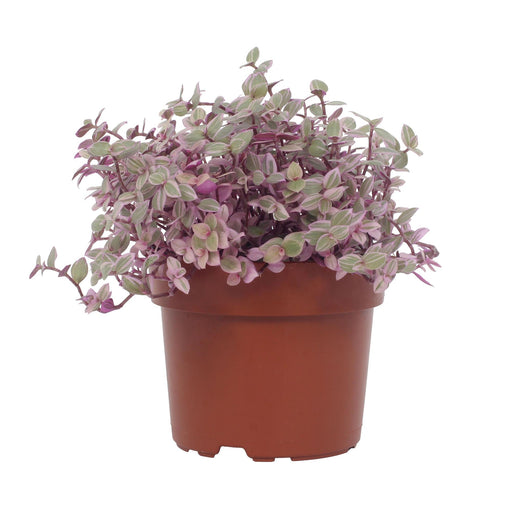
Appearance of the plant The Callisia Repens 'Rosato' is a compact plant with small, round leaves in shades of pink, purple, and green. The leave...
View full details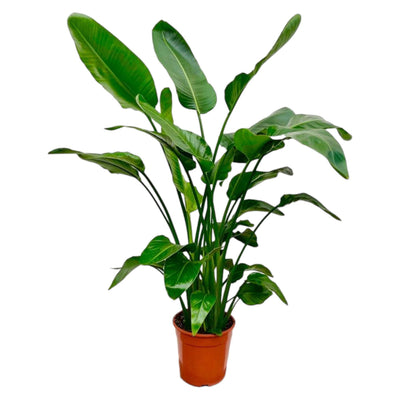 Houseplants
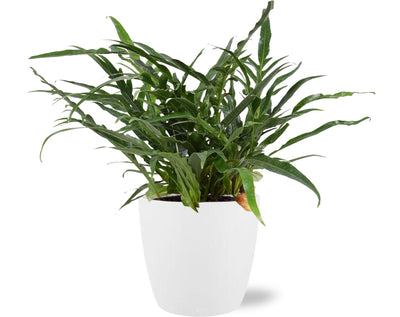 Aglaomorpha
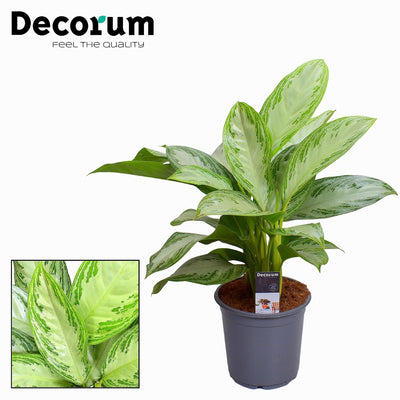 Aglaonema
 Alocasia (Elephant Ear)
 Aloe Vera plant
 Anthurium
 Araucaria (Camerden)
 Areca Palm (Dypsis Lutescens)
 Asparagus Plant
 Aspidistra (Quarter plant)
 Asplenium (Nest fern)
 Banana plant (Musa)
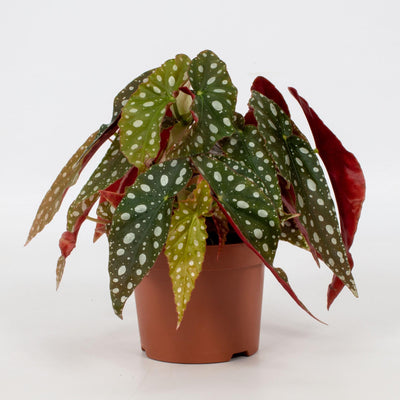 Begonia
 Blue fern (Phlebodium)
 Bromelia
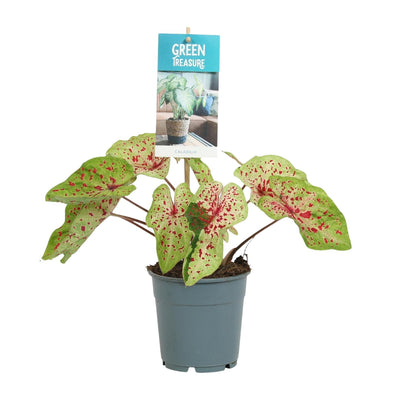 Caladium
 Calathea
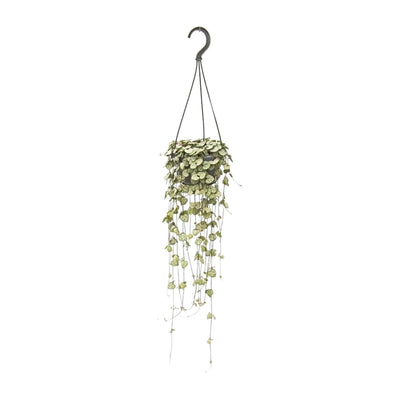 Ceropegia (Lantern plant)
 Chamaedorea Elegans (Mexican Dwarf Palm)
 Chamaerops Humilis (Dwarf Palm)
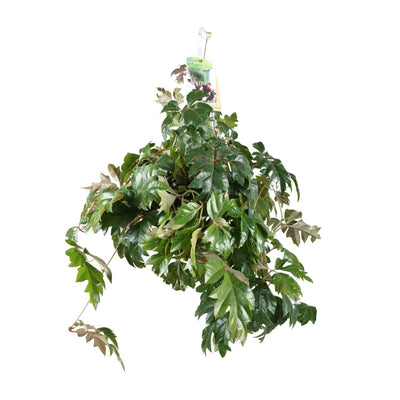 Cissus
 Clusia
 Coffea Arabica (Coffee plant)
 Cordyline
 Crassula
 Croton (Codiaeum)
 Ctenanthe
 Cycas
Cycas
 Dieffenbachia
 Dionaea Muscipula
 Dracaena (Dragon plant)
 Dryopteris
 Echeveria
 Epiphyllum (Sawtooth cactus)
 Epipremnum
 Euphorbia
 Ficus
Ficus Lyrata
Ficus
Ficus Lyrata
 Ficus Benghalensis
 Ficus Benjamina
 Ficus Cyathistipula
 Ficus Elastica
 Ficus Nitida
 Gasteria
 Money tree (Pachira Aquatica)
 Spider plant (Chlorophytum)
Guzmania
Spider plant (Chlorophytum)
Guzmania
 Haworthia
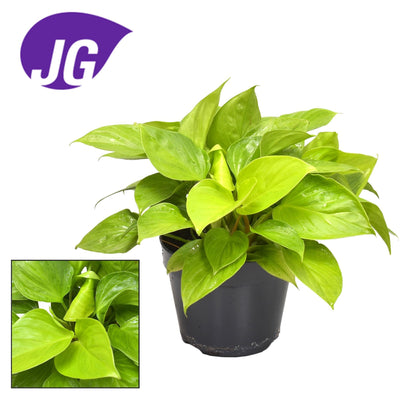 Homolomena
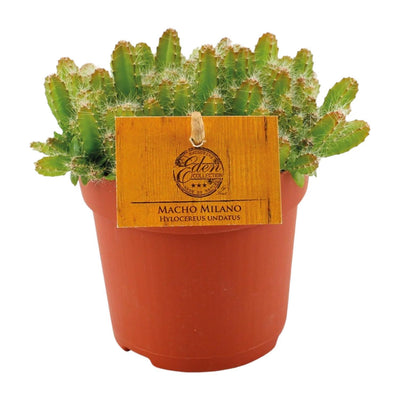 Hylocereus Undatus
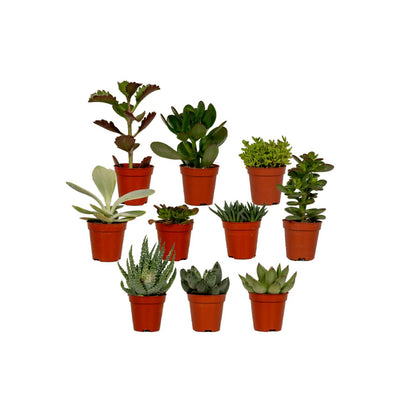 Kalanchoe
 Kentia Palm (Howea)
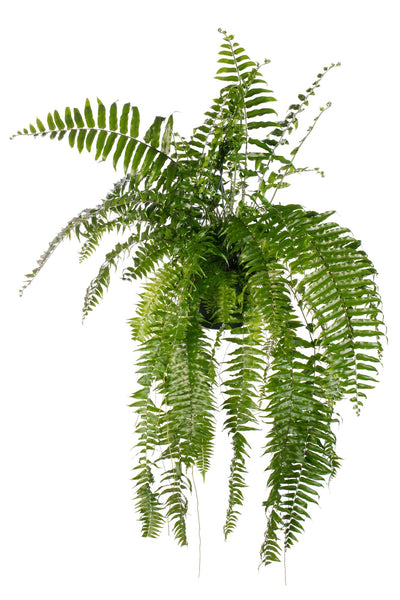 Boston fern (Nephrolepis)
 Peace Lily (Spathiphyllum)
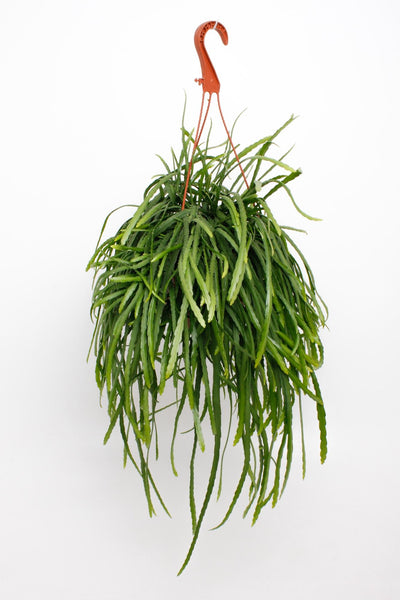 Lepismium
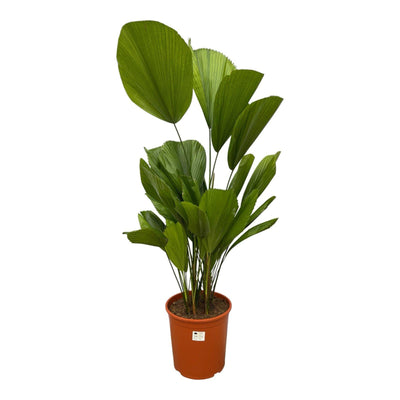 Licuala Grandis (Fan palm)
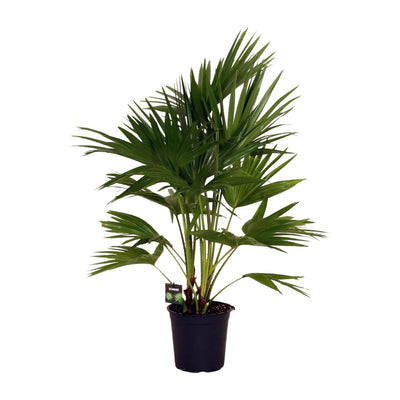 Livistona (Chinese Fan Palm)
 Maranta
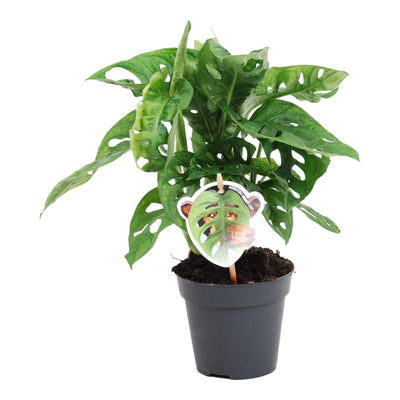 Monstera (Swiss cheese plant)
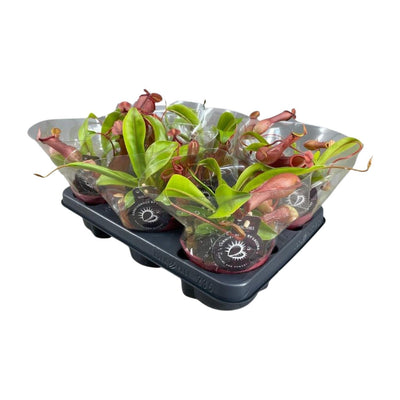 Nepenthes
 Elephant's Foot Plant (Beaucarnea)
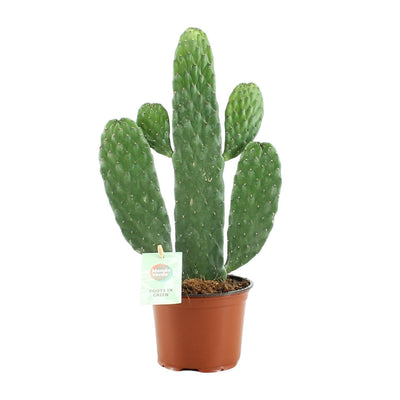 Opuntia (Prickly Pear Cactus - Fig Cactus)
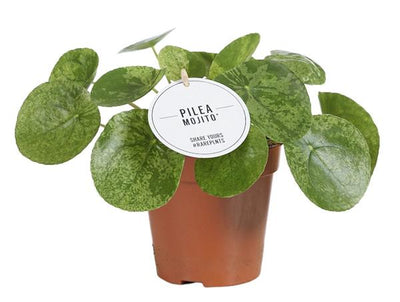 Pancake plant (Pilea)
Strelitzia (Bird of Paradise Plant)
Strelitzia Nicolai
Pancake plant (Pilea)
Strelitzia (Bird of Paradise Plant)
Strelitzia Nicolai
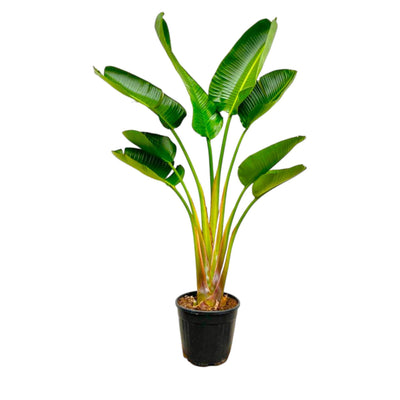 Strelitzia Augusta
 Strelitzia Reginae
 Umbrella plant (Cyperus Alternifolius)
 Peperomia Plant
 Philodendron
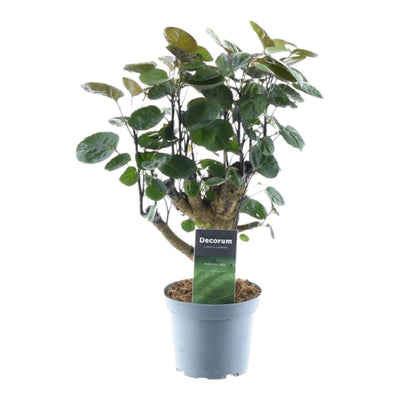 Polyscias Plant
 Phoenix Roebelenii (Dwarf Date Palm)
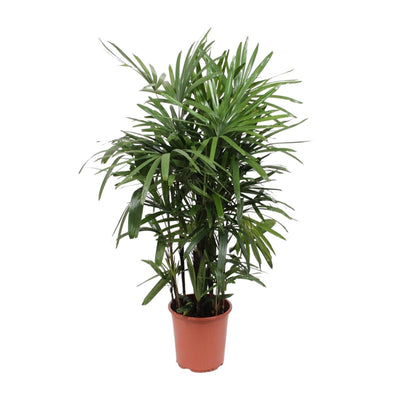 Rhapis (Bamboo palm)
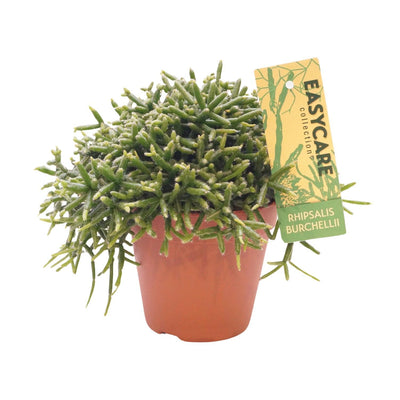 Rhipsalis (Coral cactus)
 Sansevieria (Snake Plant)
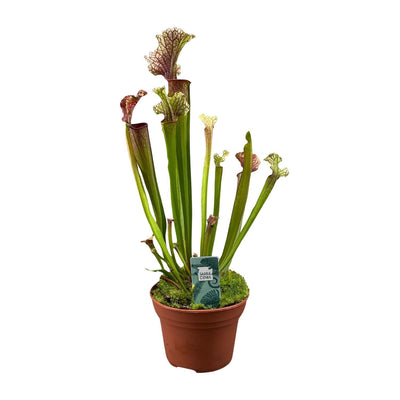 Sarracenia
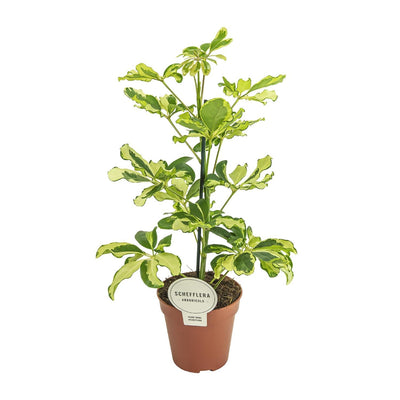 Schefflera
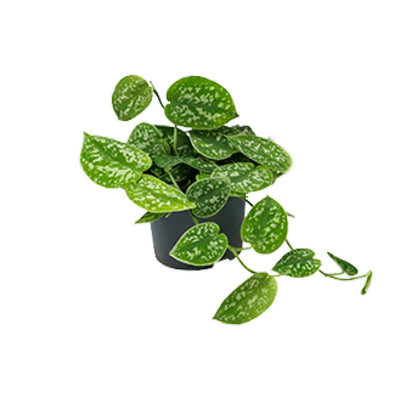 Scindapsus
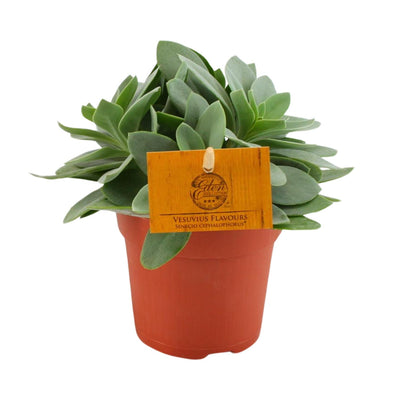 Senecio (Pea plant)
 Syngonium
 Tillandsia
 Tradescantia (Father plant)
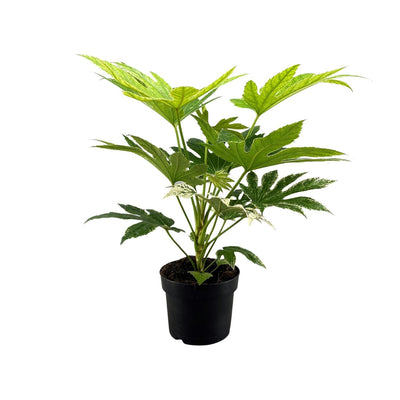 Finger plant (Fatsia Japonica)
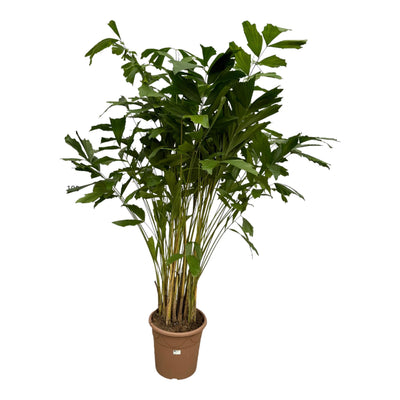 Fish-tail palm (Caryota Mitis)
 Yucca Plant
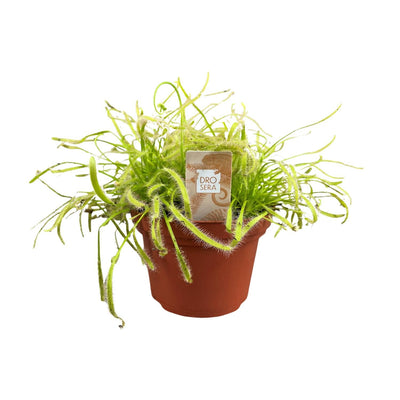 Sundew (Drosera Plant)
 ZZ Plant (Zamioculcas)
The Turtle Plant, also known as Callisia Repens, is a beautiful and low-maintenance houseplant that enriches the interior with its exotic appearance. The striking feature of the plant is the small, leathery leaves that display a scale pattern reminiscent of a turtle's shell. This unique leaf pattern makes the plant not only visually interesting but also an ideal choice for plant lovers looking for something special for their home or office. The leaves vary in color from green to purple on the underside, creating a playful and colorful look. Furthermore, the Turtle Plant has a creeping growth habit, making it excellent for hanging baskets indoors.
The Turtle Plant (Callisia Repens) is generally not toxic to humans or pets. This makes the plant a safe choice for households with children or pets. Unlike some other plants, the Turtle Plant does not contain toxic substances that could be harmful upon contact or consumption. Nevertheless, it is always important to be careful with plants, especially if you have young children or curious pets. Although the plant is not toxic, it is always a good idea to ensure that your pets do not nibble on plants too much, as this can damage the plant and potentially cause digestive problems. If you are looking for a safe and decorative plant for your family, the Turtle Plant is an excellent choice.
The Callisia family consists of various species, but the most popular and well-known is Callisia Repens. This is the species often referred to as the Turtle Plant due to the distinctive pattern of its leaves. However, there are also other varieties and cultivars within the Callisia genus that offer a unique appearance, depending on the gardener's preference. Two of the most popular species within the Callisia family are Callisia Repens and Callisia Turtle.
Calissia Repens is the best-known species within the Callisia family and is often simply called the Turtle Plant. The plant has small, oval leaves that are green with a purple tint on the underside. This creates a beautiful visual contrast that makes it a popular choice for indoor spaces. The plant has a creeping growth habit, making it ideal for hanging baskets or as a ground cover. Callisia Repens is a relatively easy plant to care for and can survive in a wide range of light conditions, although it thrives best in bright, indirect light. It is a great choice for plant lovers looking for a tropical accent in their home, without much hassle.
The Callisia Turtle is a variety within the Callisia Repens genus and has a very recognizable appearance due to the small leaves that display an even more pronounced scale pattern. This makes the plant a particularly visually appealing choice for anyone looking for something special. The leaves of the Callisia Turtle are often greener with purplish tints on the underside and have a dense, compact growth habit. This plant grows quickly and can add a beautiful, tropical atmosphere to any room. Just like the Callisia repens, the Callisia Turtle is relatively easy to care for and requires little maintenance. It is an ideal choice for both beginners and experienced garden enthusiasts who want to add something unique to their plant collection.
The Turtle Plant is essentially a tropical plant that loves warmth and thrives best in a sheltered, warm environment. Although Callisia Repens and other species from this genus can be placed outdoors in the summer, they are sensitive to cold and do not tolerate low temperatures well. Therefore, in spring and summer, the Turtle Plant can be placed outdoors in a sunny or semi-shady spot, for example on a terrace or balcony. Ensure that the plant is not exposed to direct sunlight for extended periods, as this can damage the leaves. However, in autumn and winter, the plant must be brought indoors to prevent cold damage. In colder climates, the Turtle Plant is therefore more suitable as a houseplant, although it can thrive outdoors as long as the temperature does not drop below 10°C.
Caring for the Turtle Plant is simple, which makes this plant a great choice for both novice and experienced garden enthusiasts. The plant has moderate water requirements and must be watered regularly, but it is important to ensure well-draining potting soil to prevent root rot. The plant prefers slightly moist soil, but allow the soil to dry out slightly between waterings. It is better to water the plant a bit more often in the summer and slightly less in the winter, when growth slows down.
Regarding light, the Turtle Plant thrives best in bright, indirect light, but it can also survive in partial shade. Too much direct sunlight can burn the leaves, so make sure to place the plant in a spot where it receives sufficient light, but not in direct sunlight. The plant is relatively hardy and has no special temperature requirements, but ensure the temperature stays above 10°C, as cold can harm the plant.
Do you want to bring the unique charm of the Turtle Plant into your home? At Planten247, you will find beautiful specimens of this low-maintenance houseplant. The Turtle Plant is the perfect choice for anyone looking for an exotic and tropical look for their interior. This plant is easy to care for and adapts well to various light conditions, making it ideal for various rooms in your home. Whether you want to create a new accent in your living room, bedroom, or office, the Turtle Plant is a perfect choice. View our assortment and order the Callisia Repens from Planten247 today for fast delivery and top-quality plants!