
The Sundew, also known as the Drosera, is an enchanting carnivorous plant that excels in both charm and effectiveness. With its shimmering tentacles and elegant leaf rosettes, it is a subtle yet intriguing eye-catcher. This plant lures and catches insects with a sticky substance that sparkles like dew in the sunlight. Whether you are looking for a special houseplant or an exotic addition to your outdoor collection, the Drosera is an excellent choice. Discover our selection and be surprised by the beauty and ingenuity of this special plant.
Sundew (Drosera Plant)
-


Drosera Capensis - Sundew - ↕15cm - Ø12cm
The Drosera Capensis, also known as the candle plant or southern sundew, is a fascinating carnivorous plant that not only adds an exotic touch to your interior but also sparks your interest with its impressive trapping mechanisms. This houseplant is known for its shimmering, sticky tentacles that attract and catch insects. The Drosera Capensis is ideal for plant lovers who want to add a unique and low-maintenance plant to their home. Read on to discover how best to care for this special houseplant! Drosera Capensis Location The Drosera Capensis loves plenty of light but cannot tolerate direct sunlight, which could burn its leaves. Place the plant in a spot with bright, indirect light, such as a windowsill that is not in direct sunlight. A temperature between 20°C and 30°C is ideal for this sundew. The Drosera Capensis thrives in an airy, well-ventilated environment with high humidity. If you live in a drier environment, it may help to place the plant on a tray with water and pebbles or to use a humidifier. Drosera Capensis Air Purification In addition to its impressive ability to catch insects, the Drosera Capensis also contributes to healthier air in your home. The plant's sticky tentacles not only catch pests but also help filter small dust particles and other pollutants from the air. This makes the Drosera Capensis not only a beautiful but also a useful plant for your interior, which can slightly improve air quality. Drosera Capensis Care The Drosera Capensis requires relatively little care, but there are a number of important guidelines to keep the plant healthy. Always use distilled water, rainwater, or demineralized water, as tap water can contain too many minerals that are harmful to the plant. The Drosera Capensis needs constant humidity, so ensure that the soil does not dry out, but also does not become too wet. Remove dried or damaged leaves to keep the plant healthy. Although the Drosera Capensis does not require fertilization, it will thrive in a bright environment and with proper care. Drosera Capensis Product Specifications Height: ±15 cm Diameter: 12 cm Species: Carnivorous plant, South African sundew Location: Light, indirect sun Temperature: 20°C - 30°C Humidity: Minimum 60% Care: Distilled water, keep regularly moist, no fertilization
€18,99
-


Drosera Aliciae - Sundew - ↕15cm - Ø12cm
The Drosera Aliciae, also known as the South African sundew, is a fascinating houseplant that attracts attention not only for its unique appearance but also for its special characteristics. This carnivorous plant is a true wonder of nature and makes an exotic addition to your interior. With its graceful, sticky tentacles, the Drosera Aliciae is a must-have for plant lovers looking for something unique. Read on and discover how best to care for this special plant! Drosera Aliciae Location The Drosera Aliciae needs plenty of light to thrive, but it is important not to place the plant in direct sunlight, as this can burn the leaves. The ideal location is a bright but indirectly lit room. A windowsill with filtered light is perfect. Ensure that the temperature remains between 20°C and 25°C, as the Drosera Aliciae prefers warmer conditions. It is also important to maintain a humidity of at least 60%, as this plant loves a humid environment. Drosera Aliciae Air Purification Although the Drosera Aliciae is primarily known for its ability to catch insects, it also plays a role in purifying the air. The plant's sticky tentacles not only catch pests but can also filter dust particles and small contaminants from the air. This makes the Drosera Aliciae an attractive choice for improving the air quality in your home, in addition to its aesthetic value. Drosera Aliciae Care The Drosera Aliciae has specific care needs that make it important to follow a number of care guidelines. First, always give the plant distilled water, rainwater, or demineralized water. Tap water can contain too many minerals, which are harmful to the plant. Additionally, the plant must be kept moist regularly. You can increase the ambient temperature and humidity by using a humidifier or placing the plant on a tray with water and pebbles. Carefully remove dead leaves to keep the plant healthy. The Drosera Aliciae does not require fertilization, but it can occasionally benefit from extra light and suitable humidity. Drosera Aliciae Product Specifications Height: ±15 cm Diameter: 12 cm Species: Carnivorous plant, South African sundew Location: Light, indirect sun Temperature: 20°C - 25°C Humidity: Minimum 60% Care: Distilled water, keep regularly moist, no fertilization
€21,99 €18,99


- Excellent - 4.3 on Trustpilot
- #1 and largest online plant shop in Europe!
- 24/7 customer service
Interesting categories:
-
 Houseplants
-
 Aglaomorpha
-
 Aglaonema
-
 Alocasia (Elephant Ear)
-
 Aloe Vera plant
-
 Anthurium
-
 Araucaria (Camerden)
-
 Areca Palm (Dypsis Lutescens)
-
 Asparagus Plant
-
 Aspidistra (Quarter plant)
-
 Asplenium (Nest fern)
-
 Banana plant (Musa)
-
 Begonia
-
 Blue fern (Phlebodium)
-
 Bromelia
-
 Caladium
-
 Calathea
-
 Ceropegia (Lantern plant)
-
 Chamaedorea Elegans (Mexican Dwarf Palm)
-
 Chamaerops Humilis (Dwarf Palm)
-
 Cissus
-
 Clusia
-
 Coffea Arabica (Coffee plant)
-
 Cordyline
-
 Crassula
-
 Croton (Codiaeum)
-
 Ctenanthe
-
 Cycas
Cycas
-
 Dieffenbachia
-
 Dionaea Muscipula
-
 Dracaena (Dragon plant)
-
 Dryopteris
-
 Echeveria
-
 Epiphyllum (Sawtooth cactus)
-
 Epipremnum
-
 Euphorbia
-
 Ficus
Ficus
-
Ficus Lyrata
-
 Ficus Benghalensis
-
 Ficus Benjamina
-
 Ficus Cyathistipula
-
 Ficus Elastica
-
 Ficus Nitida
-
 Gasteria
-
 Money tree (Pachira Aquatica)
-
 Spider plant (Chlorophytum)
-
Guzmania
-
 Haworthia
-
 Homolomena
-
 Hylocereus Undatus
-
 Kalanchoe
-
 Kentia Palm (Howea)
-
 Boston fern (Nephrolepis)
-
 Peace Lily (Spathiphyllum)
-
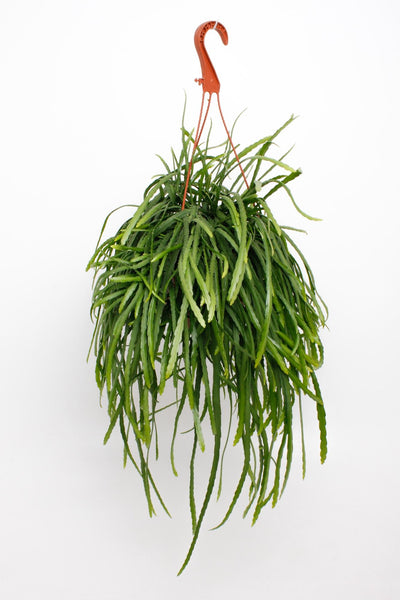 Lepismium
-
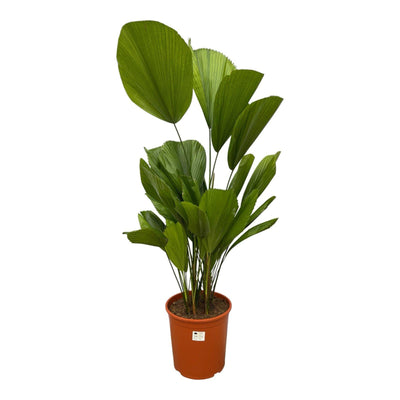 Licuala Grandis (Fan palm)
-
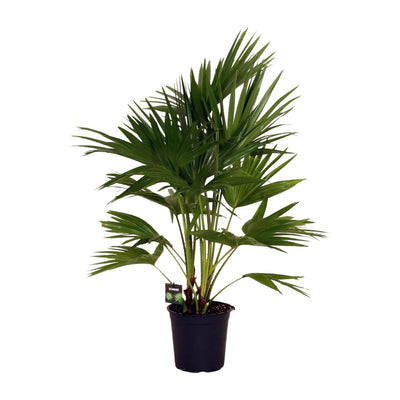 Livistona (Chinese Fan Palm)
-
 Maranta
-
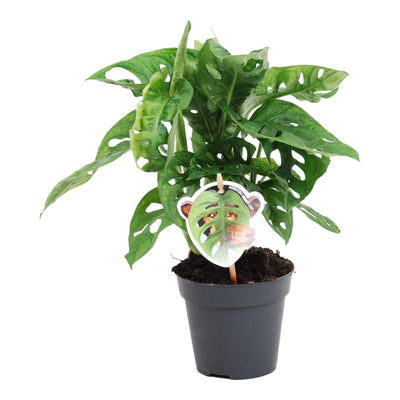 Monstera (Swiss cheese plant)
-
 Nepenthes
-
 Elephant's Foot Plant (Beaucarnea)
-
 Opuntia (Prickly Pear Cactus - Fig Cactus)
-
 Pancake plant (Pilea)
-
 Strelitzia (Bird of Paradise Plant)
-
Strelitzia Nicolai
-
 Strelitzia Augusta
-
 Strelitzia Reginae
-
 Umbrella plant (Cyperus Alternifolius)
-
 Peperomia Plant
-
 Philodendron
-
 Polyscias Plant
-
 Phoenix Roebelenii (Dwarf Date Palm)
-
 Rhapis (Bamboo palm)
-
 Rhipsalis (Coral cactus)
-
 Sansevieria (Snake Plant)
-
 Sarracenia
-
 Schefflera
-
 Turtle plant (Callisia Repens)
-
 Scindapsus
-
 Senecio (Pea plant)
-
 Syngonium
-
 Tillandsia
-
 Tradescantia (Father plant)
-
 Finger plant (Fatsia Japonica)
-
 Fish-tail palm (Caryota Mitis)
-
 Yucca Plant
-
 ZZ Plant (Zamioculcas)


What is a Sundew Plant?
The Sundew, also known by the botanical name Drosera, is a carnivorous plant that captures the imagination worldwide. This plant belongs to the Droseraceae family and occurs naturally on poor, moist soils such as swamps, bogs, and wet heathlands. The unique feature of the Sundew is its ability to catch small insects using sticky glandular hairs on its leaves. These hairs glisten like dewdrops in the sunlight, which not only explains the name but also acts as a lure for prey.
The Drosera is not only functional as a carnivorous plant but also has a particularly decorative value. Its form varies from small rosettes to elongated leaves, depending on the species. More than 200 species are known worldwide, each with its own appearance and habitat. Whether you are looking for an exotic houseplant or a plant to add to your carnivorous collection, the Sundew is a unique and captivating choice. Plant enthusiasts appreciate the Sundew primarily for its graceful appearance and fascinating trapping system.
Sundew Characteristics
The Sundew is not just any plant – it is a biological wonder with a range of interesting characteristics that distinguish it from traditional ornamental plants. One of the most striking features is the trapping system: leaves covered with red or green tentacle-like hairs, each coated with a sticky substance resembling dew. These glistening droplets attract insects, after which the hairs slowly bend around the prey to digest it. What makes this characteristic even more unique is that the entire digestive process is regulated completely by the plant itself, without the help of external organisms.Another interesting aspect is the plant's sensitivity to touch. As soon as an insect touches the hairs, they react with a slow but visible movement to trap the prey. This behavior, also known as thigmonasty, is an example of how plants can respond to external stimuli—something often attributed only to animals. In addition to these characteristics, the Sundew is also known for its adaptability. Although many species thrive in wet areas, there are also variants that have adapted well to our climate.
Furthermore, the plant is relatively compact, making it perfect for smaller spaces, terrariums, or as part of a carnivorous plant collection. In terms of color, the Sundew varies from fresh green to deep red, depending on the species, the light, and the soil conditions. The leaves can be oval, elongated, or even ribbon-shaped. The maintenance level is surprisingly low, provided the right conditions are simulated, such as acidic, nutrient-poor soil and constant humidity. In short, the Sundew is a plant that beautifully combines aesthetics and functionality.
What does the Sundew eat?
The Sundew feeds primarily on small insects and other arthropods. Think of mosquitoes, fruit flies, ants, and even tiny beetles. The plant is equipped with hundreds of glandular hairs on its leaves that secrete a sticky substance. In addition to adhesive, these droplets contain enzymes that slowly break down the captured insect and absorb the nutrients from it. The reason the Sundew catches insects is simple: it grows in nutrient-poor soils that contain hardly any nitrogen or phosphorus. Insects therefore form a necessary source of nutrients, especially nitrogen, which is essential for the plant's growth.
As soon as an insect comes into contact with a leaf, it gets stuck in the sticky substance. The plant responds to this by slowly bending the tentacles towards the center of the leaf, so that the victim becomes completely enclosed. Subsequently, the glands secrete enzymes that digest the insect, after which the plant absorbs the released nutrients. This process typically takes a few hours to a day, depending on the size of the prey.
What makes the Sundew particularly attractive is that it is also a natural insect exterminator indoors. Especially during the summer months, when fruit flies and gnats are more common, the Drosera can contribute to an insect-free environment in a natural way. Please note: it is not a substitute for a flycatcher, but rather a beautiful addition.
Can a Drosera Be Keeped Outdoors?
Yes, a Drosera can certainly be kept outdoors – provided you take the right conditions into account. Not every species is suitable for outdoor use, but many native or cold-hardy species, such as Drosera rotundifolia or Drosera anglica, do very well in the garden or on a balcony. What is essential for outdoor placement is acidic, moist soil and sufficient light. You can also keep Drosera outdoors in pots or tubs, as long as there is a saucer underneath that is constantly filled with water. Place the pots in a sunny spot, sheltered from strong winds, and ensure they do not dry out. During the growing season, which runs from spring to early autumn, Sundews placed outdoors will often perform better than those kept indoors.Is Drosera Winter Hardy?
Whether a Drosera is winter hardy depends heavily on the species. Some species are tropical and must be overwintered indoors, while others – especially the native European varieties – are perfectly resistant to frost. Species such as Drosera Rotundifolia and Drosera intermedia are fully winter-hardy and can tolerate temperatures as low as -15°C, provided they are kept in a moist, sheltered environment. These plants enter dormancy, during which the above-ground parts die back while the plant remains alive underground. They sprout again in the spring. Tropical species such as Drosera Capensis or Drosera Adelae, on the other hand, are not at all winter-hardy and must be kept indoors as soon as the temperature drops below 10°C. These species love warm, humid conditions and require plenty of light to grow well. For these plants, we recommend a spot by a window or the use of a grow light during the winter months. Sundew Care Caring for the Sundew revolves mainly around mimicking its natural habitat: wet, light, and nutrient-poor. The most important thing to remember is that the plant does not tolerate ordinary potting soil. Always use a special mixture of living sphagnum moss, peat, or a combination of peat and perlite. This creates an acidic, airy soil that is ideal for carnivorous plants. It is best to water with rainwater or demineralized water. Hard tap water suffocates the roots and eventually leads to the death of the plant. Place the pot on a saucer of water so that the soil remains constantly moist. Never let the soil dry out! As for light, the Sundew loves plenty of sunlight – at least 5 hours a day – but tropical species may benefit from slightly more filtered light. Fertilizing is absolutely unnecessary – and even harmful – for Droseras. They obtain their nutrition from the insects they catch. In winter, many species enter a dormant period during which growth stops. Leave the plant alone then and slightly reduce watering, but never let the soil dry out completely. Repotting is preferably done in the spring, once every 2 to 3 years, to prevent soil salinization. Planten247 also offers specially formulated potting soil mixes and accessories for optimal Sundew care.Buy Sundew
Do you want to buy a Drosera plant? You have come to the right place at Planten247. Every plant is grown with care and delivered with clear care instructions, so you can get off to a good start immediately. We select our plants based on health, vitality, and quality. Thanks to our fast shipping and sustainable packaging, you can be sure that your Drosera arrives at your home safely and in top condition. Are you new to the world of carnivorous plants? No problem – you will find extensive blogs and tips on our website. You can also contact our customer service for personal advice on which Sundew best suits your situation. Choose quality, expertise, and service: buy your Sundew today at Planten247 and bring a piece of natural wonder into your home or garden!
- #1 and largest online plant shop in Europe!
- Excellent - 4.3 on Trustpilot
- 24/7 customer service