5% off with code HELLO5
Peperomia is a compact houseplant known for its diverse, colorful leaves and easy care. This plant thrives in bright, indirect light and requires little water. Perfect for small spaces such as windowsills and desks, Peperomia adds a touch of greenery without requiring much maintenance.
Product appearance The Peperomia Raindrop has striking, teardrop-shaped leaves with a glossy, fresh green surface. The plant comes in a modern, ma...
View full detailsProduct appearance The Peperomia Raindrop stands out with its large, teardrop-shaped leaves featuring a fresh green color and a glossy texture. Th...
View full detailsPeperomia is a popular houseplant known for its attractive leaves and easy care. With its compact growth habits and variety of leaf shapes, it is a...
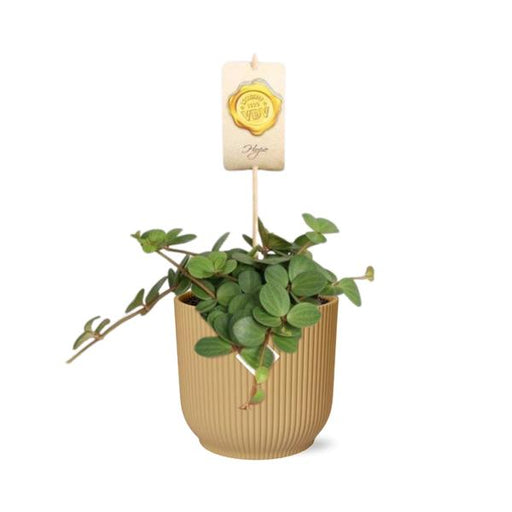
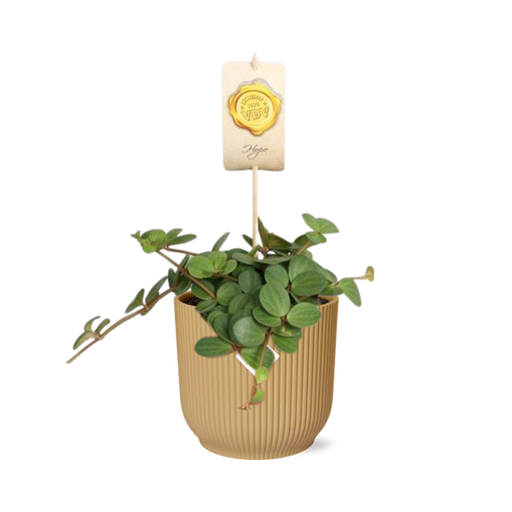
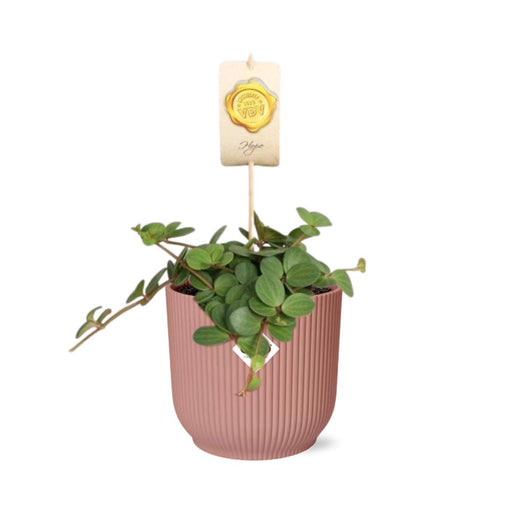
View full detailsThis is truly a unique specimen! The leaves of this Peperomia graveolens are green on the top and red on the underside. The Peperomia graveolens co...
View full detailsThis is truly a unique specimen! The leaves of this Peperomia graveolens are green on the top and red on the underside. The Peperomia graveolens co...
View full detailsPeperomia is a popular houseplant known for its attractive leaves and easy care. This versatile plant originates from tropical and subtropical regi...
View full details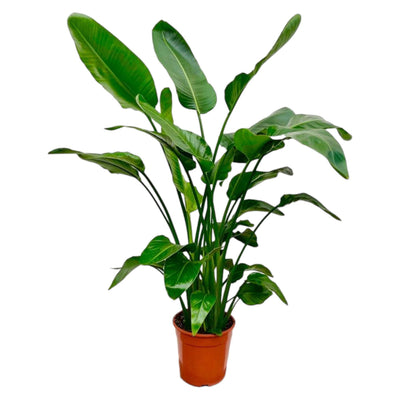 Houseplants
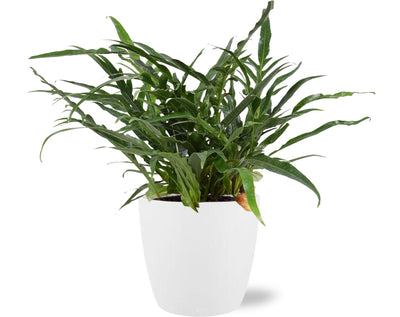 Aglaomorpha
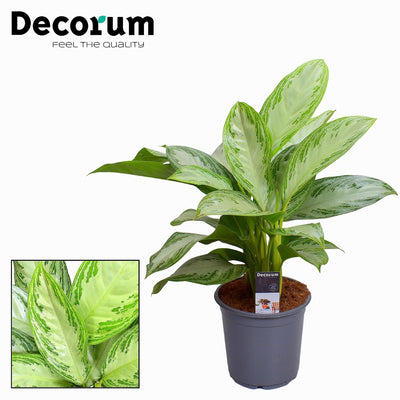 Aglaonema
 Alocasia (Elephant Ear)
 Aloe Vera plant
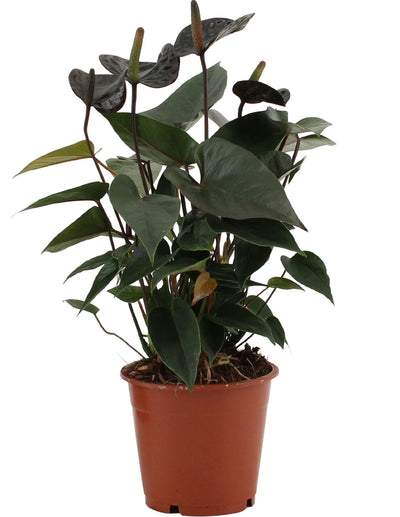 Anthurium
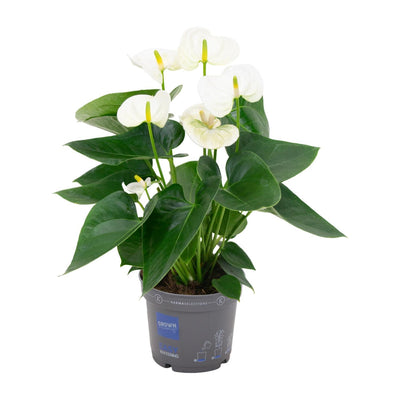 Araucaria (Camerden)
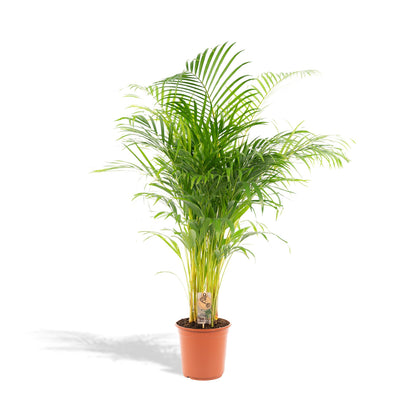 Areca Palm (Dypsis Lutescens)
 Asparagus Plant
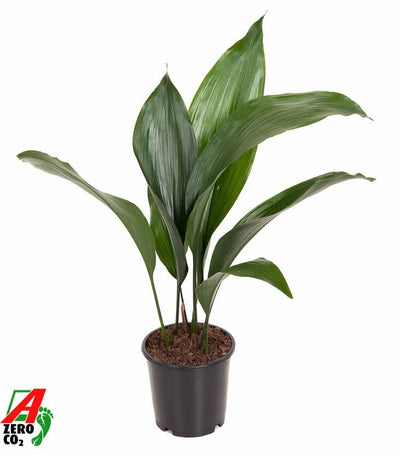 Aspidistra (Quarter plant)
 Asplenium (Nest fern)
 Banana plant (Musa)
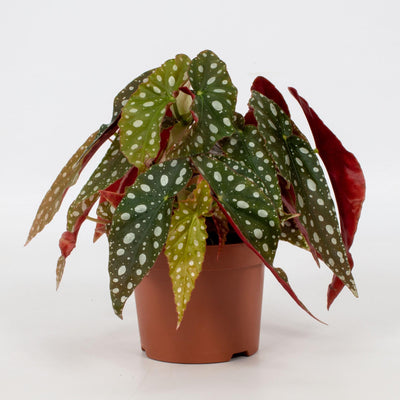 Begonia
 Blue fern (Phlebodium)
 Bromelia
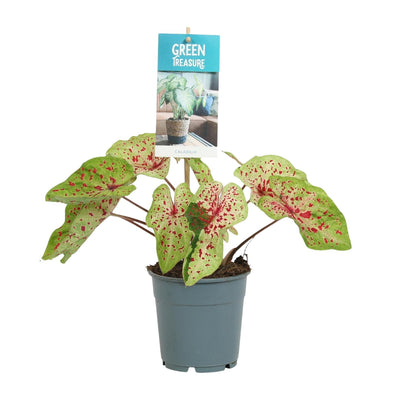 Caladium
 Calathea
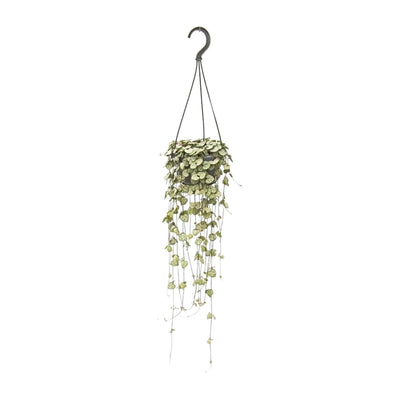 Ceropegia (Lantern plant)
 Chamaedorea Elegans (Mexican Dwarf Palm)
 Chamaerops Humilis (Dwarf Palm)
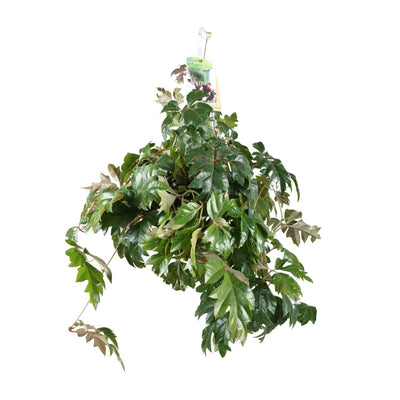 Cissus
 Clusia
 Coffea Arabica (Coffee plant)
 Cordyline
 Crassula
 Croton (Codiaeum)
 Ctenanthe
 Cycas
Cycas
 Dieffenbachia
 Dionaea Muscipula
 Dracaena (Dragon plant)
 Dryopteris
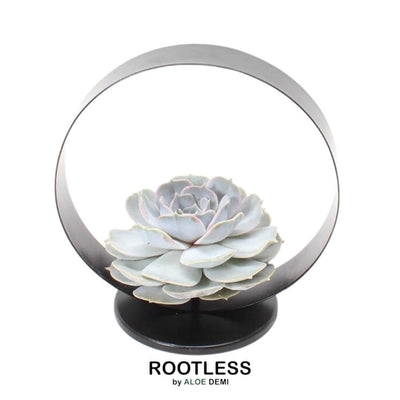 Echeveria
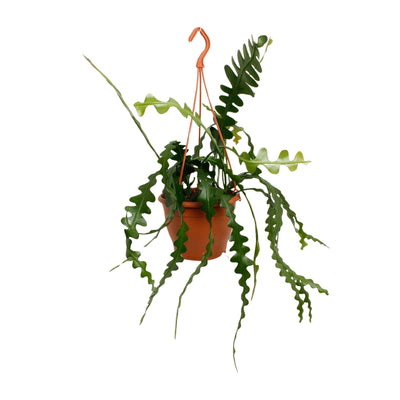 Epiphyllum (Sawtooth cactus)
 Epipremnum
 Euphorbia
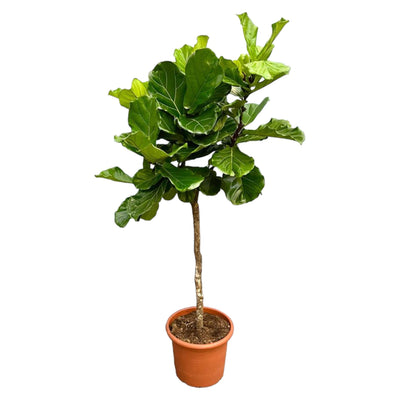 Ficus
Ficus Lyrata
Ficus
Ficus Lyrata
 Ficus Benghalensis
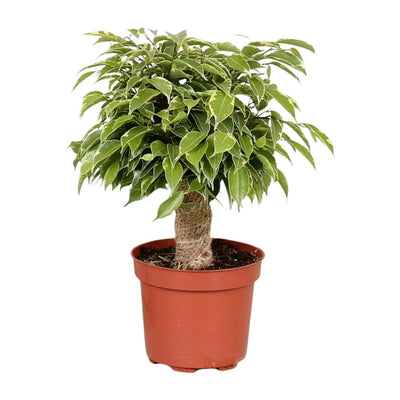 Ficus Benjamina
 Ficus Cyathistipula
 Ficus Elastica
 Ficus Nitida
 Gasteria
 Money tree (Pachira Aquatica)
 Spider plant (Chlorophytum)
Guzmania
Spider plant (Chlorophytum)
Guzmania
 Haworthia
 Homolomena
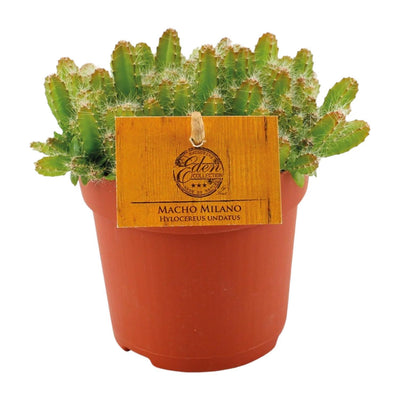 Hylocereus Undatus
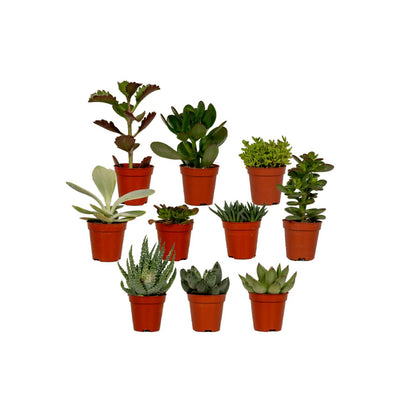 Kalanchoe
 Kentia Palm (Howea)
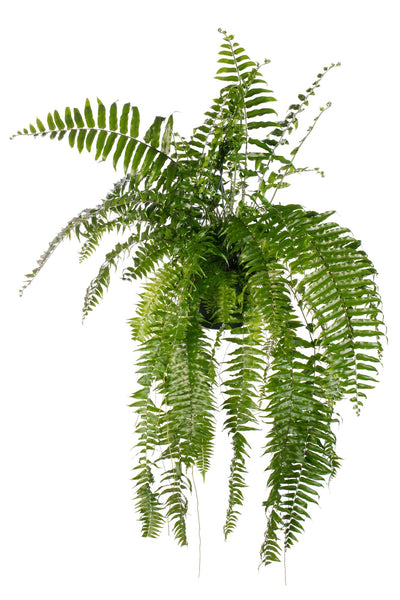 Boston fern (Nephrolepis)
 Peace Lily (Spathiphyllum)
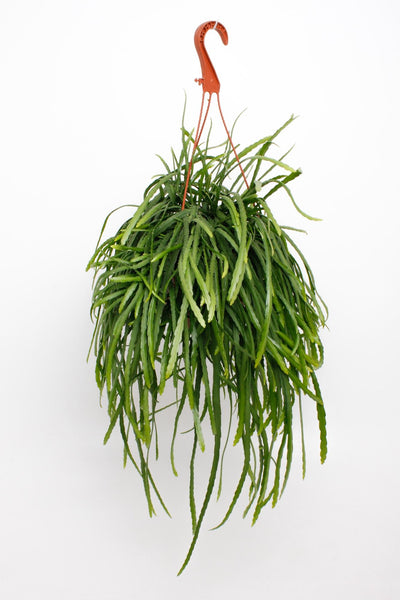 Lepismium
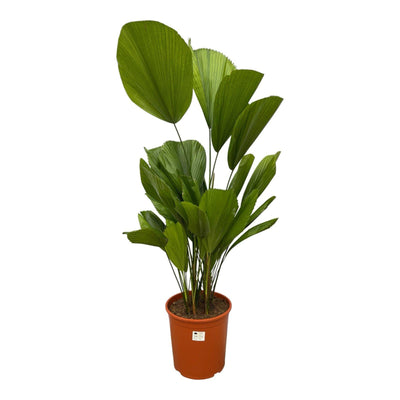 Licuala Grandis (Fan palm)
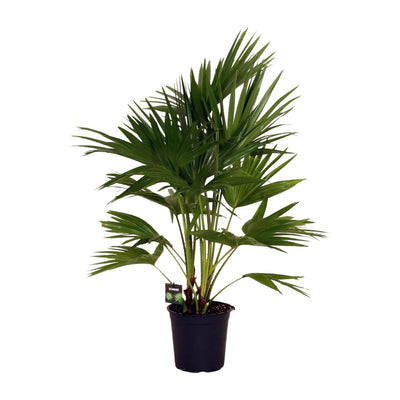 Livistona (Chinese Fan Palm)
 Maranta
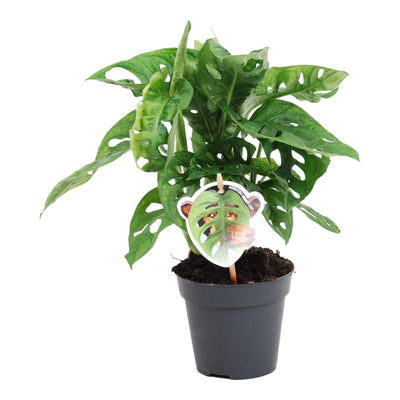 Monstera (Swiss cheese plant)
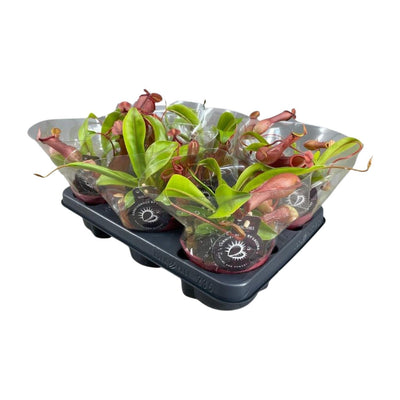 Nepenthes
 Elephant's Foot Plant (Beaucarnea)
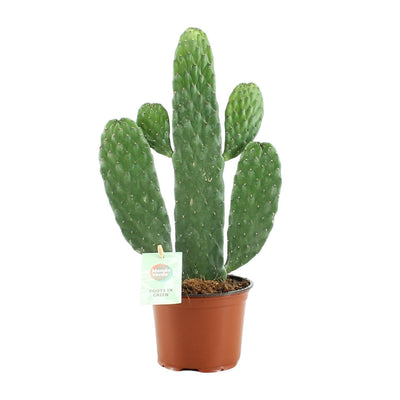 Opuntia (Prickly Pear Cactus - Fig Cactus)
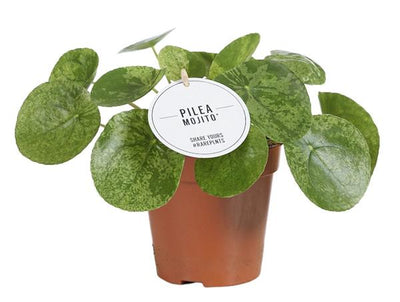 Pancake plant (Pilea)
Strelitzia (Bird of Paradise Plant)
Strelitzia Nicolai
Pancake plant (Pilea)
Strelitzia (Bird of Paradise Plant)
Strelitzia Nicolai
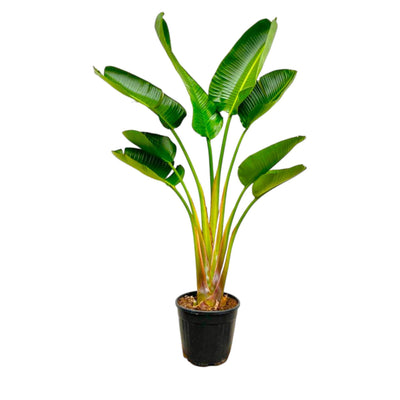 Strelitzia Augusta
 Strelitzia Reginae
 Umbrella plant (Cyperus Alternifolius)
 Philodendron
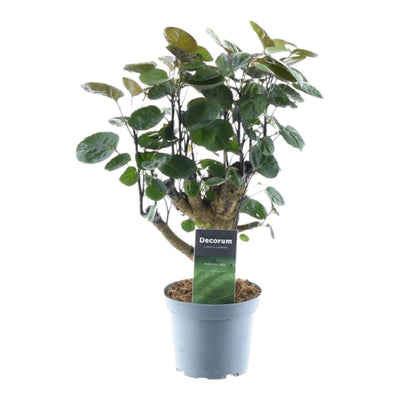 Polyscias Plant
 Phoenix Roebelenii (Dwarf Date Palm)
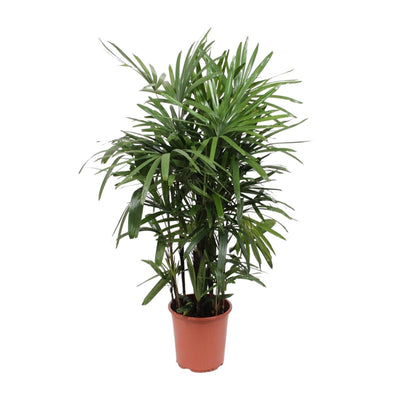 Rhapis (Bamboo palm)
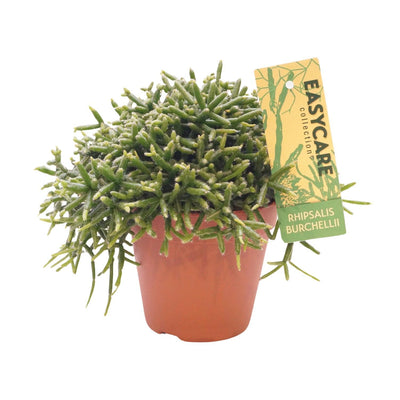 Rhipsalis (Coral cactus)
 Sansevieria (Snake Plant)
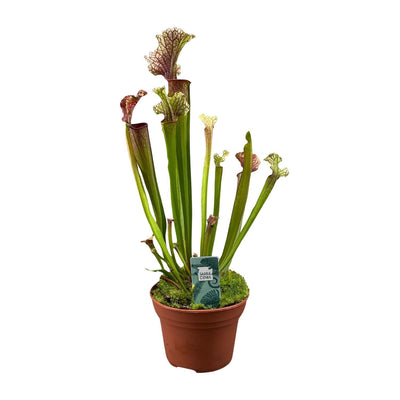 Sarracenia
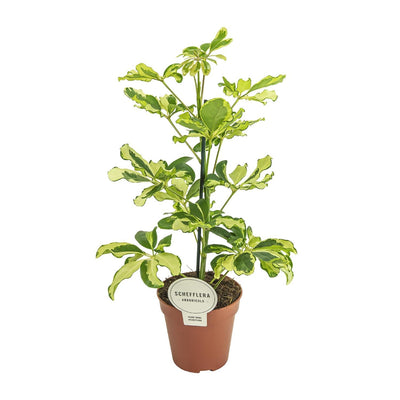 Schefflera
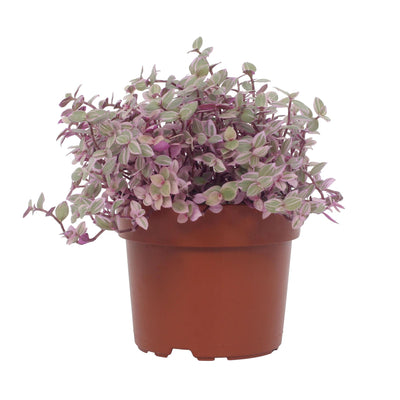 Turtle plant (Callisia Repens)
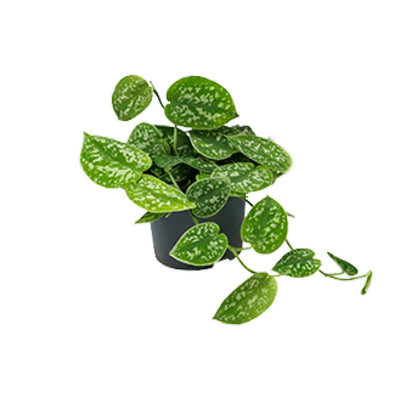 Scindapsus
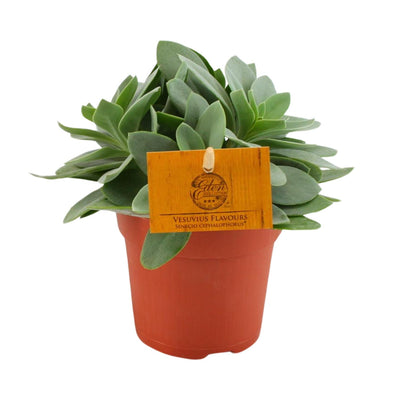 Senecio (Pea plant)
 Syngonium
 Tillandsia
 Tradescantia (Father plant)
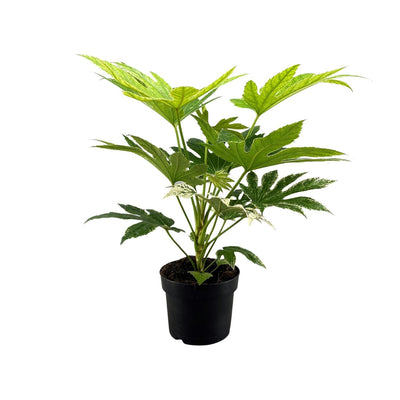 Finger plant (Fatsia Japonica)
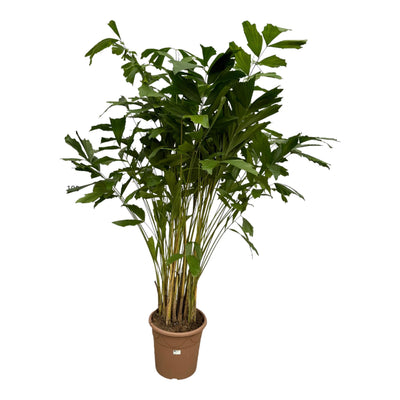 Fish-tail palm (Caryota Mitis)
 Yucca Plant
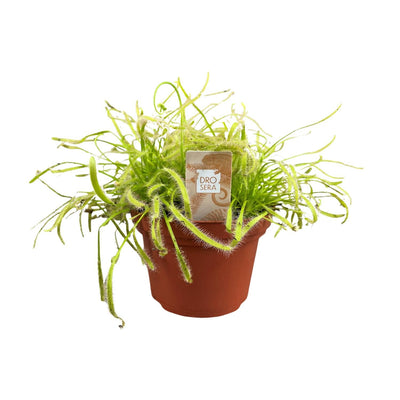 Sundew (Drosera Plant)
 ZZ Plant (Zamioculcas)
The Peperomia is a versatile and decorative houseplant that originates from tropical and subtropical regions worldwide. With more than a thousand different species, the Peperomia offers enormous diversity in leaf shapes, colors, and textures. The plant is known for its compact growth and striking leaves, which can vary from smooth and glossy to ribbed and variegated. This makes it ideal for lovers of unusual plants.
Peperomias belong to the Piperaceae family and are related to the pepper plant. Although they often remain small in size, they are a great success in both modern and classic interiors. Due to their low-maintenance nature and unique appearance, they are suitable for both novice plant enthusiasts and experienced collectors. Whether you are looking for a striking eye-catcher or a subtle addition to your plant collection, the Peperomia always offers a suitable solution.
Why choose a Peperomia as a houseplant? These plants have many advantages. First of all, they are very low-maintenance. They require little water and need little light, making them ideal for offices, bedrooms, and other spaces with limited natural lighting. Moreover, Peperomias are relatively small, which means they take up little space and are perfect for windowsills, shelves, or small tables.
Another major advantage is their air-purifying effect. Peperomias help reduce harmful substances in the air, contributing to a healthier living environment. Their versatility and durability make them an excellent choice for anyone looking for a beautiful, functional, and easy-to-maintain plant. Additionally, they are non-toxic to pets, which is a major plus for households with cats or dogs.
Using synonyms is not only useful when buying or searching for information about the plant, but can also prevent confusion. For example, if you are looking for a "Radiator plant", you know that it is likely a Peperomia. This makes it easier to find the right plant that suits your needs and interior.
There are countless Peperomia species, each with its own unique characteristics. Some popular species include the Peperomia Argyreia, also known as the Watermelon Peperomia because of its leaves resembling a watermelon. The Peperomia Obtusifolia has sturdy, glossy leaves and is known as the Baby Rubber Plant. Other beloved species are the Peperomia Caperata, with wrinkled leaves, and the Peperomia Prostrata, also called the String of Turtles because of its small, turtle-like leaves.
The wide variety of species makes it possible to find a Peperomia that perfectly suits your personal taste and interior. Whether you like large and striking or small and subtle, there is always a Peperomia that meets your expectations. Explore the different species and discover which one suits you best.
Integrating a Peperomia into your interior is simple thanks to the versatility of this plant. Due to its compact size and unique leaves, it fits effortlessly into various interior styles, from modern to bohemian. Place a Peperomia in a striking pot to make a statement, or combine different varieties for a lush and varied effect.
For a minimalist look, you can choose a single Peperomia in a sleek, neutral pot. For a more playful look, you can mix and match with colorful pots and other plants. Use trailing varieties such as the Peperomia Prostrata to add height and depth to your space. Whatever your style, the Peperomia can be a fresh and stylish addition to any room.
Do you want to buy a Peperomia? At Planten247, you will find an extensive range of Peperomia plants in various types and sizes. Whether you are looking for a compact table plant or a larger eye-catcher, we have the perfect Peperomia for you. All our plants are carefully selected and delivered directly to your home, ensuring quality and freshness.
Visit our webshop and discover the wide range of Peperomias. From beginners to experienced plant lovers, at Planten247 you will always find a plant that suits you. Order today and give your interior a green boost with a beautiful Peperomia.