5% off with code HELLO5
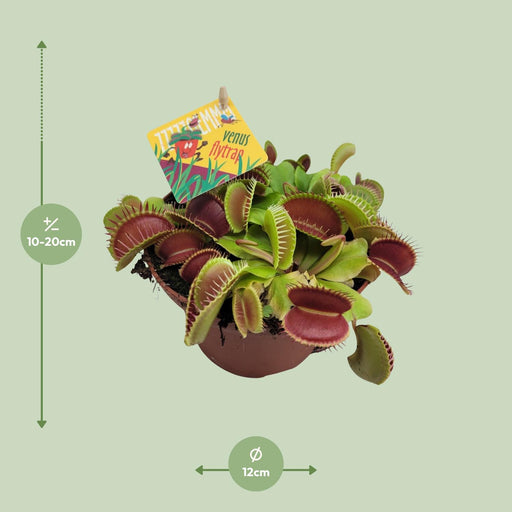
1. This Common Flycatcher comes at a size of 12 cm, making for a compact and manageable plant for your space. 2. The current height of this Common ...
View full details Houseplants
 Aglaomorpha
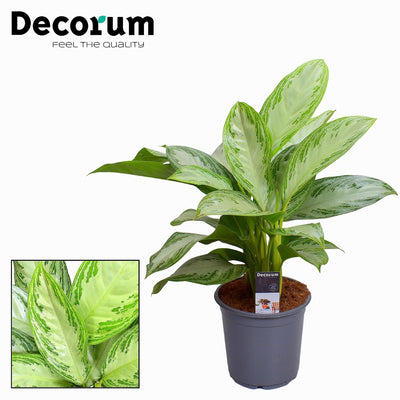 Aglaonema
 Alocasia (Elephant Ear)
 Aloe Vera plant
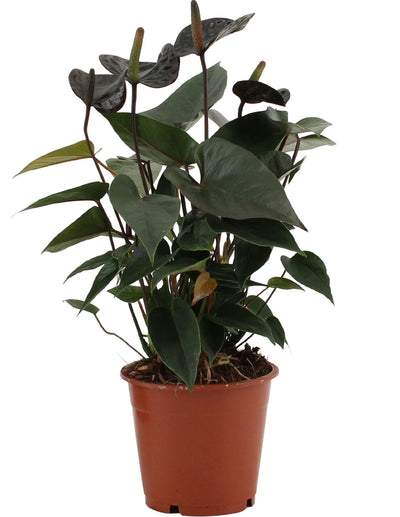 Anthurium
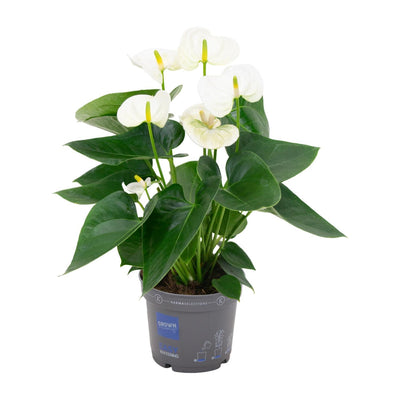 Araucaria (Camerden)
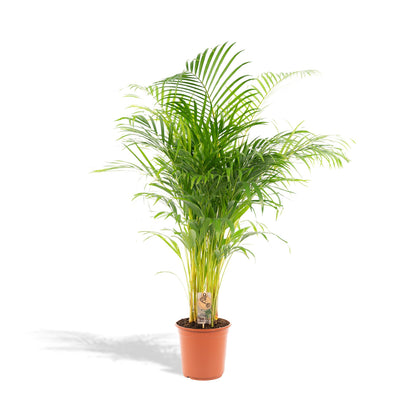 Areca Palm (Dypsis Lutescens)
 Asparagus Plant
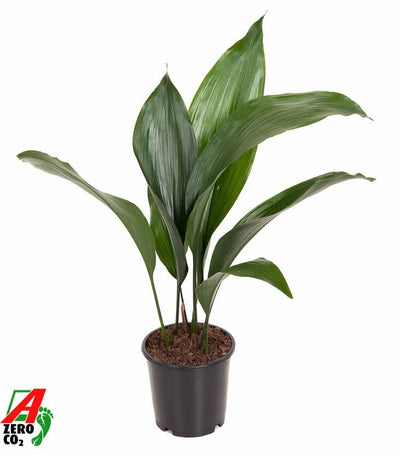 Aspidistra (Quarter plant)
 Asplenium (Nest fern)
 Banana plant (Musa)
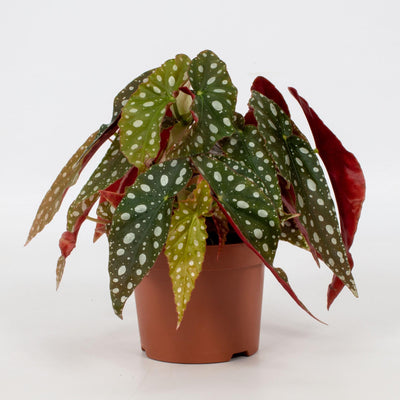 Begonia
 Blue fern (Phlebodium)
 Bromelia
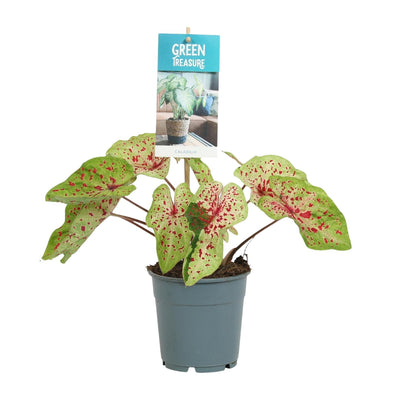 Caladium
 Calathea
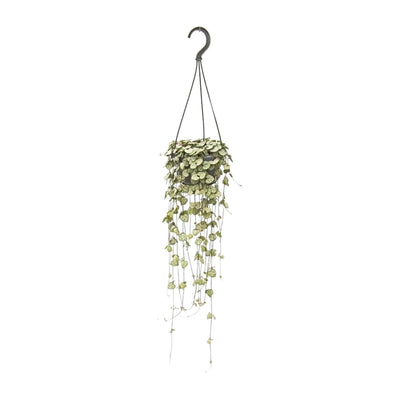 Ceropegia (Lantern plant)
 Chamaedorea Elegans (Mexican Dwarf Palm)
 Chamaerops Humilis (Dwarf Palm)
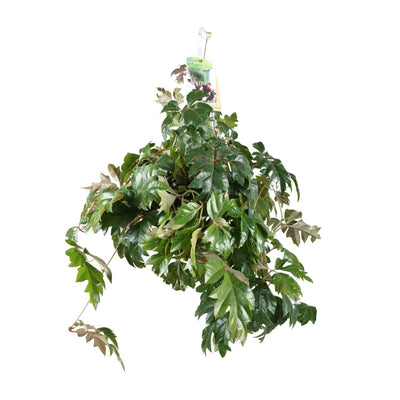 Cissus
 Clusia
 Coffea Arabica (Coffee plant)
 Cordyline
 Crassula
 Croton (Codiaeum)
 Ctenanthe
 Cycas
Cycas
 Dieffenbachia
 Dracaena (Dragon plant)
 Dryopteris
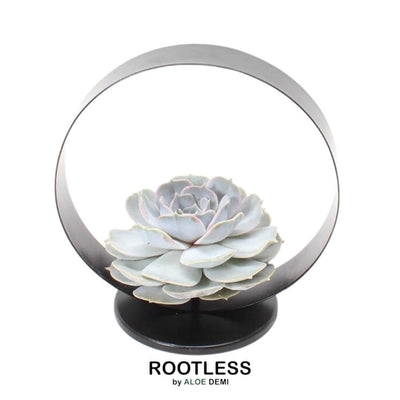 Echeveria
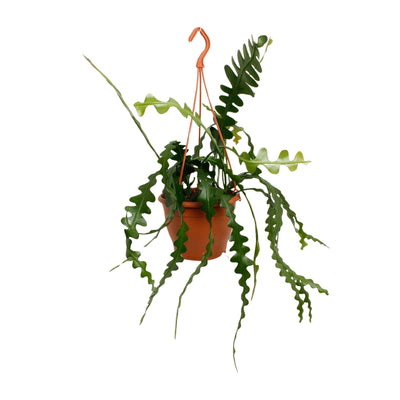 Epiphyllum (Sawtooth cactus)
 Epipremnum
 Euphorbia
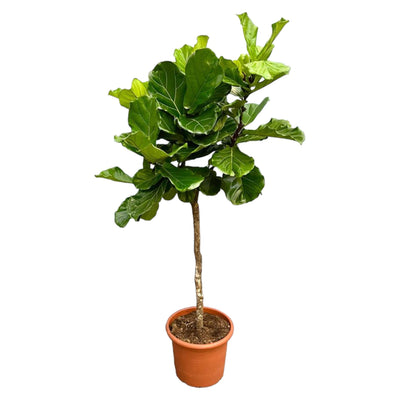 Ficus
Ficus Lyrata
Ficus
Ficus Lyrata
 Ficus Benghalensis
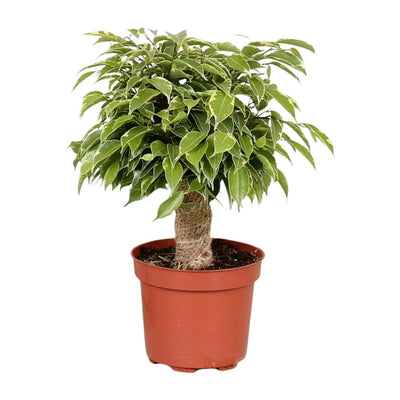 Ficus Benjamina
 Ficus Cyathistipula
 Ficus Elastica
 Ficus Nitida
 Gasteria
 Money tree (Pachira Aquatica)
 Spider plant (Chlorophytum)
Guzmania
Spider plant (Chlorophytum)
Guzmania
 Haworthia
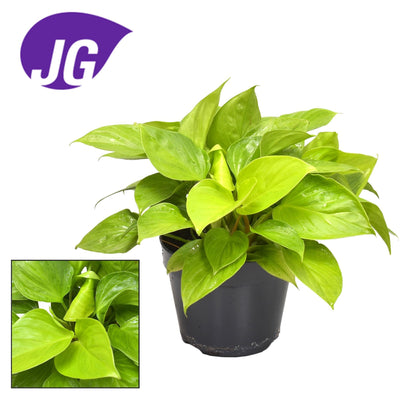 Homolomena
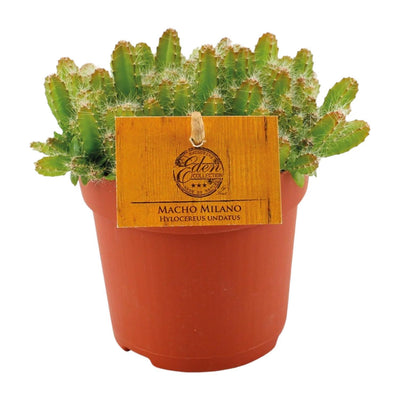 Hylocereus Undatus
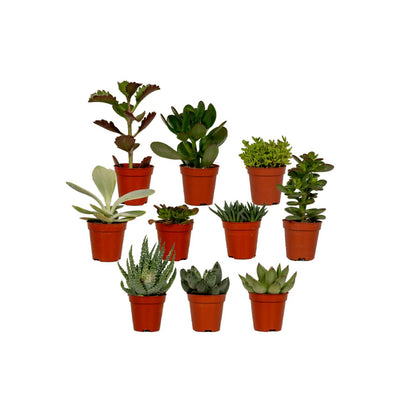 Kalanchoe
 Kentia Palm (Howea)
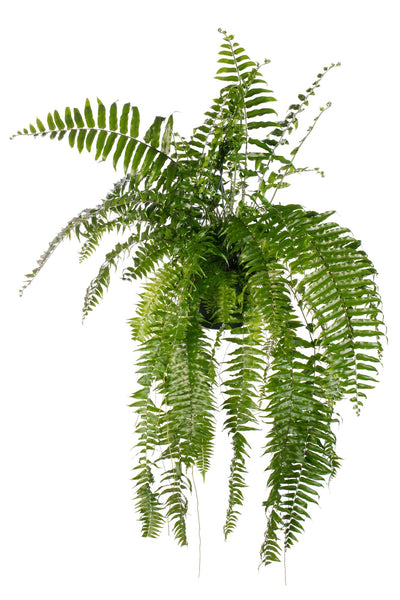 Boston fern (Nephrolepis)
 Peace Lily (Spathiphyllum)
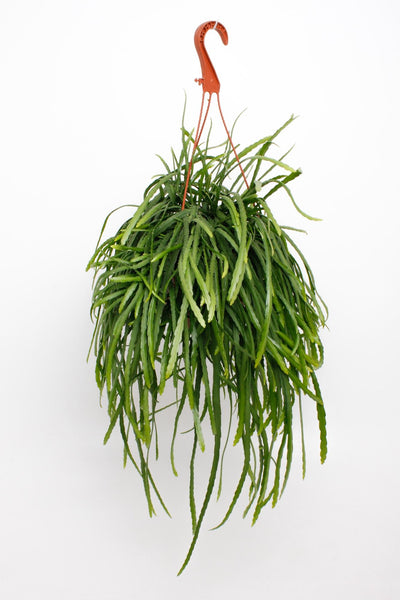 Lepismium
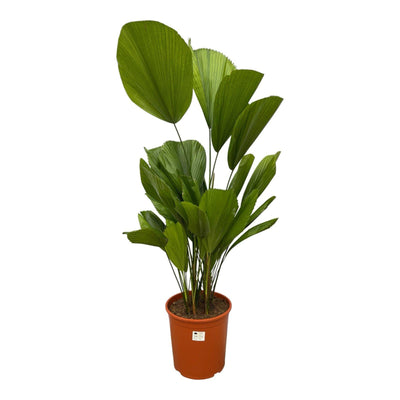 Licuala Grandis (Fan palm)
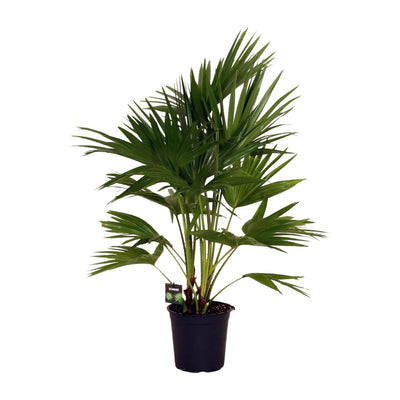 Livistona (Chinese Fan Palm)
 Maranta
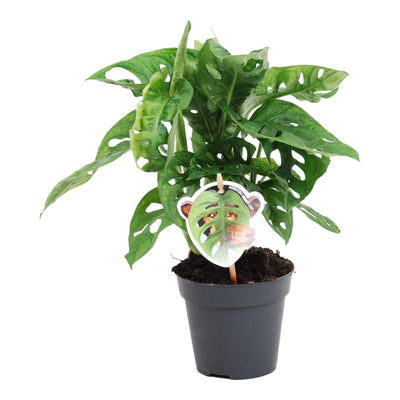 Monstera (Swiss cheese plant)
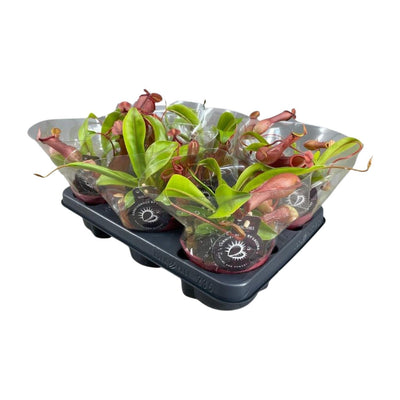 Nepenthes
 Elephant's Foot Plant (Beaucarnea)
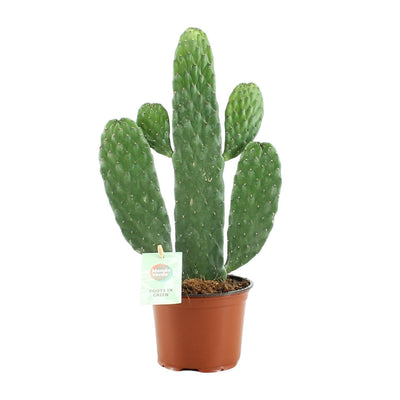 Opuntia (Prickly Pear Cactus - Fig Cactus)
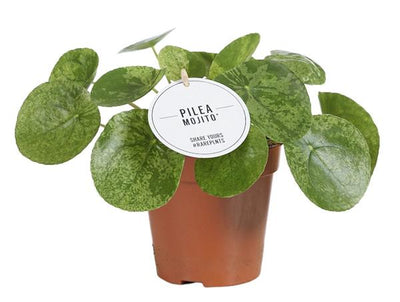 Pancake plant (Pilea)
Strelitzia (Bird of Paradise Plant)
Strelitzia Nicolai
Pancake plant (Pilea)
Strelitzia (Bird of Paradise Plant)
Strelitzia Nicolai
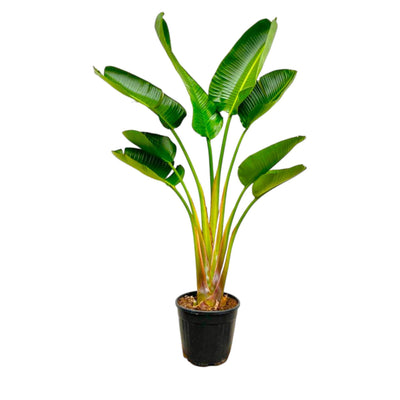 Strelitzia Augusta
 Strelitzia Reginae
 Umbrella plant (Cyperus Alternifolius)
 Peperomia Plant
 Philodendron
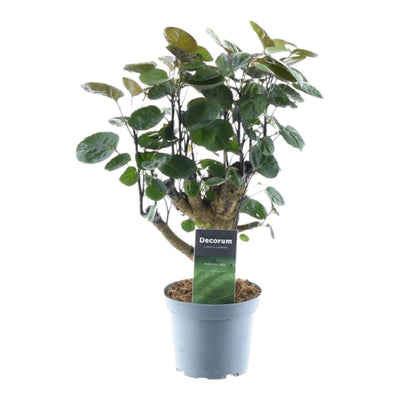 Polyscias Plant
 Phoenix Roebelenii (Dwarf Date Palm)
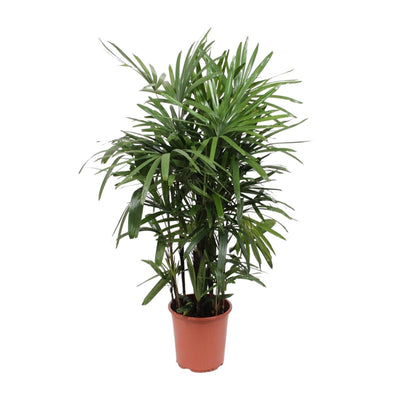 Rhapis (Bamboo palm)
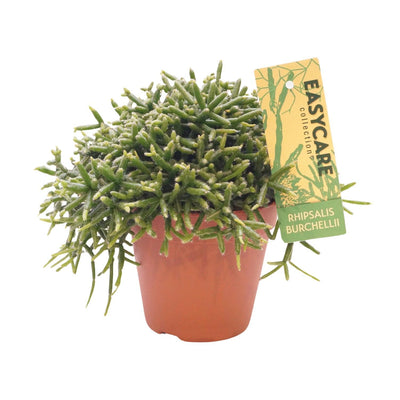 Rhipsalis (Coral cactus)
 Sansevieria (Snake Plant)
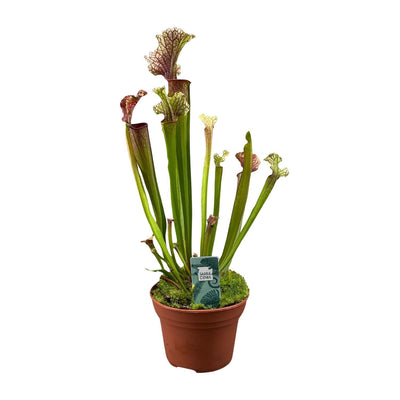 Sarracenia
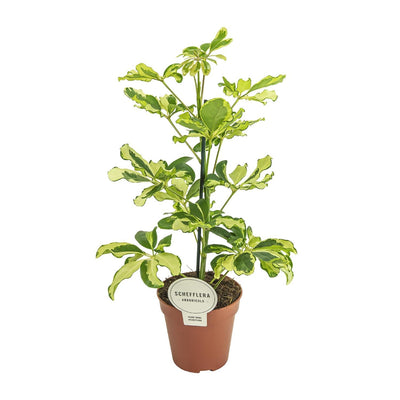 Schefflera
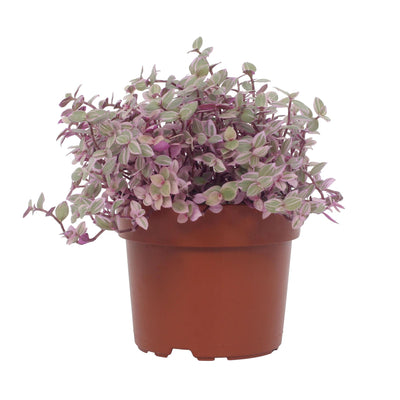 Turtle plant (Callisia Repens)
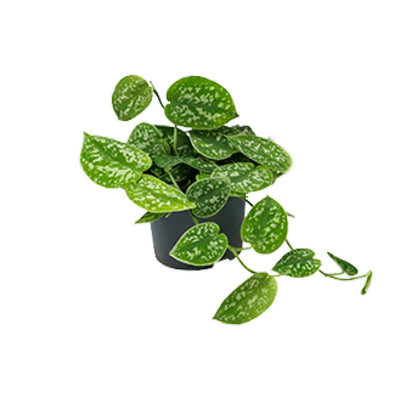 Scindapsus
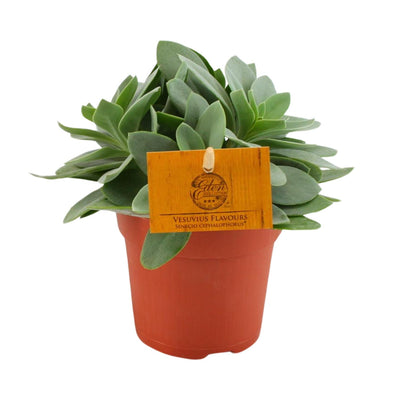 Senecio (Pea plant)
 Syngonium
 Tillandsia
 Tradescantia (Father plant)
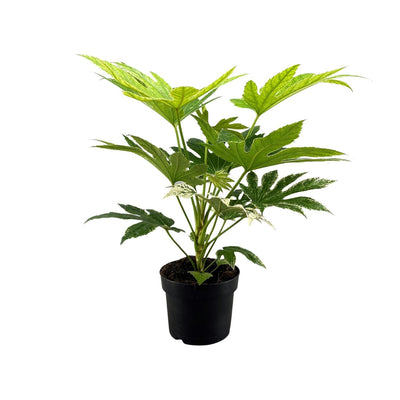 Finger plant (Fatsia Japonica)
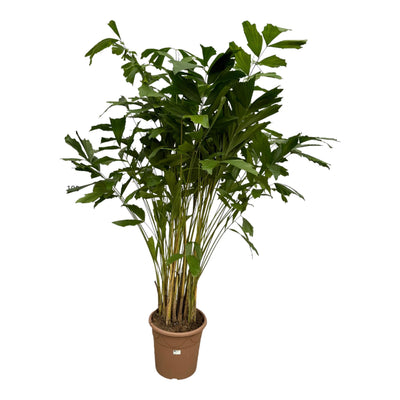 Fish-tail palm (Caryota Mitis)
 Yucca Plant
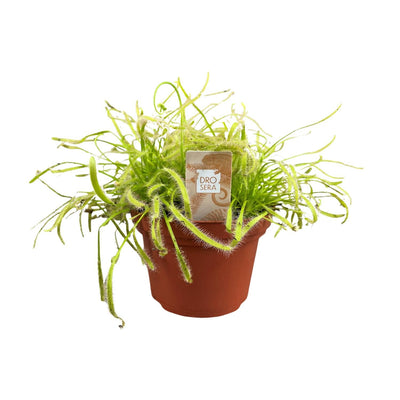 Sundew (Drosera Plant)
 ZZ Plant (Zamioculcas)
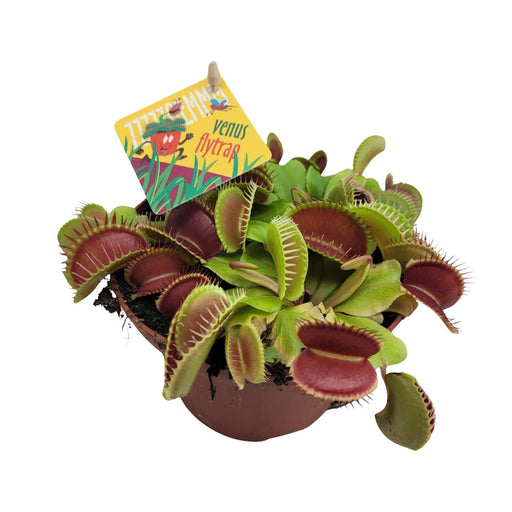
The Dionaea Muscipula, better known as the Venus flytrap or Venus flycatcher, is one of the most extraordinary carnivorous plants in the world. This unique houseplant originates from subtropical swamps in the United States and is known for its spectacular trapping mechanism. The leaves of this plant contain specialized valves that snap shut when an insect touches the sensitive hairs. This process, which takes only milliseconds, ensures that the plant can effectively catch and digest its prey. In addition to its practical function as an insect trap, the Venus flytrap is often admired for its exotic appearance and scientific fascination.
The Dionaea Muscipula has a compact form and grows low to the ground. Its leaves feature hinged lobes with small tooth-like structures along the edges. When an insect touches the trigger hairs inside the leaf twice in quick succession, the trap closes lightning-fast. The plant produces enzymes to digest its prey and extracts essential nutrients from it. This process can take several days. Depending on the conditions, the color of the trap can vary from green to deep red. A mature Venus flytrap can have multiple traps at the same time, each with its own life cycle.
The Dionaea Muscipula is not toxic to humans or pets. Although it is a carnivorous plant, it poses no danger whatsoever to humans or animals. In fact, many people keep this plant indoors as a natural way to control small insects such as mosquitoes and fruit flies. However, the plant should not be consumed, as it is not intended as a food source.
Caring for the Venus flytrap requires specific attention. It thrives best in acidic, nutrient-poor soil such as sphagnum moss and should only be given rainwater or distilled water. Tap water contains minerals that are harmful to the plant. The plant needs plenty of direct sunlight, at least 4-6 hours per day. In winter, it enters a dormant period, during which the leaves may die back. This is a natural process, after which it will produce new traps again in the spring.
Do you want to add a Dionaea Muscipula to your plant collection? At Planten247, you will find a wide range of healthy and strong Venus flytraps. Whether you are a beginner or an experienced collector, our carefully selected plants make for a unique addition to your interior. Order today and discover the fascinating world of carnivorous plants!