5% off with code HELLO5
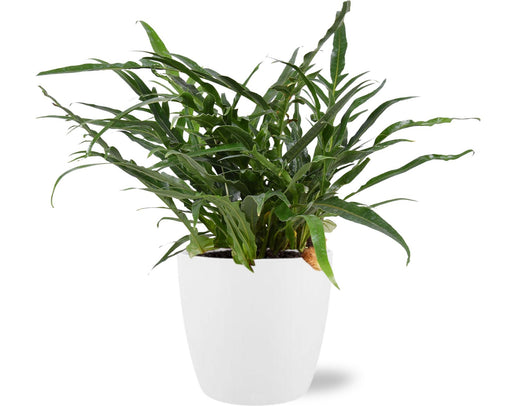
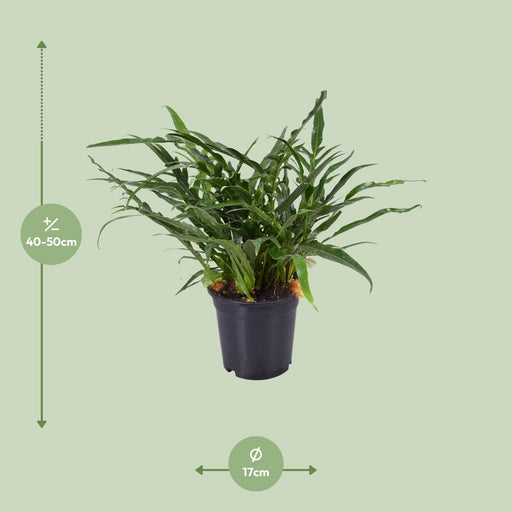
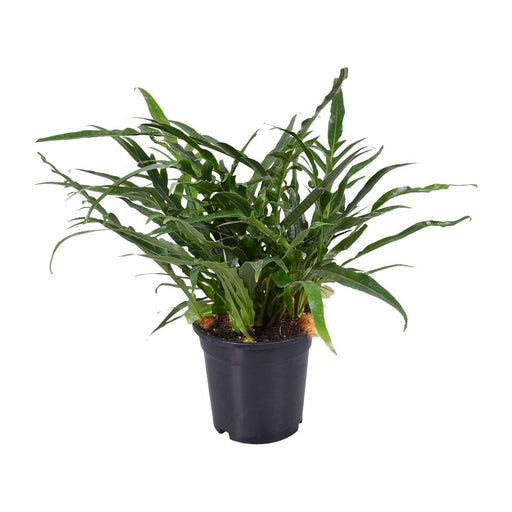
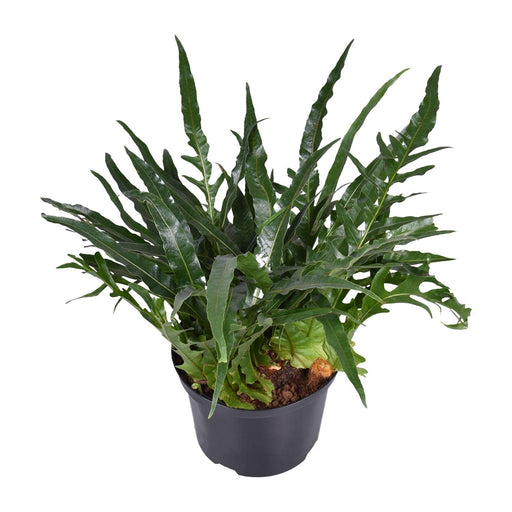
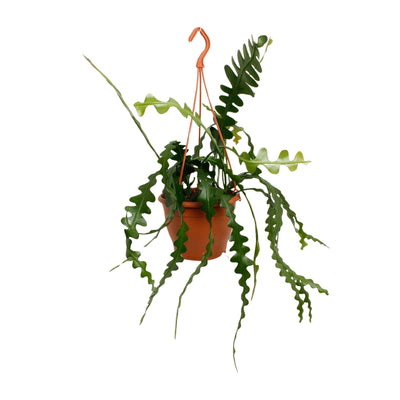
Aglaomorpha Coronans - Ø17cm - ↕45cm + Pot Brussels D18x17cm - White
Discover the Aglaomorpha coronans, better known as the Santa Rosa fern or Deerfoot fern. This special houseplant, native to tropical regions, effor...
View full detailsDiscover the Aglaomorpha coronans, better known as the Santa Rosa fern or Deerfoot fern. This special houseplant, native to tropical regions, effor...
View full details Houseplants
 Aglaonema
 Alocasia (Elephant Ear)
 Aloe Vera plant
 Anthurium
 Araucaria (Camerden)
 Areca Palm (Dypsis Lutescens)
 Asparagus Plant
 Aspidistra (Quarter plant)
 Asplenium (Nest fern)
 Banana plant (Musa)
 Begonia
 Blue fern (Phlebodium)
 Bromelia
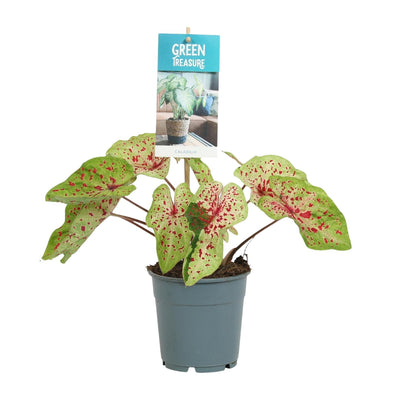 Caladium
 Calathea
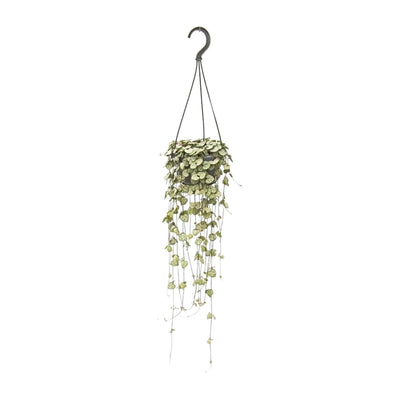 Ceropegia (Lantern plant)
 Chamaedorea Elegans (Mexican Dwarf Palm)
 Chamaerops Humilis (Dwarf Palm)
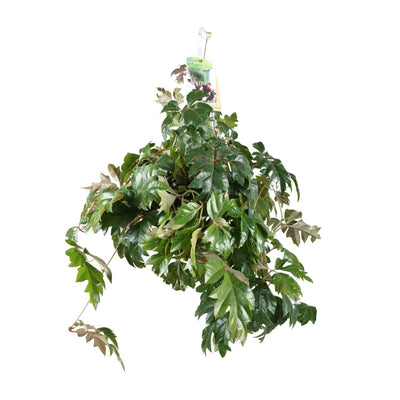 Cissus
 Clusia
 Coffea Arabica (Coffee plant)
 Cordyline
 Crassula
 Croton (Codiaeum)
 Ctenanthe
 Cycas
Cycas
 Dieffenbachia
 Dionaea Muscipula
 Dracaena (Dragon plant)
 Dryopteris
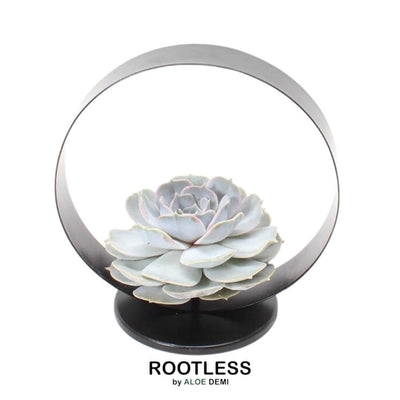 Echeveria
 Epiphyllum (Sawtooth cactus)
 Epipremnum
 Euphorbia
 Ficus
Ficus Lyrata
Ficus
Ficus Lyrata
 Ficus Benghalensis
 Ficus Benjamina
 Ficus Cyathistipula
 Ficus Elastica
 Ficus Nitida
 Gasteria
 Money tree (Pachira Aquatica)
 Spider plant (Chlorophytum)
Guzmania
Spider plant (Chlorophytum)
Guzmania
 Haworthia
 Homolomena
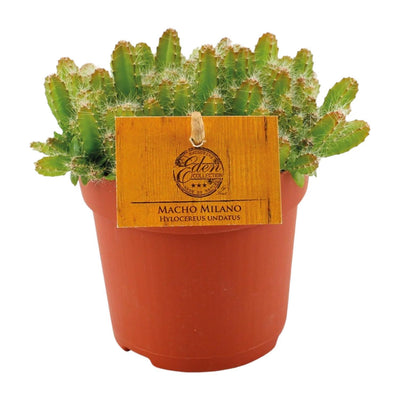 Hylocereus Undatus
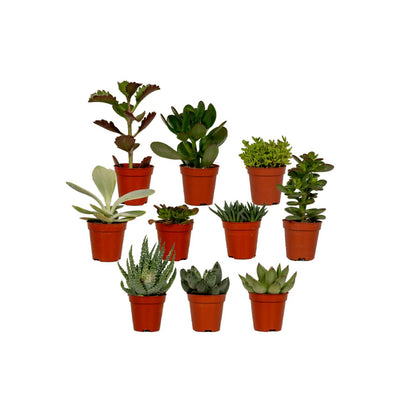 Kalanchoe
 Kentia Palm (Howea)
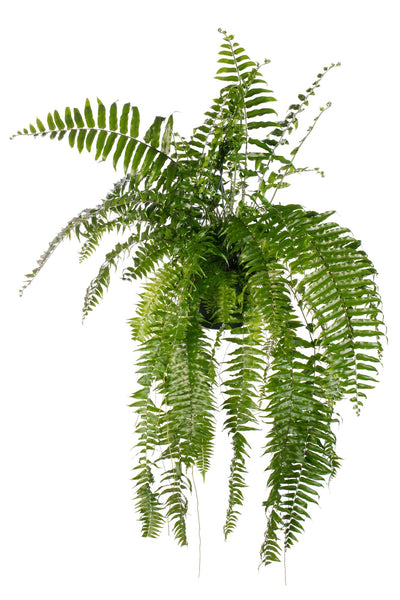 Boston fern (Nephrolepis)
 Peace Lily (Spathiphyllum)
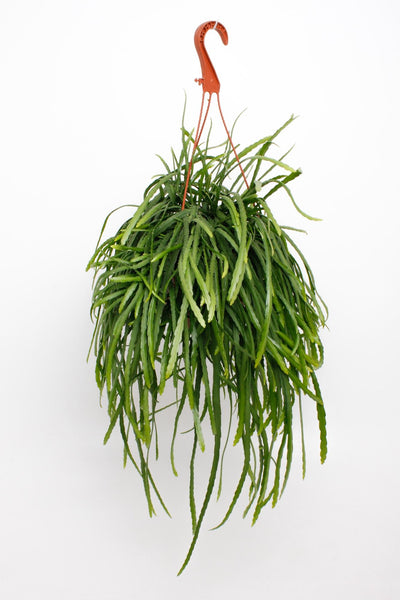 Lepismium
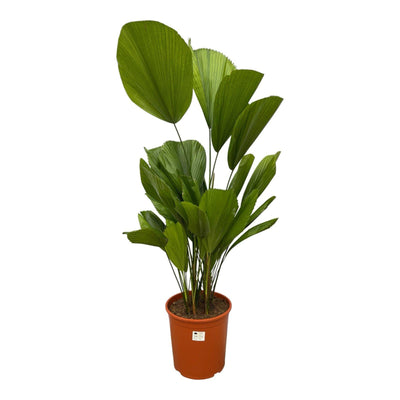 Licuala Grandis (Fan palm)
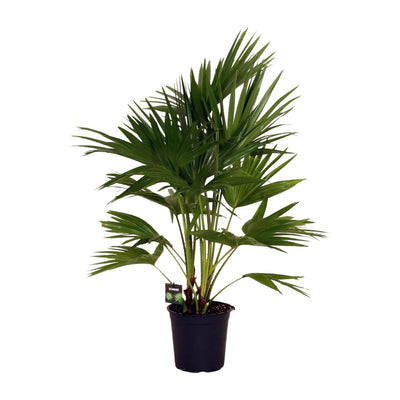 Livistona (Chinese Fan Palm)
 Maranta
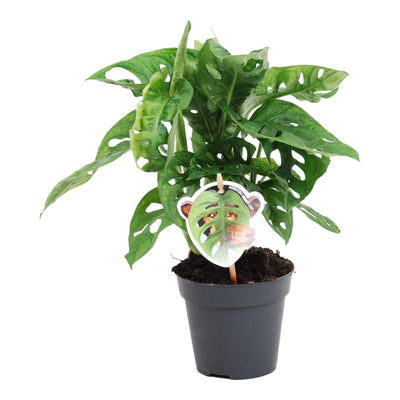 Monstera (Swiss cheese plant)
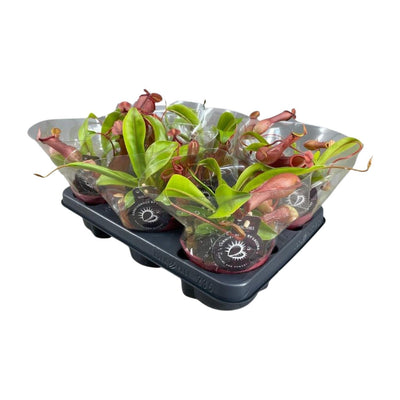 Nepenthes
 Elephant's Foot Plant (Beaucarnea)
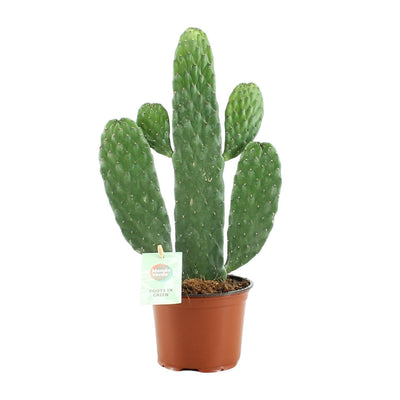 Opuntia (Prickly Pear Cactus - Fig Cactus)
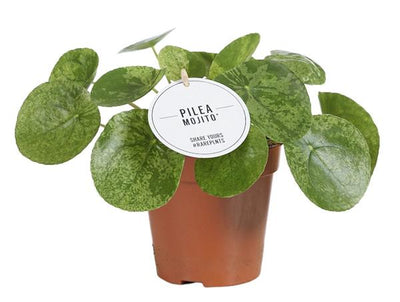 Pancake plant (Pilea)
Strelitzia (Bird of Paradise Plant)
Strelitzia Nicolai
Pancake plant (Pilea)
Strelitzia (Bird of Paradise Plant)
Strelitzia Nicolai
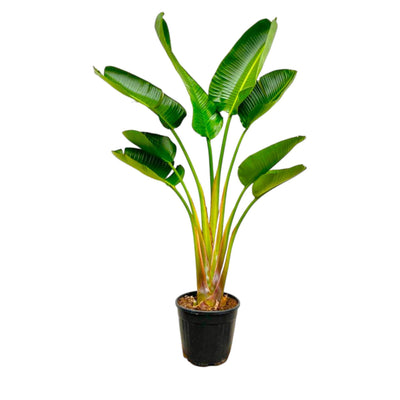 Strelitzia Augusta
 Strelitzia Reginae
 Umbrella plant (Cyperus Alternifolius)
 Peperomia Plant
 Philodendron
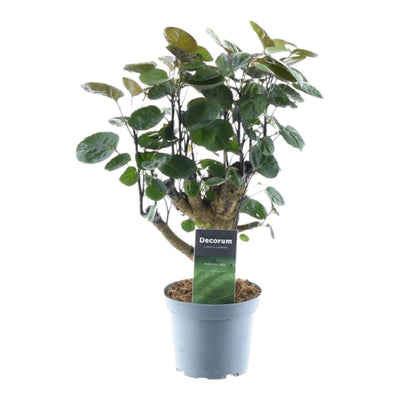 Polyscias Plant
 Phoenix Roebelenii (Dwarf Date Palm)
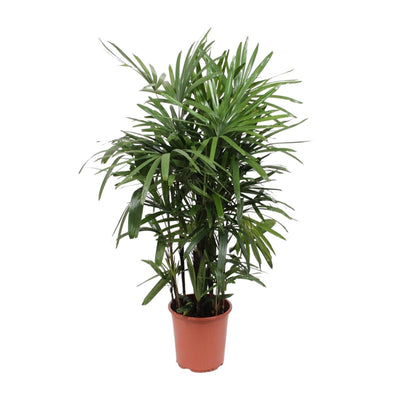 Rhapis (Bamboo palm)
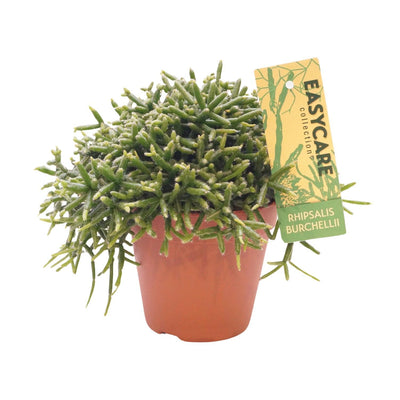 Rhipsalis (Coral cactus)
 Sansevieria (Snake Plant)
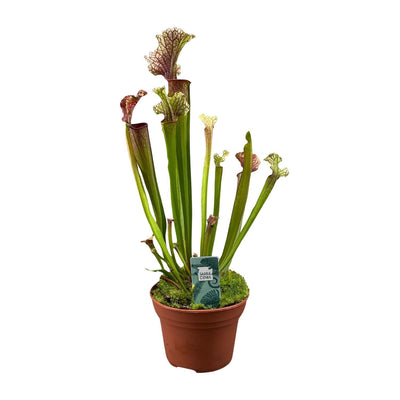 Sarracenia
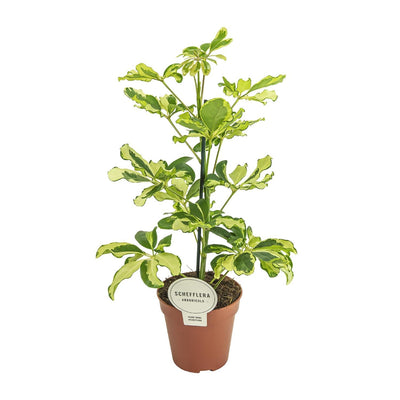 Schefflera
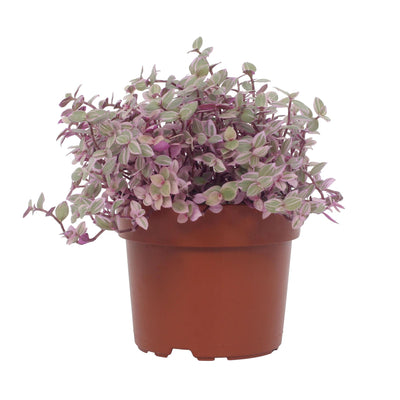 Turtle plant (Callisia Repens)
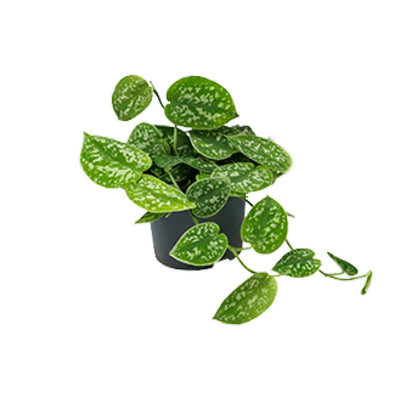 Scindapsus
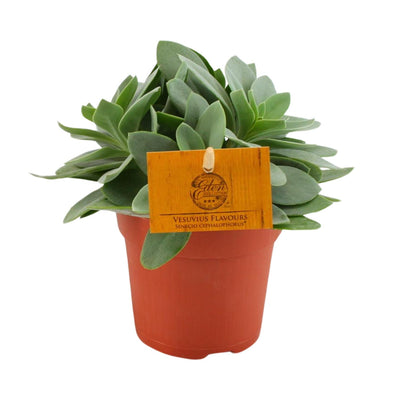 Senecio (Pea plant)
 Syngonium
 Tillandsia
 Tradescantia (Father plant)
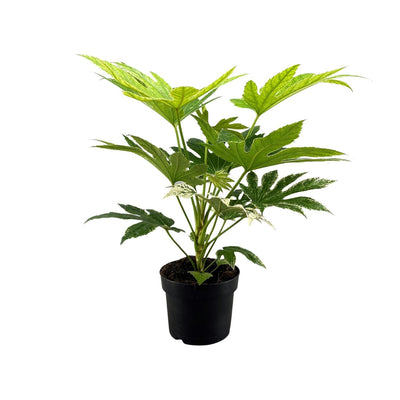 Finger plant (Fatsia Japonica)
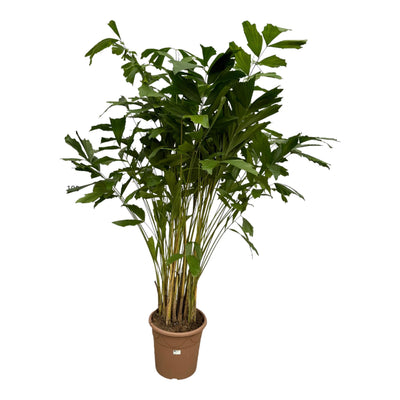 Fish-tail palm (Caryota Mitis)
 Yucca Plant
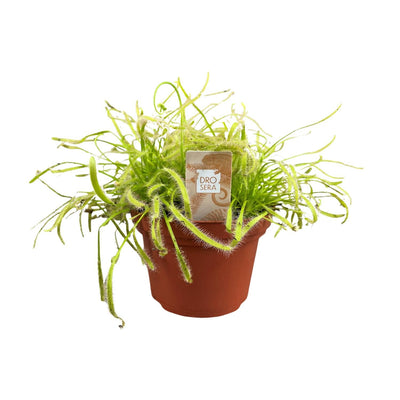 Sundew (Drosera Plant)
 ZZ Plant (Zamioculcas)
The Aglaomorpha is a genus of ferns found primarily in tropical and subtropical regions. This fern is known for its robust and leathery leaves that give it an exotic appearance. Aglaomorpha grows naturally as an epiphyte, meaning it often attaches itself to trees or rocks without damaging them. This makes it a fascinating plant that can adapt to various environments. The plant is valued for its graceful growth habit and long leaves that provide a luxurious, green appearance.
Although the Aglaomorpha grows naturally in the wild, this fern is also an excellent choice as a houseplant. It prefers a bright location with indirect sunlight and high humidity. This makes it ideal for bathrooms or other damp spaces. The plant requires little maintenance, as long as the soil remains moist but not waterlogged. Regular misting helps maintain humidity levels and keep the leaves healthy. With proper care, this fern can be a beautiful green addition to your interior for years to come.
Aglaomorpha has several unique characteristics that distinguish it from other ferns. Its thick, leathery leaves make it highly resistant to drying out and give it a sturdy appearance. Because the plant is an epiphyte, it grows not only in potting soil but can also be placed on a piece of tree bark or moss. This makes it ideal for special arrangements such as green walls or hanging displays. Furthermore, the plant is non-toxic, making it safe for pets and children.
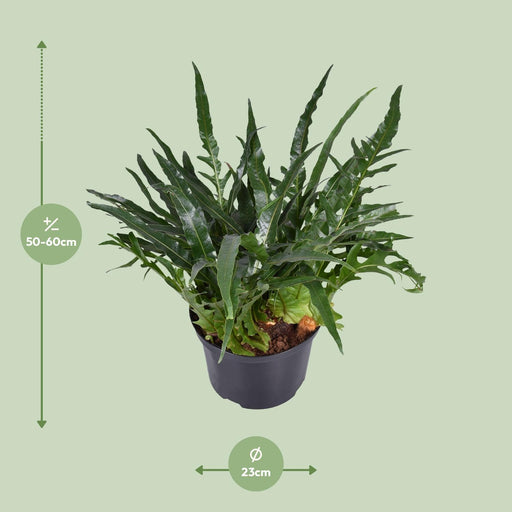
There are various species of Aglaomorpha, each with its own characteristics. A popular species is the Aglaomorpha coronans, known for its large, wavy leaves that have a beautiful, wild appearance. The Aglaomorpha meyeniana has smaller, finer leaves and is perfect for compact spaces. Other species, such as the Aglaomorpha heraclea, are known for their impressive growth and unique root structures. Whichever species you choose, every Aglaomorpha adds a touch of tropical elegance to your interior.
Do you want to buy an Aglaomorpha fern? You can visit specialized garden centers or online plant shops. When purchasing, pay attention to the health of the plant: the leaves should be firm and green, without brown spots or signs of drying out. Choose a pot with good drainage to prevent root rot. There are various online providers offering Aglaomorpha ferns, sometimes even in unique arrangements such as on wood or in glass terrariums. With proper care, you will enjoy this beautiful, exotic fern for years to come.