
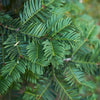
Pruning Taxus Baccata
, 5 min reading time
, 5 min reading time
The Taxus Baccata, also known as the Yew, is a popular garden plant that is widely used as a hedge plant or border plant. This evergreen shrub is not only beautiful but also versatile in the garden. Whether you want to create a neat hedge, a subtle border, or simply a stylish plant, the Taxus Baccata is an excellent choice. Pruning is an essential part of maintaining this plant. In this blog, you will read everything about when, how, and why to prune the Taxus Baccata for optimal growth and health.

Pruning the Taxus Baccata is essential for maintaining a beautiful, compact, and healthy shape. The right time for pruning is of great importance to avoid damaging the plant. The best time to prune Taxus Baccata is in late winter or early spring, before new growth begins. This ensures that the plant can recover well and form new shoots more quickly. You can also prune the Taxus a second time in late summer to maintain a tight shape and prevent the plant from growing too large. It is important not to prune during the active growing season (May to August), as this can weaken the plant and cause stress. Additionally, extreme weather conditions, such as frost or heat, can cause damage if pruned too early or too late. Therefore, it is always good to keep an eye on the weather.
Pruning is an art that you can master with the right techniques. Here are the steps to correctly prune your Taxus Baccata:
Required tools: Make sure you use sharp and clean tools, such as hedge shears or pruning shears. This ensures a clean cut and prevents damage to the plant.
Start with light pruning: Carefully prune the tops and sides of the Taxus Baccata. Start with light pruning and work your way to the desired shape. It is better to remove a small amount several times than to prune too much at once.
Limit pruning of old wood: Taxus Baccata responds best to pruning of younger wood. Avoid pruning older branches that may not sprout again, as this can weaken the plant.
Work from top to bottom: Start at the top of the plant and work downwards to create an even shape. This prevents the lower branches from being exposed to too much sunlight, which can lead to drying out.
Remove dead or damaged branches: It is important to remove dead, diseased, or damaged branches to prevent diseases from spreading. This helps the plant stay healthy and promotes new growth.
Check the shape: Step back regularly to check if the Yew has the desired shape. Adjust the cut as needed to maintain a symmetrical and neat hedge or shrub.

Topping the Taxus Baccata is an important technique to keep the plant in a compact and dense shape. The process of topping is not the same as pruning, as it usually involves shortening the tops of the plant to maintain a beautiful shape. Follow these steps for proper topping:
Choose the right moment: Topping should ideally be done in early spring, before new growth begins. This ensures that the plant has time to develop new shoots.
Use sharp tools: Use sharp pruning shears or hedge trimmers to cut off the tops accurately. This prevents damage to the plant and ensures a neat finish.
Top only the top branches: Cut off only the top branches to shape the plant. Make sure you do not remove too much, so that the Yew retains its natural appearance.
Prune with care: Be careful when topping the Taxus Baccata. It is important not to remove too much, as this can weaken the plant in the future and hinder growth.
By regularly topping, you stimulate the growth of the Taxus Baccata into a beautiful, dense shape, which is perfect for a sleek hedge or a compact border.

After pruning, the Taxus Baccata needs extra care to recover quickly and maintain its healthy appearance. Here are some important care tips after pruning:
Watering: Ensure sufficient water, especially during a dry period. This helps the plant recover from pruning and stimulates new growth. Water regularly, ensuring the roots remain submerged, to prevent root rot.
Fertilization: After pruning, the Yew can benefit from light fertilization. Use a fertilizer rich in nitrogen, which promotes new growth. This is especially important if you pruned the Taxus Baccata in the spring.
Mulching: Applying a layer of mulch around the base of the plant helps to retain moisture and protect the roots from extreme temperatures. Compost or organic mulch is ideal.
Checking for pests and diseases: After pruning, it is important to regularly check your Yew for signs of pests, such as the Yew beetle, or diseases such as fungus. Treat the plant quickly if you notice any problems to prevent further damage.
By following these simple care tips, your Taxus Baccata can recover quickly from pruning and remain a healthy, beautiful plant in your garden.


