
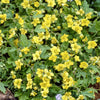
Waldsteinia Ternata (Golden Strawberry) Care
, 13 min reading time
, 13 min reading time
The Waldsteinia Ternata, popularly known as the Golden Strawberry, is one of the most reliable garden plants for the modern gardener. These strong plants are known for forming a lush, green carpet in no time, which makes them the ideal ground cover for both large surfaces and small corners. Whether you these versatile plant now use as a robust border plant under taller shrubs or as decorative filler along a garden path, the Golden Strawberry proves its worth time and again by effectively suppressing weeds and providing color all year round.

Although the Waldsteinia is known for its rock-solid character, well-thought-out water management is the key to a vital plant that is highly resistant to diseases. Especially during the establishment phase, the moisture balance is crucial for the development of the root system.
Immediately after planting: The first three to four weeks are critical. Water the plants generously so that the soil around the root ball settles well.
During warm summers: The Gouda strawberry has a relatively shallow root system. During prolonged heat above 25°C, it is advisable to water deeply two to three times a week instead of a little bit every day.
Watering method: Direct the water stream at the soil and not at the leaves. This prevents the sun from burning the leaves and reduces the risk of mold formation.
Winter months: In principle, you do not need to water in winter, unless there is an extremely dry easterly wind during frost; then the plant can dry out because it remains green.

The Waldsteinia ternata is a true all-rounder that adapts effortlessly to various light conditions. However, the plant performs best when soil conditions and light intensity are in balance.
Partial shade to shade: This is the plant's natural habitat. Here, the leaves remain the most beautiful deep green and the soil dries out less quickly.
Sun: The Gouda strawberry can stand in full sun, provided the soil remains constantly slightly moist. In full sun, the plant will also bloom more profusely, but there is a greater risk of leaf burn during hot afternoon hours.
Soil requirements: Preference is given to humus-rich, slightly acidic to neutral soil that is well-draining. Heavy clay soil should be improved with compost or potting soil to make the structure more airy.
Although the Golden Strawberry usually shines in open ground, it is surprisingly decorative in plant pots and planters, provided you take into account a number of specific care requirements:
Drainage: Always use a pot with holes in the bottom. The Waldsteinia does not like 'wet feet', which can quickly lead to root rot in a closed pot.
Nutrition: Because the roots have limited space in a pot, nutrients are depleted more quickly. In the spring, mix a slow-release fertilizer into the top layer of the potting soil.
Moisture content: In a pot, water evaporates much faster. In the summer, check daily with a finger in the soil whether the plant still has sufficient moisture.
There may be various reasons for wanting to relocate your Golden Strawberry, such as a garden renovation or thinning out an overgrown border. Fortunately, this plant recovers very quickly from being moved.
The best period: Preferably move the plant in early spring (March/April) or early autumn (September/October). During these periods, the soil temperature is pleasant and evaporation through the leaves is minimal.
Procedure: Dig out a generous root ball around the plant with a sharp spade. Try to keep as much of the roots intact as possible.
Aftercare: After moving, it is essential to water the plant generously immediately, even if it rains. This helps the roots to make contact with the new soil again.

The success of a densely overgrown green carpet begins with the right planting. The Gouda strawberry is a fast grower, but does need a good start.
Planting distance: For a nice, dense result within one growing season, we recommend 7 to 9 plants per square meter. For larger pot sizes, you can get by with slightly less.
Planting step-by-step plan:
Mix a generous amount of organic soil conditioner or compost into the existing soil.
First, submerge the plants, pot and all, in a bucket of water until there are no more air bubbles. come up.
Space out the seedlings at the correct distance and dig holes that are just slightly larger than the root ball.
Place the seedlings, fill with soil, and press down firmly with your hands.
In principle, you can plant Waldsteinia ternata all year round, provided it is not freezing and the soil is not bone dry. However, there are two preferred times for the best results:
Autumn (September - November): This is the very best time. The soil is still warm from the summer and the air is often humid. This allows the roots to establish themselves well before winter sets in. In the spring, the plant will then have a head start and will sprout well immediately.
Early spring (March - April): As soon as the worst of the frost is out of the ground, you can plant the Gouda strawberry perfectly well. The plant then immediately enters its growing season, although in a dry spring you must pay extra attention to ensure the young plants receive sufficient water.
Important tips for planting:
Summer: Are you planting in the summer? No problem, but be prepared to water daily (sometimes twice) to prevent the new root balls from drying out.
Plant spacing: Maintain approximately 7 to 9 plants per square meter for a nice, covering carpet.

The flowering time of the Waldsteinia ternata is one of the highlights of spring. When most garden plants are only just waking up, the Golden Strawberry is already providing a cheerful splash of color.
Period: The main flowering period takes place in April and May, sometimes with a small second flowering in late summer.
Appearance: The small flowers are golden yellow, have five petals, and strongly resemble that of the buttercup or the wild strawberry (hence the name).
Flowering stimulation: A location with slightly more sunlight will promote flowering, although the plant will still produce flowers in full shade.

Germination time: The seeds require a cold period to germinate and it can take months before the first shoots are visible.
Alternative: Because the plant multiplies itself very easily via runners, dividing existing plants is many times more effective and faster if you want to have more plants.
The Waldsteinia ternata is non-toxic and is therefore a very safe choice for gardens where children, dogs, or cats play. Although the plant is not intended for consumption, accidentally chewing on a leaf or stem generally does not cause medical problems in pets. The plant is also completely harmless to humans upon contact. Although the name 'Golden Strawberry' suggests otherwise, the plant rarely produces fruit; Should these appear anyway, they are not poisonous, but they are tasteless and unsuitable for consumption.

One of the greatest advantages of the Gouda strawberry is that pruning is almost never necessary. The plant has a natural tendency to stay close to the ground.
Cleaning pruning: In early spring (March), you can cut away brown or unsightly leaves with hedge shears on a high setting. This makes room for the fresh, new shoots.
Containing: If the plant grows over the garden path or over other plants, you can simply cut off the edges with a spade or shorten them with pruning shears.
The Waldsteinia ternata propagates itself via above-ground runners, similar to the common strawberry. This makes "taking cuttings" a piece of cake.
Dividing/Splitting: The most effective method. Dig up a mature plant and pull the root ball into two or three pieces by hand or with a sharp knife. Ensure that each part has sufficient roots.
Srunners: You often see young plants at the ends of the stems that have already formed their own roots in the soil. Cut these off from the mother plant and dig them up to plant them elsewhere.

Although the Golden Strawberry can survive on poor soil, annual fertilization ensures a much fuller and greener carpet.
Type of fertilizer: Preferably use an organic fertilizer for ornamental gardens. This releases nutrients slowly and simultaneously improves soil life.
Dosage: Follow the recommended amount on the packaging. Too much fertilizer can lead to excessive leaf growth at the expense of the flowers.
Unlike many other soft-leaved ground covers, the Golden Strawberry is reasonably resistant to snail damage. The leaves are sturdy and leathery, which is less attractive to most slugs.
Prevention: Keep the garden free of dead leaves and debris under which slugs can hide.
Measures: Should you nevertheless see feeding damage on the young, tender shoots in the spring, choose environmentally friendly slug pellets based on iron phosphate. This is safe for birds and hedgehogs.
Do you still have a lot of trouble with slugs in the garden despite the resistance of this plant? Also read our extensive blog about combating snails for the best tips and solutions.

There are a number of specific reasons why a Goudaardbei stops flowering or produces fewer and fewer flowers. Here are the most common causes and solutions:
Too much shade: Although the plant grows excellently in the shade, it needs a little sunlight to produce flower buds. If the spot has become darker over the years (for example, due to growing shrubs above it), flowering will decrease.
Aging of the turf: When the Waldsteinia stands in the same spot for years, the plant can become "tired". The turf then becomes too dense and the roots no longer have room. Solution: Dig up a portion of the plants, divide them, and replant them with fresh nutrients. This rejuvenates the plant.
Incorrect fertilization: If you give the plants a lot of nitrogen-rich fertilizer, the plant will put all its energy into producing green leaves and shoots, instead of flowers. Solution: Use a fertilizer with a higher potassium (K) content in early spring.
Soil too dry in summer: The flower buds for the following year are often already formed at the base of the plant in late summer/autumn. If the plant has been extremely dry during that period, bud formation may stagnate.
Pruning at the wrong time: If you cut back the plant too rigorously in early spring, you may have accidentally removed the existing flower buds.
Tip: Try lightly fertilizing the plants with organic fertilizer pellets in March and ensure they are in a slightly lighter spot. You often see immediate results the very next year.

The Waldsteinia ternata is an exceptionally strong plant that rarely falls prey to serious diseases. Most problems that occur can often be traced back to environmental factors.
Root rot (Phytophthora): This occurs when the soil is too compact and water remains standing. The leaves turn yellow and the plant slowly dies. Solution: improve soil and restore drainage.
Mildew: In very warm, humid late summers, a white haze can sometimes appear on the leaves. This is usually harmless and disappears on its own when the leaves fall or after pruning in the spring.

The Waldsteinia ternata is undoubtedly one of the most rewarding plants for anyone who loves a green, low-maintenance garden. Thanks to its strong constitution, beautiful spring bloom, and ability to suppress weeds, it is an investment you will enjoy for years to come. With the right basic care, such as a good location and annual fertilization, this Gouda strawberry forms an unbeatable green carpet.


