
Olive Tree Care
, 16 min reading time
, 16 min reading time
The olive tree (Olea europaea) is an iconic plant that adds a touch of Mediterranean charm to any garden or terrace. This evergreen tree is loved not only for its ornamental value, but also for its delicious olives and valuable olive oil. In this blog, we answer the most frequently asked questions about caring for the olive tree, so that you can enjoy this beautiful garden plant to the fullest.
The olive tree (Olea europaea) is a beautiful, Mediterranean plant that adds a lot of charm and character to any garden or patio. Whether you are a beginner or an experienced gardener, planting an olive tree can be a rewarding experience.
Olive trees thrive best in a sunny spot with at least six hours of direct sunlight per day. Choose a spot in your garden that is well protected from strong winds. Olive trees can grow well in both open ground and pots, depending on the available space and your climate.
Olive trees prefer well-draining soil. Before planting, dig a planting hole that is twice as wide and as deep as the tree's root ball. Mix the excavated soil with compost to improve fertility and drainage. If you have clay soil, add extra sand or gravel to promote drainage.
Olive trees do not need much water and can tolerate drought well. Young trees should be watered regularly, especially during dry periods, to promote good root development. Mature olive trees can suffice with a weekly deep watering. Ensure that the soil dries out well between waterings to prevent root rot.
Olive trees do not need much water and can tolerate drought well. In the first few years of growth, it is important to water regularly, especially during dry periods. Once the tree is well-rooted, you can reduce watering. Watering deeply once a week is usually sufficient. Ensure that the soil dries out well between waterings.
You can easily check if your olive tree needs water by looking at the soil and the leaves:
Soil moisture: Stick your finger or a garden tool a few centimeters deep into the soil around the olive tree. If the soil feels dry, the tree needs water. If the soil is still moist, wait a little longer before watering.
Leaf wilting: Pay attention to the leaves of the olive tree. If they start to droop or become limp, this can be a sign of drought and the need for water.
Leaf color: Wilted or yellowish leaves can also indicate a lack of water. Olive trees often react quickly to water stress by letting their leaves droop or change color.
Weight of the pot: If your olive tree is in a pot, lift the pot carefully. If the pot feels light, the tree probably needs water. A heavy pot can indicate that there is still sufficient moisture in the soil.
By regularly using these checkpoints, you can closely monitor your olive tree's water needs and prevent it from receiving both too much and too little water.
Pruning an olive tree is crucial for maintaining a healthy and productive tree.
Pruning helps with:
The best time to prune an olive tree is in early spring, just before new growth begins. This gives the tree time to recover and develop new branches before the growing season starts. Light pruning can also be performed in the summer to keep the tree in shape.
Read more: Pruning Olive Trees
Olive trees are naturally hardy, but may need extra protection in colder climates. Here are some tips to protect your olive tree from the winter cold, including the use of a heating cable for optimal protection.
Placement: Choose a sheltered location for your olive tree, preferably against a south-facing wall. This provides extra warmth and protection against cold winds.
Insulation: Wrap the trunk of the olive tree in bubble wrap or burlap to prevent frost damage. This also helps to protect the trunk against extreme temperature fluctuations.
Mulching: Cover the ground around the olive tree with a thick layer of mulch, such as straw or leaves, to insulate the roots and retain heat.
Application: Lay a heating cable around the trunk of the olive tree and cover it with insulation material. This ensures a constant heat source and prevents the trunk from freezing.
Timing: Connect the heating cable at the first signs of frost and leave it switched on until temperatures rise above freezing again.
Yes, you can harvest olives from your olive tree, but this requires patience. Olive trees usually do not start producing olives until they are a few years old. The harvest time depends on the variety and the climate, but usually falls in late summer to autumn. The olives are ripe when they have a dark color and feel firm. data-sizes="auto" data-src="https://cdn.shopify.com/s/files/1/0804/7319/4829/files/Olijven_Oogsten.jpg?v=1718718899" data-srcset="https://cdn.shopify.com/s/files/1/0804/7319/4829/files/Olijven_Oogsten_1800x.jpg?v=1718718899 1800w, https://cdn.shopify.com/s/files/1/0804/7319/4829/files/Olijven_Oogsten_1600x.jpg?v=1718718899 1600w, https://cdn.shopify.com/s/files/1/0804/7319/4829/files/Olijven_Oogsten_1400x.jpg?v=1718718899 1400w, https://cdn.shopify.com/s/files/1/0804/7319/4829/files/Olijven_Oogsten_1200x.jpg?v=1718718899 1200w, https://cdn.shopify.com/s/files/1/0804/7319/4829/files/Olijven_Oogsten_1000x.jpg?v=1718718899 1000w, https://cdn.shopify.com/s/files/1/0804/7319/4829/files/Olijven_Oogsten_800x.jpg?v=1718718899 800w, https://cdn.shopify.com/s/files/1/0804/7319/4829/files/Olijven_Oogsten_600x.jpg?v=1718718899 600w, https://cdn.shopify.com/s/files/1/0804/7319/4829/files/Olijven_Oogsten_400x.jpg?v=1718718899 400w">
Olive trees are generally resistant to many diseases and pests, but they can sometimes suffer from olive flies, mealybugs, and fungal infections. Check your tree regularly and treat problems early with organic pesticides or horticultural oil. A healthy tree is less susceptible to pests and diseases, so good care is essential.
To control mealybugs on an olive tree, you can start by manually removing the pests with a soft brush or a cotton swab soaked in a mixture of water and rubbing alcohol or soap. Additionally, you can introduce natural enemies such as ladybugs or use an organic control spray based on neem oil. Ensure the tree remains healthy by not overwatering and pruning regularly so that it is less attractive to mealybugs. Repeat the treatment if necessary and check the plant regularly for new infestations.
Olive trees thrive best in well-draining soil with a pH value between 6 and 8. Sandy loam is ideal because it drains water well while retaining sufficient nutrients. Mediterranean Potting Soil is an excellent choice, because it is specially formulated for the needs of Mediterranean plants. It contains the right mix of sand, organic material, and nutrients, allowing olive trees to grow and bloom optimally.
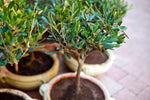
Olive trees (Olea europaea) do well in pots, provided they receive the proper care. Here are some essential tips for caring for an olive tree in a pot:
Pot Size: Choose a pot that is large enough for the olive tree, preferably at least 50 cm in diameter. This provides sufficient room for the roots to grow.
Drainage: Ensure that the pot has drainage holes to prevent water from accumulating and causing root rot. Place a layer of gravel or clay pellets at the bottom of the pot for extra drainage.
Soil mixture: Use a well-draining potting soil, preferably a mix for Mediterranean plants. Optionally add some sand to improve drainage.
Watering Moderately: Water the olive tree regularly, especially during dry periods. Allow the soil to dry out partially between waterings to prevent root rot.
Adjusting Watering: Adjust watering based on the season. In spring and summer, the tree needs more water due to the growing season, while in autumn and winter, the water requirement decreases.
Sunlight: Place the pot in a sunny location, preferably where the olive tree receives at least 6 hours of direct sunlight per day. This helps with the growth and flowering of the tree.
Protection Against Frost: In cold weather, you can move the pot to a sheltered spot or protect it with bubble wrap or burlap to insulate the roots.
With these care tips, you can keep your potted olive tree healthy and flowering, allowing you to enjoy its beauty and Mediterranean charm, even on a balcony or terrace.

The yellowing of leaves on an olive tree can have various causes, including improper watering, nutrient deficiencies, or stress caused by temperature fluctuations or diseases. Regularly check the water level and soil drainage, ensure sufficient nutrients with a suitable fertilizer, and avoid sudden changes in environmental conditions. Regularly inspecting for diseases and pests also helps maintain the health of the olive tree and prevent the yellowing of leaves.
Leaf loss in an olive tree (Olea europaea) can have various causes, ranging from natural factors to care issues. Here are some common reasons why an olive tree may lose its leaves:
Insufficient Water
Too Much Water
Temperature and Light
Temperature changes: Sudden temperature fluctuations, especially when moving to a colder environment, can cause an olive tree to drop its leaves.
Light: Too little or too much sunlight can also cause leaf loss. Ensure that the olive tree receives sufficient sunlight, preferably at least 6 hours per day.
Natural Cycle
Diseases and Pests
Diseases: Fungal diseases such as Verticillium wilt can cause leaf loss. Check regularly for signs of disease and treat with suitable fungicides if necessary.
Pests: Insect pests such as aphids, spider mites, or scale insects can also lead to leaf loss. Inspect the leaves regularly for signs of pests and take measures to combat them if necessary.
By evaluating the possible causes of leaf loss and taking appropriate measures, you can maintain the health and vitality of your olive tree and ensure that it keeps its leaves healthy.
With proper care, the olive tree can become a beautiful and productive be a great addition to your garden or terrace. By meeting the basic needs of light, water, pruning, and protection against the cold, you can enjoy this iconic tree for years to come.


