
Nerium Oleander Care
, 10 min reading time
, 10 min reading time
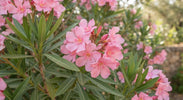
The Nerium Oleander, also known as simply Oleander, is a beautiful and tropical Mediterranean garden plant known for its lush evergreen leaves and striking flowers. With its abundant flowering and easy care, the Oleander is a popular choice for gardens and landscapes all over the world. Here are some tips for successfully growing and caring for this beautiful plant.
Discover our assortment here: Nerium Oleander
Yes, Nerium Oleander thrives best in a sunny and well-drained environment. Choose a location in full sun with fertile, well-draining soil for optimal growth and flowering.
Although Nerium Oleanders naturally thrive in full sun, they can also tolerate partial shade. In areas with hot summers, some shade in the afternoon can even be beneficial to protect the plant from excessive heat and drying out.
If you choose to place a Nerium Oleander in the shade, ensure that the plant still receives sufficient light, preferably in the morning hours when the sun is less intense. Too much shade can lead to leggy growth and reduced flowering.
It is important to remember that although Nerium Oleanders are tolerant of some shade, they still prefer a sunny location for optimal growth and flowering.
The frequency of watering a Nerium Oleander depends on various factors such as the weather, soil conditions, and the size of the plant. In general, it is advisable to keep the soil regularly but not excessively wet. During warm, dry periods, it may be necessary to water the plant more often, while in cooler, humid conditions, less frequent watering suffices. It is important to prevent the soil from drying out between waterings, but also to prevent the roots from constantly sitting in wet soil, which can cause root rot. Controlling soil moisture and adjusting watering based on the plant's needs is essential for the healthy growth of the Nerium Oleander.
Nerium Oleanders generally tolerate rain well, but it is important that the soil drains well to prevent root rot. During prolonged heavy rainfall, protection such as a canopy or rain cover may be necessary, especially for young plants or in areas with poor drainage. Healthy growth and a strong root system help the plant withstand rain better, so ensure regular care and drainage to ensure the Nerium Oleander thrives, even during rainy weather.
Give the Nerium Oleander a balanced fertilizer regularly during the growing season to promote growth and flowering. Choose a fertilizer that is specially formulated for flowering plants and follow the directions on the label for proper application.
When to Prune: The best time to prune a Nerium Oleander is in late spring or early spring, before the new growing season begins. Pruning in late autumn or winter should be avoided because this can stimulate new growth that might be damaged by frost.
How to Prune: Use sharp pruning shears to prune dead, damaged, or diseased branches all the way back to the base of the plant or to a healthy, living node. Prune the branches just above a node or branching point to stimulate growth and promote a healthy structure. Be careful not to prune too much of the plant, as this can reduce flowering and slow the growth of new branches.
By pruning your Nerium Oleander correctly, you can promote the health and beauty of the plant and ensure that it blooms and thrives for many years.
Read more: Oleander Pruning

The Nerium Oleander is generally winter hardy and can tolerate temperatures down to about -10°C to -12°C. In mild climates, the plant thrives well in open ground, but in colder regions, protection against frost is necessary, such as covering it with cloths or moving it to a sheltered location. It is important to note that the plant is toxic if ingested and must therefore be kept out of reach of children and pets.
Although the Oleander is a hardy plant, it may need protection against severe frost. To protect your Nerium Oleander from frost, here are some simple steps you can follow:
Cover with Cloths: During periods of frost, you can cover your Oleander with cloths or sheets to protect it from the cold. Ensure that the cloths cover the entire plant and the surrounding soil to retain heat.
Moving to a Sheltered Location: If your Nerium Oleander is in a pot, consider moving it to a sheltered location, such as a porch or greenhouse, during cold periods. This protects the plant from extreme cold and frost.
Mulching: Mulch the soil around the base of the Oleander with a thick layer of organic material, such as straw or leaves. This helps protect the roots from freezing and prevents the soil from cooling down too quickly.
Watering: Water your Nerium Oleander thoroughly before an expected frost period. Wet soil retains heat better than dry soil and can help protect the plant from freezing.
By following these simple steps, you can effectively protect your Nerium Oleander from frost and ensure it remains healthy, even during cold periods.
Check regularly for insect pests such as aphids, whiteflies, and spider mites and take appropriate measures to control them if necessary. Protecting your Nerium Oleander from pests is essential to maintain the plant's health. Here are some effective measures you can take:
Inspection and Manual Removal: Regularly check the leaves and stems of your Nerium Oleander for signs of pests, such as aphids, whiteflies, spider mites, and scale insects. If necessary, manually remove the affected parts of the plant.
Introducing Natural Enemies: Consider introducing natural enemies of pests, such as ladybugs, predatory bugs, or parasitic wasps. These natural predators can help control pest populations without causing damage to the plant.
Neem Oil: Neem oil is a natural insecticide that is effective against a wide range of pests, including aphids, whiteflies, and spider mites. Mix neem oil according to the instructions on the packaging and apply it to the affected parts of the plant.
Insecticidal Soap: A solution of insecticidal soap and water can be effective in controlling aphids, whiteflies, and other soft-bodied insects. Apply the solution to the affected parts of the plant and repeat after a few days if necessary.
Physical Barriers: If your Nerium Oleander is in a pot, you can use physical barriers such as copper tape around the edges of the pot to prevent crawling insects from reaching the plant.
By regularly checking for pests and taking proactive measures to combat them, you can ensure that your Nerium Oleander remains healthy and pest-free.
Shop our range here: Nerium Oleander
Would you like to read more about Mediterranean Plants? Then read this blog about the top 10 Mediterranean garden plants that are perfect for creating a tropical oasis in your outdoor space.


