
Alocasia Care
, 16 min reading time
, 16 min reading time
Alocasia, also known as Elephant Ear plants because of their striking large leaves, are beautiful and popular
With their different leaf shapes and colors, it can be difficult to determine which Alocasia you have. There are various species of Alocasia, each with its own unique characteristics and appearance. Some well-known species are:
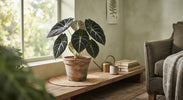
Alocasia Amazonica (Alocasia Polly): Also known as the Alocasia Polly, this plant has striking dark green leaves with white veins and a characteristic arrow-shaped leaf.
Alocasia Zebrina: This plant has striking striped stems that resemble the pattern of a zebra. The leaves are heart-shaped and have a deep green color.
Alocasia Macrorrhiza: This species is known for its impressive size and lush leaves. The Alocasia Macrorrhiza has large, heart-shaped leaves that make a tropical statement in any room. It is a favorite among lovers of large, lush plants due to its imposing appearance and air-purifying properties.
Alocasia Dragon Scale: Another striking variety with leaves covered in a texture resembling dragon scale, hence the name "Dragon Scale". The leaves are dark green with silvery markings.
These are just a few examples of the diverse Alocasia species available. Each variety has its own specific characteristics and care requirements.
Alocasia thrives best in well-draining potting soil that is rich in organic matter. A mix of potting soil, peat moss, and perlite or vermiculite is ideal. It is important that the soil is kept slightly moist, but not waterlogged. Good drainage is essential to prevent root rot, so ensure that the pot in which the Alocasia grows has holes at the bottom to drain excess water. It is also advisable to occasionally fertilize the soil, for example with a balanced liquid fertilizer, to promote the growth and health of the plant.
The right location is crucial for the well-being and growth of your Alocasia. These tropical plants have specific light and temperature requirements that you must respect to keep them healthy and happy.
Light: Alocasia plants thrive best in bright, indirect light. They love plenty of light, but direct sunlight can burn and damage the leaves. Therefore, place your Alocasia near a window where plenty of natural light comes in, but ensure the plant is not in direct sunlight. A spot behind a translucent curtain can be ideal for filtering the light.
Temperature: Alocasias are heat lovers and feel most comfortable at temperatures between 18°C and 27°C. They do not tolerate cold drafts and temperature fluctuations well, so keep the plant away from windows and doors that are frequently opened and closed, especially during the winter months.
Humidity: High humidity is essential for the health of your Alocasia. These plants originate from tropical regions and thrive in a humid environment. Consider placing your Alocasia in a bathroom (provided there is sufficient light) or use a humidifier to increase the humidity. Regularly misting the leaves can also help maintain humidity.
Space: Ensure that your Alocasia has enough room to grow. These plants can become quite large and their leaves tend to spread out. Therefore, do not place the plant too close to walls or other objects that could hinder its growth.
By following these guidelines, you can create the ideal environment for your Alocasia, allowing it to thrive and beautify your home with its beautiful, lush leaves.
Proper watering is essential for keeping your Alocasia plant healthy. These tropical beauties have specific water needs that, if managed correctly, ensure lush growth and stunning leaves. Here are some guidelines for taking good care of your Alocasia.
The amount of water your Alocasia needs depends on various factors such as the size of the plant, the pot, and the ambient temperature. In general, the Alocasia likes slightly moist soil. It is important to water regularly, but ensure that the soil dries out slightly between waterings. A good rule of thumb is to water the plant when the top layer of soil feels dry. However, avoid letting the roots sit in water, as this can lead to root rot. Ensure your pot has good drainage to remove excess water.
In addition to regular watering, the Alocasia also enjoys high humidity. Regularly misting the leaves helps increase the humidity around the plant, which is essential for its tropical nature. Spray the leaves with lukewarm water a few times a week to prevent them from drying out and to remove dust. This mimics the Alocasia's natural moist environment and helps the plant stay healthy. By following these simple guidelines, you can ensure that your Alocasia grows optimally and retains its beautiful leaves.
An Alocasia may start dripping because it drains excess water through its leaves, a process called guttation. This usually happens when the plant has received a lot of water and the humidity is high, preventing it from evaporating the moisture quickly enough. The roots then absorb more water than the plant needs, and the excess moisture is excreted through small pores at the leaf tips. This is completely normal and no cause for concern, but if dripping occurs frequently, it may help to water slightly less.
Yes, Alocasia plants are known for their air-purifying properties. Like many other houseplants, they contribute to improving indoor air quality. Alocasia plants help remove harmful substances such as formaldehyde, benzene, and trichloroethylene from the air, creating a cleaner and healthier living environment.
This air-purifying property makes the Alocasia not only an aesthetic addition to your interior but also a functional plant that contributes to better indoor air quality. However, it is important to remember that although Alocasia plants contribute to air purification, they are not a complete substitute for good ventilation and air purification systems.
The growth rate of an Alocasia can vary depending on several factors, such as environmental conditions, the variety of the plant, and the care given to it. Generally, Alocasia's can grow quite quickly during the growing season, especially when provided with sufficient light, water, and nutrients. Under ideal conditions, they can grow a few centimeters to even a few tens of centimeters per year. However, it is important to note that Alocasia plants often go through a dormant period during the winter months, during which their growth slows down or even stops. During this period, it is normal for the plant to grow less rapidly.
Generally, Alocasia plants are not known for their flowers, but for their striking leaves. In rare cases, however, some varieties of Alocasia can produce flowers, usually during the summer months. Alocasia flowers are often inconspicuous and are usually hidden by the leaves. If your Alocasia produces flowers, you can encourage them to bloom by providing sufficient light and humidity, although flowering does not occur as frequently as with other houseplants. It is important to note that most plants are grown for their decorative leaves, not for their flowers.
Alocasias are naturally tropical plants and thrive best indoors or in warm, humid climates. Although some varieties of Alocasia can be temporarily placed outdoors during the warmer months, they must be protected from direct sunlight and cold temperatures. An Alocasia can be placed outdoors in a sheltered spot with bright, indirect light, for example on a covered terrace or under a veranda. Ensure that the plant is brought back indoors before temperatures drop below 10°C, as Alocasia's are sensitive to cold and frost.
Alocasia's can be successfully propagated by means of cuttings. Here are the steps to propagate your Alocasia:
Preparation: Choose a healthy mother plant and ensure you use clean, sharp garden shears or a knife to prevent contamination.
Rhizome division: The most common method for propagating Alocasia is by separating the rootstock (rhizome). Carefully remove the plant from the pot and shake off excess soil from the roots.
Dividing the Rhizomes: Look for natural divisions in the rhizomes, where new shoots are growing. Carefully cut off a section of the rhizome, ensuring that each part has at least one healthy shoot or bud.
Planting the Cuttings: Plant the separated rhizomes in a pot with well-draining potting soil. Ensure that the buds are just below the soil surface and water the cuttings immediately.
Care: Place the pots in a warm, bright spot, but avoid direct sunlight. Keep the soil moist but not wet to prevent root rot. Within a few weeks, the cuttings should start developing new roots and leaves.
Humidity: Ensure high humidity, for example by covering the pots with a clear plastic bag or using a humidifier, to increase the success of the cuttings.
Propagating Alocasia plants from cuttings can take some time, so be patient and make sure to continue caring for the cuttings properly. With proper care, the new plants will develop into healthy, mature Alocasia plants.
Read more: Elephant Ear Cuttings
If your Alocasia develops yellow leaves, this can have various causes. Here are some possible steps you can take to address this problem:
Check the watering: Overwatering or underwatering can cause yellow leaves. Ensure you water the Alocasia regularly, but avoid waterlogged conditions. Allow the top layer of soil to dry out slightly between waterings.
Light level: Alocasias thrive in bright, indirect light. However, too much direct sunlight can cause burns on the leaves, and indirect light can lead to pale leaves. Place the plant in a location with sufficient but not too bright light.
Temperature and humidity: Alocasias prefer warm, humid conditions. Ensure a moderate room temperature and, if necessary, increase the humidity around the plant by spraying regularly or using a humidifier.
Nutrition: A lack of nutrients can also cause yellow leaves. Regularly feed the Alocasia a balanced fertilizer during the growing season according to the directions on the packaging.
Check for pests: Pests such as spider mites and aphids can also cause yellow leaves. Check the plant regularly for signs of pests and treat with a suitable pesticide if necessary.
Alocasia plants, including the Alocasia Zebrina, are toxic to both humans and pets. They pose a risk to cats due to the presence of calcium oxalate crystals. If ingested, these crystals can cause severe irritation and swelling in the mouth, throat, and stomach, leading to pain and difficulty swallowing and breathing. Additionally, the plant's sap can cause skin irritation. It is therefore important to keep Alocasia plants out of the reach of children and pets and to wear gloves when handling the plant to avoid skin contact.
With these tips and guidelines, you can confidently care for your Alocasia and ensure it thrives in your home. Whether you are an experienced plant enthusiast or just starting to grow large houseplants such as Alocasia, this guide will help you get the most out of your green friends.


