Making Corten steel rust (faster)
, 8 min reading time
, 8 min reading time
Corten steel is known for its unique, rusty appearance and is increasingly used in gardens, facade cladding, art objects, and outdoor furniture. However, those working with this material for the first time often notice that the rusting of Corten steel can take quite a while. That makes sense: Corten steel is specifically designed to rust slowly, forming a protective oxidation layer that prevents further corrosion. However, there are ways to speed up this process.
Buy corten steel rust accelerator

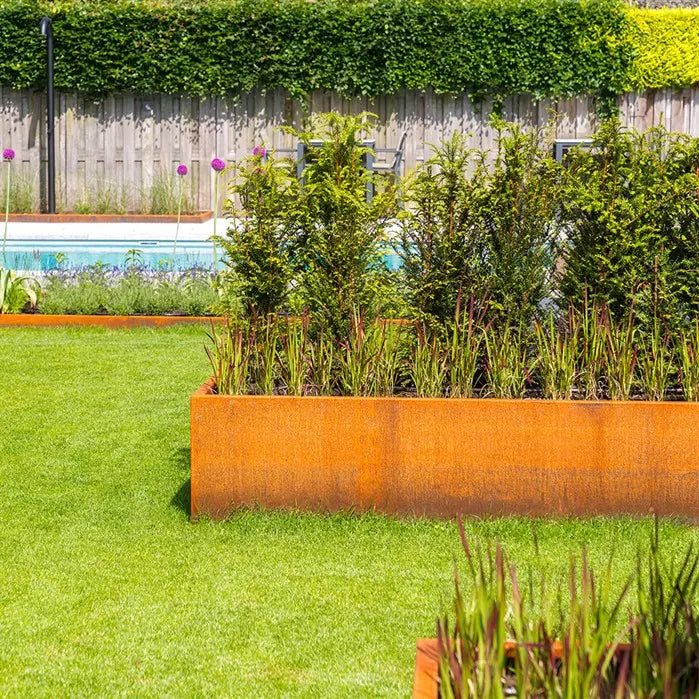
In addition, we address frequently asked questions such as: “Can I make Corten steel rust with vinegar?” or “Is it possible to stop the rust once the desired effect has been achieved?” – because although you you can speed up the process, provided you do want to maintain control over the end result.
Read on and discover step by step how to give your Corten steel the perfect rust layer – faster and more beautiful.
To understand how you can make Corten steel rust faster, it is important to first know how Corten steel rusts. Unlike ordinary steel, which continues to corrode until it is completely decayed, Corten steel forms a stable layer of rust that protects the underlying metals. This process is called passivation and ensures that the material becomes extremely durable. What makes Corten steel unique Corten steel (also known as weathering steel) contains copper, chromium, and nickel. These elements cause the material to begin oxidizing outdoors, but stop rusting over time because a dense, adhesive layer forms. This allows it to last for decades without maintenance.
Natural rust formation can – depending on the climate and exposure – take months to sometimes more than a year. In dry conditions, it proceeds more slowly, while humid air or rain accelerates the process. This is exactly why many people wonder: “How fast does Corten steel rust?” The honest answer: it depends on your environment, but without intervention, it often takes (too) long. Why accelerate rust? For projects where the appearance of the steel is important – such as in a garden or with art – people often want to make Corten steel rust faster to achieve the desired visual effect sooner. Especially upon completion of a garden or exhibition, a uniformly rusted surface is aesthetically more appealing than partially bare steel. Therefore, many designers and DIYers use a rust accelerator, or apply certain methods to speed up the process. Below you can read how that works.
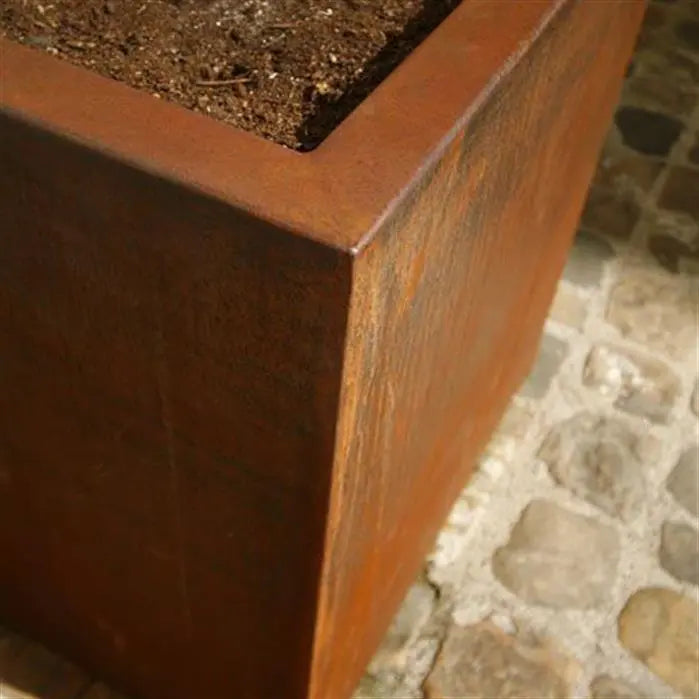
Accelerating the rusting process of Corten steel can be done in various ways, both with home remedies and with professional rust accelerators. Which method works best depends on the desired effect, the type of project, and your own preference.
A commonly used DIY method is applying a mixture of vinegar, salt, and water to the Corten steel. This combination acts as a mild rust accelerator and is easy to apply. Recipe: 1 liter of warm water 100 ml cleaning vinegar 100 ml cleaning vinegar data-end="4159">1 tablespoon table salt
Apply this mixture to the Corten steel using a plant sprayer or sponge. Let it dry and repeat this process several times a day for several days. Within a week, you will notice a rusty patina forming. This method is inexpensive, but requires some repetition and patience.
Do you want a faster and more consistent result? Then a commercial rust accelerator is a better choice. These products have been specially developed to accelerate the rusting process of Corten steel and ensure an even, deep brown oxidation layer within 24 to 72 hours.
Well-known brands include:
Ferrocon
Rust-Effect
OXI Rust Accelerator
These products are easy to apply with a brush, roller, or spray gun. Often, one treatment is sufficient, but multiple layers create a deeper color gradient. Note: always wear gloves and work in a well-ventilated area.
A third method is to let it rust naturally outdoors, but with a few smart adjustments:
Place the Corten steel upright so that rainwater can run over it properly.
Avoid contact with concrete or tiles in the first few weeks to prevent rust stains.
Spray the steel lightly with water daily.
In this way you accelerate the natural process without chemical agents, although it still takes several weeks for a visible result.
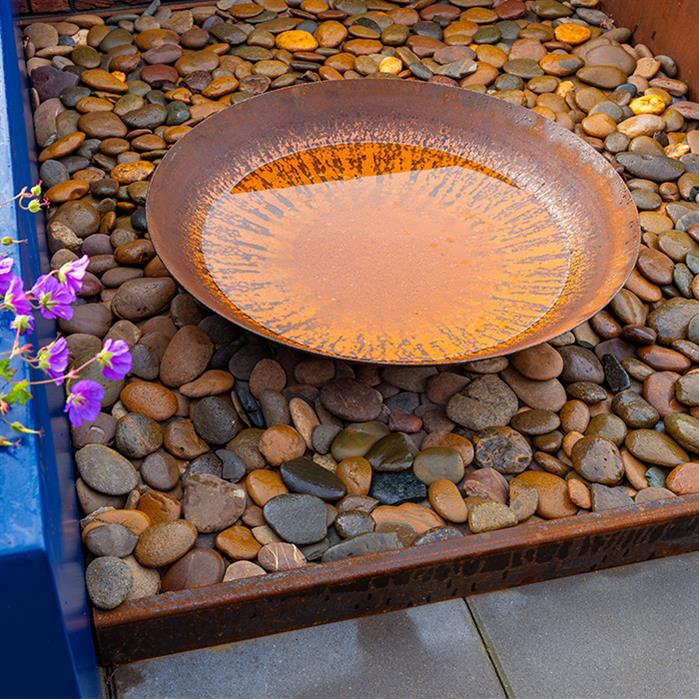
There are special transparent sealers or matte protective layers that you can apply to rusted Corten steel. These products fix the rust and prevent the oxide from spreading or rubbing off further. Examples of this are:
Note: sealing the surface stops the natural process, and the color may change slightly. Therefore, many experts recommend applying this only when the steel is completely dry and the desired color has been achieved.
In many cases, treatment is not necessary, as long as you position the material correctly:
Ensure that rainwater drains away and does not drip onto tiles or stone.
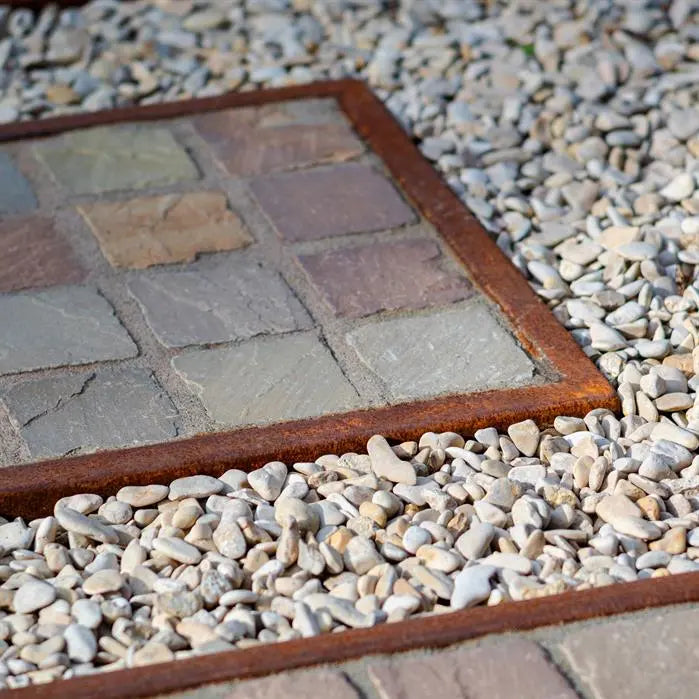
Choose a gravel strip under Corten steel elements.
Use the material in places where rust water will not cause any harm.
By approaching the design smartly, you do not need to interrupt the rusting process and you preserve the natural character of the steel.
1. How fast does Corten steel rust without treatment?
Depending on the weather and environment, it can take several months to more than a year for Corten steel to develop an even layer of rust.
2. Can I make Corten steel rust with vinegar?
Yes, vinegar (in combination with salt and water) accelerates the process by increasing the acidity.
3. What is the best rust accelerator for Corten steel?
Professional products such as Ferrocon or OXI Rust Accelerator give quick results and are suitable for larger surfaces.
4. Can I stop the rusting process?
Yes, by applying a sealer or coating you stop further oxidation and prevent the release of rust water.
5. Is rust accelerator safe for plants and animals?
Always read the product information. Most commercial accelerators are intended for outdoor use and can be harmful if used incorrectly.
Raising Corten steel is a process that takes time, but with the right approach, you can significantly accelerate it. Whether you choose a homemade mixture with vinegar and salt, a rust accelerator from the hardware store, or controlled natural oxidation – there are multiple paths to a beautiful layer of rust. Moreover, you don't have to let the process run its course. You can accelerate the rusting process of Corten steel and stop it later, so that you maintain full control over the appearance of your project. This makes Corten steel not only an aesthetic material but also a particularly versatile choice for gardens, facades, or art. Do you want a sleek, even layer of rust in a short time? Then choose a professional rust accelerator. Would you rather work naturally? Then some vinegar, salt, and patience will get you a long way.