5% off with code HELLO5
Add color to your walls and fences with our versatile wall plants. Whether you want to cover a bare wall with a climbing wall plant or brighten up an old dry stone wall with hanging flowers; at Planten247 you will find the ideal match. Our selection wall plants brings vertical greenery and character to every garden.
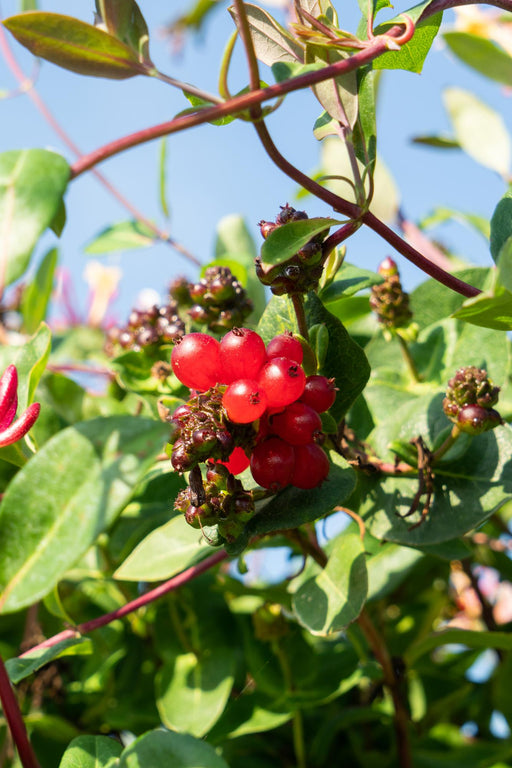
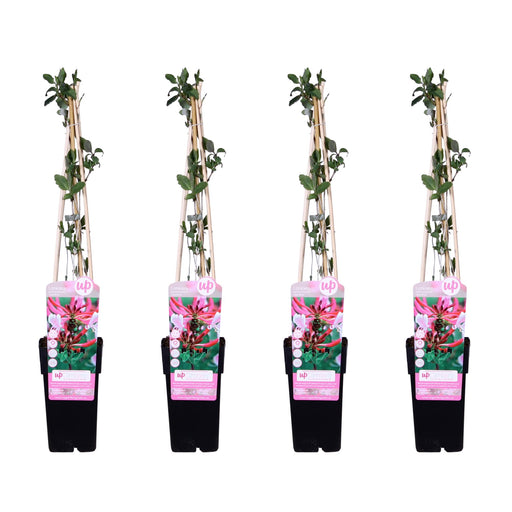
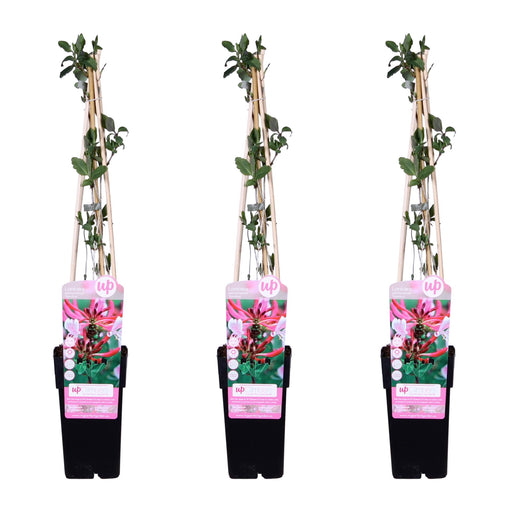
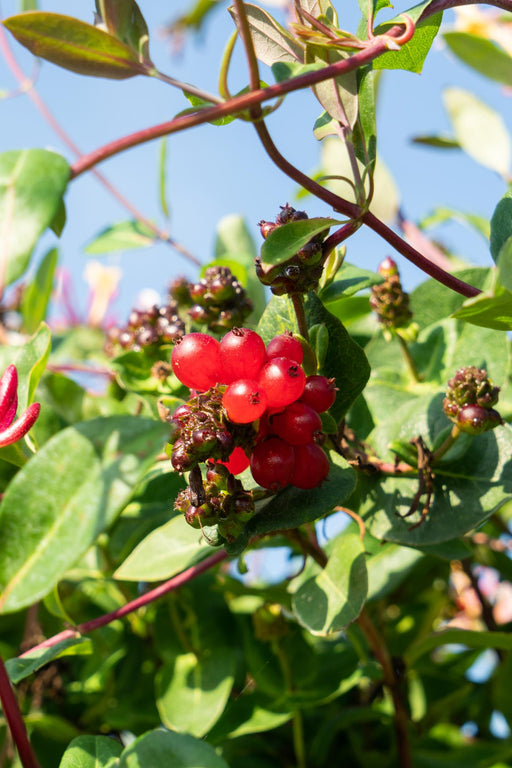
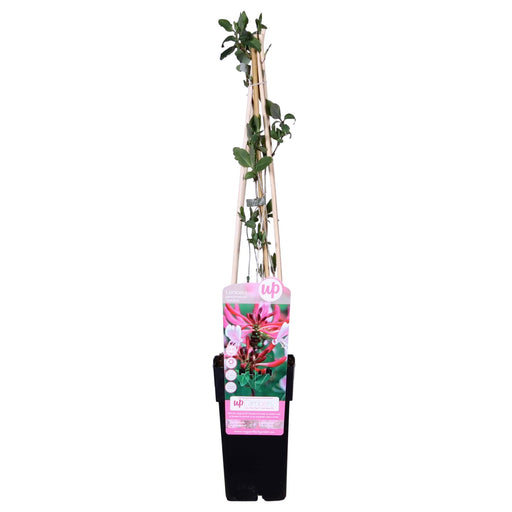
Lonicera periclymenum 'Serotina' is a climbing plant with pink-yellow flowers that have a delightful fragrance, especially in the evening! The leav...
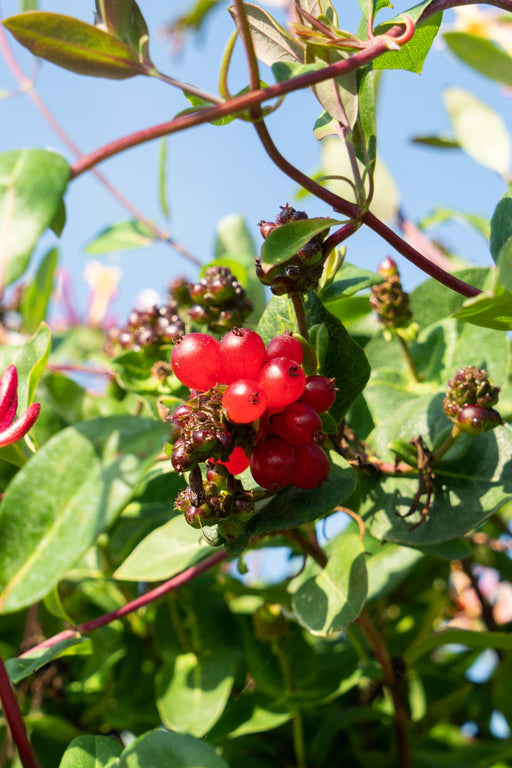
View full detailsAppearance of the plant: Lonicera periclymenum, also known as wild honeysuckle, has beautiful, fragrant flowers that appear in clusters. The flowe...
View full detailsLonicera periclymenum 'Serotina' is a climbing plant with pink-yellow flowers that have a delightful fragrance, especially in the evening! The leav...
View full details Garden plants
Outdoor plants
Patio plants
Large Garden Plants
Garden plants
Outdoor plants
Patio plants
Large Garden Plants
 Garden plants Shade
 Shrubs
 Bougainvillea
 Camelia
 Campanula
 Citrus Australasica
 Citrus Calamodin
 Citrus trees
 Erysimum
 Fargesia Rufa (Bamboo)
 Fruit Trees & Fruit Plants
 Evergreen Shrubs
 Hanging geranium (Pelargonium peltatum)
 Japanese Maple
 Christmas Rose (Helleborus Niger)
 Laurus Nobulis (Laurel)
 Lavender Plants
 Espalier trees
Vegetable Garden Plants
Espalier trees
Vegetable Garden Plants
 Nerium Oleander
 Olive trees
 Olive bush
Yucca Rostrata
Olive bush
Yucca Rostrata
 Butterfly bush (Buddleja davidii)
 Spanish Daisy
 Hydrangea
 Eucalyptus Tree
 Coreopsis (Girl's Eyes)
 Hibiscus
 Conifers
 Forest plants
 Tissue plants
 Rock plants
 Stinzen plants
 Bankside plants
 Underplanting
The category wall plants includes both self-clinging climbers and plants that specifically grow in the cracks of walls. An absolute favorite is the Lesser White-ray (Erigeron karvinskianus), which fills every crevice with its white-pink daisies. The Climbing Hydrangea and the Clematis are also extremely popular choices for vertically greening large surfaces. Are you looking for a wall plant that hangs over the edge of a border or wall? Then the Campanula (Bellflower) or the Yellow Helmet Flower is an excellent option. These wall plants are popular because they take up little space on the ground but have a huge visual impact at eye level.
The biggest advantage of wall plants is making optimal use of available space, which makes them perfect for small city gardens or balconies. Furthermore, a green wall acts as insulation; it keeps out heat in the summer and offers an extra buffer against the cold in the winter. Additionally, a wall plant provides a safe haven and nesting opportunities for birds and beneficial insects. By choosing a mix of different wall plants, you create a living painting that adds depth to your garden. Moreover, they effortlessly camouflage less attractive fences or weathered walls, instantly giving your garden a more luxurious and natural look.
When purchasing a wall plant, it is essential to know how the plant attaches itself. Pay attention to the following points:
Roughly three types of wall plants can be distinguished. First of all, there are the climbers, such as the fragrant Honeysuckle or the classic Climbing Rose, which reach upwards. In addition, there are the 'hangers', such as Creeping Phlox or Aubrieta, which are perfect for planting on top of a wall so that they cascade down. Finally, you have the true rock and wall dwellers; small plants like the Wall Snapdragon that can literally survive in the smallest cracks of an old brick wall. Every wall plant has its own specialty, from evergreen leaves to spectacular flowering periods.
The placement of your wall plant depends on the type. You plant climbing plants at the foot of the wall, digging the planting hole about 30 centimeters away from the wall because the soil there is often drier due to the overhang. Mix the soil with rich planting soil for a good start. For wall plants growing in the joints, you can carefully remove some mortar and push the roots into the crack with a little moist soil. For hanging plants on top of a wall, ensure good drainage so that excess rainwater does not pool at the roots but can run off over the edge.
Caring for wall plants begins with checking their water needs. Because walls often block rain, these plants are dry more often than you might think. Water young plants regularly, in particular. Pruning is important for a wall plant to guide growth and prevent windows or gutters from becoming overgrown. Preferably do this just after flowering. An annual application of organic fertilizer helps the plant retain sufficient energy for vertical growth. With self-clinging varieties, be careful not to simply pull them off the wall; It is better to prune them back short if they get too big.
Do you want to transform your vertical surfaces into a green oasis? Buying wall plants at Planten247 means choosing healthy plants with strong growth potential. We have put together a wide assortment, from fragrant climbers to colorful wall fillers. Whether you have a modern garden with sleek walls or a characteristic garden with old dry stone walls, the right wall plant makes all the difference. Order your favorite specimens easily online and benefit from our fast delivery. Make optimal use of every square meter in your garden and let your walls speak with the beautiful collection from Planten247!
Self-clinging wall plants with adhesive roots, such as ivy, can cause damage to poor mortar if you pull them off the wall. With healthy walls, this risk is small. Do you want to avoid any risk at all? Then choose a wall plant that needs support, such as a Clematis or Climbing Rose, which you attach to a trellis.
For a north- or east-facing wall, the Climbing Hydrangea is the absolute champion. The Hart's Tongue Fern and certain types of Ivy (Hedera) also do excellently in spots with little direct sunlight. These wall plants provide a fresh green appearance in the cooler parts of the garden.
Ensure a good start by planting the roots at an angle towards the wall. Help the wall plant in the beginning by carefully tying or guiding the new shoots in the desired direction. Sufficient water and nutrients in the spring give the plant the growth vigor needed for climbing.
Yes, many wall plants can thrive perfectly well in a spacious pot. Do ensure you use an extra-large pot, as the roots of climbing plants like to reach deep. In a pot, the wall plant does require water and nutrients more frequently, because the supply in the limited amount of soil runs out faster.