5% off with code HELLO5
Terrarium plants are small, low-maintenance plants that are perfect for enclosed or open terrariums. They thrive in humid environments and add a touch of nature to any room. Think of species such as moss, ferns, and mini succulents, which require little care and help create a green, soothing atmosphere in your interior. Also discover: Plant terrarium package
Moss Terrarium – Premium Fresh Moss – 6 pieces (2 bags) Transform your terrarium into a vibrant green paradise with our Premium Fresh Moss, packed ...
View full detailsTerrarium plants are plants that are specially suited for life in an enclosed or semi-open environment, such as a terrarium. These types of plants thrive in humid conditions and often require little space to grow. A terrarium is a small ecosystem environment that mimics the natural habitat of these plants. The advantage of a terrarium is that it requires little maintenance and is a beautiful decorative addition to any interior.
Typical characteristics of terrarium plants are their compactness, the ability to retain moisture, and a preference for indirect light. Examples of commonly used species are ferns, mosses, air plants, and mini succulents. Understanding what terrarium plants are helps you create a sustainable home ecosystem that is both aesthetic and functional.
If you want to set up a terrarium, the choice of plants is of crucial importance. Good plants for a terrarium are small, slow-growing, and love high humidity. A few popular options are:
Keep in mind that the right plant choice also depends on the type of terrarium you use: a closed terrarium offers a humid climate, while an open terrarium is better suited for plants that prefer drier conditions.
By paying attention to this, you ensure that your terrarium plants last a long time and create a healthy environment in your ecosystem.
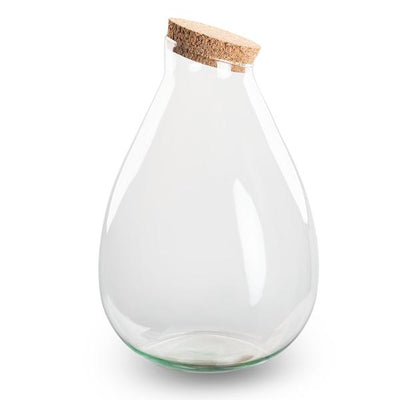
There are different types of terrariums, each with its own benefits and applications. Here are the most common types:
The type of terrarium you choose depends on your taste, the available light, and the plants you want to use. Experiment with different styles to create a unique and personal ecosystem.
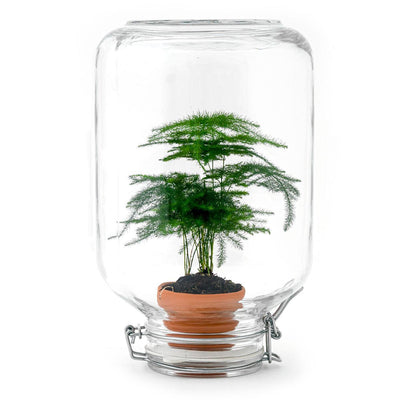
For a closed ecosystem, tropical terrarium plants that love high humidity are the best choice. Think of the Fittonia (mosaic plant), small ferns such as maidenhair fern, or the Calathea. The Coffea arabica and various moss species also do excellently. These individual terrarium plants grow compactly and thrive well in the constant, humid atmosphere of a glass jar.
If you want to design a composition yourself, individual terrarium plants are ideal for maximum creativity. However, for beginners, a terrarium plant kit is recommended. In such a kit, the plants are already carefully matched in terms of growth rate and water requirements. Moreover, complete kits often include necessary extras such as activated carbon and hydro granules, which increases the chance of a successful ecosystem in glass.
This depends heavily on the size of the bottle or jar, but a good rule of thumb is 'less is more'. For an average 5-liter jar, 3 to 4 small terrarium plants are often sufficient. Give the plants room to grow; if the jar is immediately packed full, the risk of mold formation increases. A terrarium kit usually contains exactly the right amount of plants for the corresponding glassware.
In a closed terrarium, the plants create their own climate. After planting, give them a small amount of rainwater once and close the pot. If too much condensation appears on the glass, open the pot for a moment. Otherwise, terrarium plants require hardly any maintenance; they reuse their own moisture and nutrients. Place the terrarium in a bright spot, but never in direct sunlight, otherwise the plants will 'cook' behind the glass.
Brown or yellow leaves on terrarium plants often indicate an imbalance in the ecosystem. Brown, slimy leaves usually indicate excessive humidity or too much water; in that case, leave the pot open for a few days. Yellow leaves can be a sign of too much direct sunlight or a nutrient deficiency in an older terrarium. Remove dead leaves immediately to prevent them from rotting and affecting the healthy plants.
Yes, occasional pruning is necessary to keep your mini-jungle in check. If the leaves start pressing against the glass or one plant overgrows another, you can carefully trim the shoots with long scissors. This encourages the plant to grow more compactly. Slow-growing species are often chosen for a terrarium plant package, meaning you need to intervene less often and the design remains beautiful for longer.
At Planten247, you can easily buy the perfect terrarium plants. We offer a wide range of plants that have been specially selected for use in terrariums. Why choose us?
Whether you are a beginner or an experienced terrarium enthusiast, at Planten247 you will find everything you need to create a beautiful and healthy terrarium. Order your terrarium plants today and bring a piece of nature into your home!