5% off with code HELLO5
Enrich your pond edge with our beautiful marginal plants. A strong marginal plant not only forms a natural transition between garden and water, but also helps purify the pond. Our selection marginal plants offers color, structure, and a safe haven for aquatic life. Discover the best varieties for your wet garden zones at Planten247.
Polypodium vulgare is an evergreen, robust fern with glossy green, feathery leaves that provide a natural and soft appearance. This species is idea...
View full detailsPolystichum setiferum ‘Herrenhausen’ is an elegant, evergreen fern with glossy dark green foliage and fine, graceful leaves that give an airy, soft...
View full detailsThe Asplenium scolopendrium, better known as hart's tongue fern, is a special and elegant evergreen fern with glossy, elongated leaves that immedia...
View full detailsDryopteris filix-mas, better known as the Male Fern, is a vigorous and classic fern with fresh green, finely cut leaves that give the garden a lush...
View full detailsSymphytum grandiflorum ‘Wisley Blue’ is a strong, ground-covering perennial with large, rough green foliage and striking, soft blue flowers that ap...
View full detailsSymphytum grandiflorum is a strong, fast-growing perennial with large, rough green leaves and striking, creamy yellow to light yellow flowers that ...
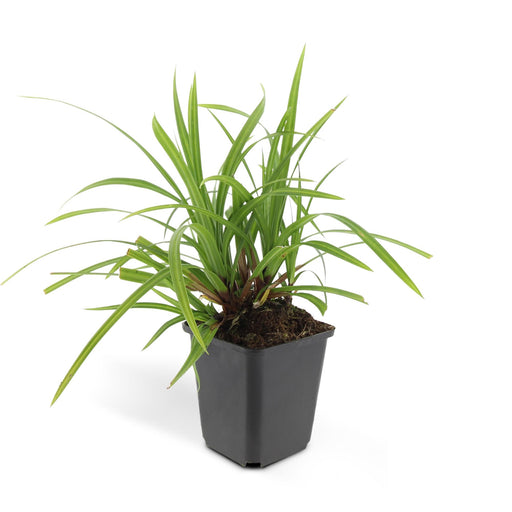
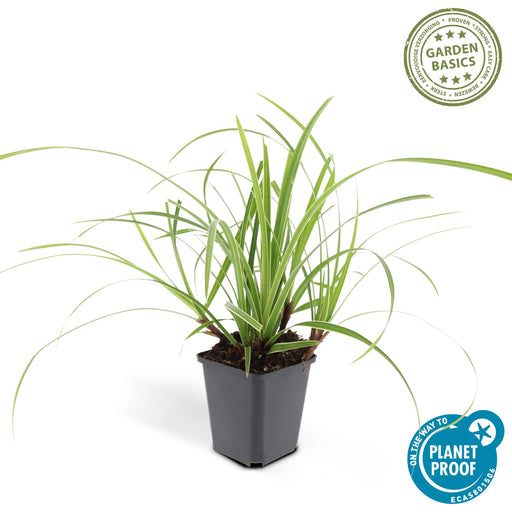
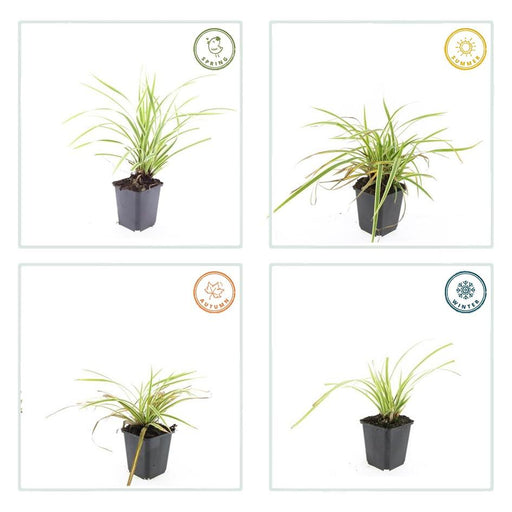
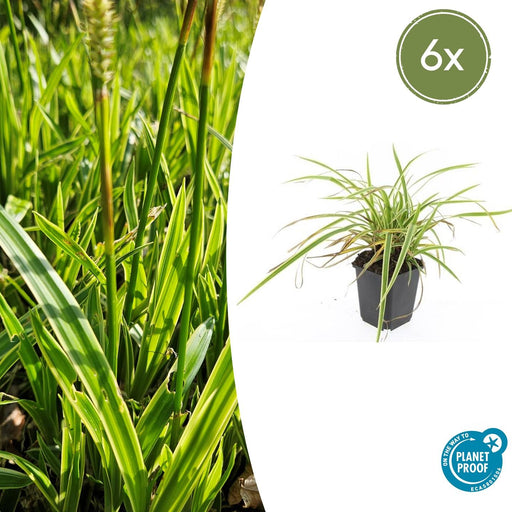
View full detailsCarex morrowii, also known as Japanese sedge, is an evergreen ornamental grass with a beautiful, elegant appearance. The fine, cascading foliage fo...
View full detailsLythrum salicaria, also known as loosestrife, is a vigorous, upright-growing perennial with long flower spikes full of bright pink to purple flower...
View full detailsPersicaria bistorta ‘Superba’ is a robust and profusely flowering perennial with fresh green foliage and striking, deep pink to purplish-red flower...
View full detailsPersicaria bistorta is a strong, perennial plant with grey-green foliage and striking, cylindrical flower spikes that bloom from late spring to mid...
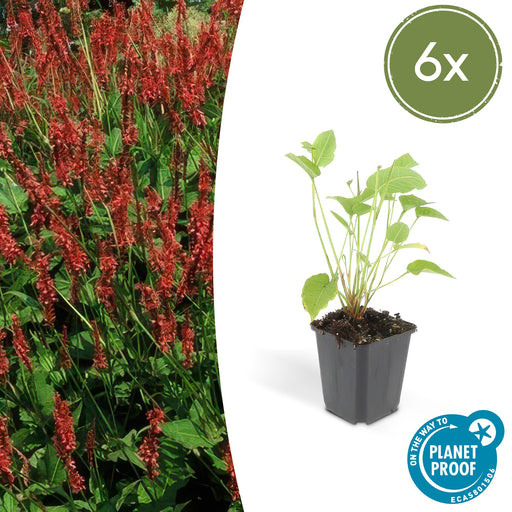
View full detailsPersicaria amplexicaulis ‘Speciosa’ is a vigorous and long-flowering perennial with fresh green foliage and beautiful, deep red flower spikes that ...
View full detailsPersicaria amplexicaulis ‘Blackfield’ is a vigorous and long-flowering perennial with fresh green foliage and striking, deep red to wine-red flower...
View full detailsPersicaria amplexicaulis ‘Alba’ is a strong, long-flowering perennial with fresh green foliage and graceful, pure white flower spikes that bloom fr...
View full detailsThe **Persicaria amplexicaulis** is a robust perennial that blooms from July to the end of September with beautiful red plumes. It is easy to maint...
View full detailsCarex morrowi 'Irish Green' is a versatile, evergreen ground cover that requires little maintenance. It grows effortlessly in almost any location a...
View full detailsCarex morrowii ‘Ice Dance’ is the ideal, low-maintenance ground cover for any garden. This evergreen ornamental grass-like plant grows quickly and ...
View full detailsCarex morrowii 'Aureovariegata', also known as variegated sedge, is an evergreen ornamental grass that adds charm to shady spots in the garden. The...
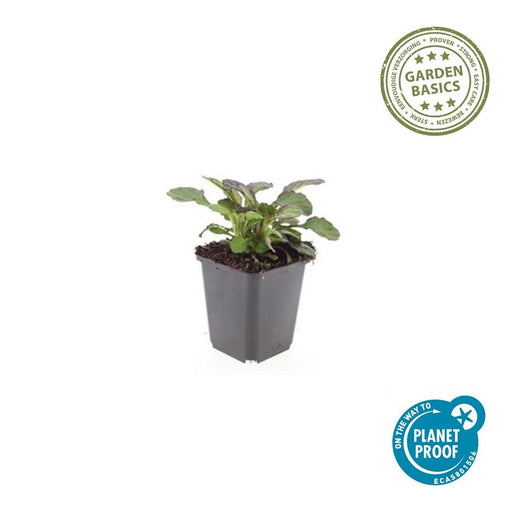
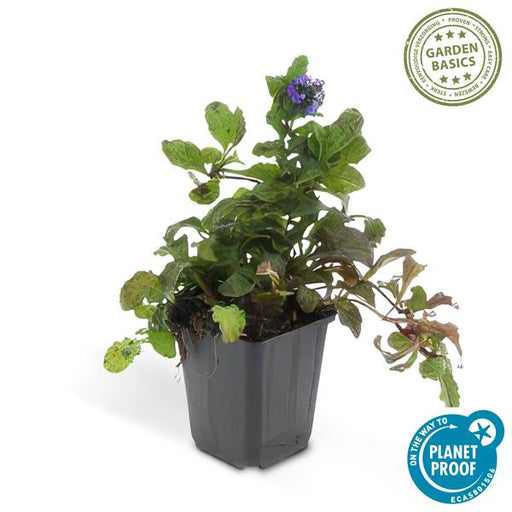
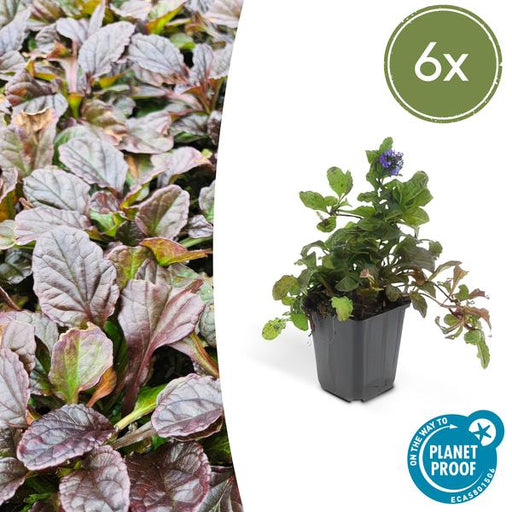
View full details**Ajuga reptans (Creeping Bugle)** is the ideal ground cover for your garden! This attractive plant grows low and fast, with beautiful leathery lea...
View full detailsBring life to your garden with Ajuga reptans 'Catlin's Giant'! This beautiful ground cover is known for its large, glossy leaves that are a beautif...
View full details**Ajuga reptans (Creeping Bugle)** is the ideal ground cover for your garden! This attractive plant grows low and fast, with beautiful leathery lea...
View full details Garden plants
Outdoor plants
Patio plants
Large Garden Plants
Garden plants
Outdoor plants
Patio plants
Large Garden Plants
 Garden plants Shade
 Shrubs
 Bougainvillea
 Camelia
 Campanula
 Citrus Australasica
 Citrus Calamodin
 Citrus trees
 Erysimum
 Fargesia Rufa (Bamboo)
 Fruit Trees & Fruit Plants
 Evergreen Shrubs
 Hanging geranium (Pelargonium peltatum)
 Japanese Maple
 Christmas Rose (Helleborus Niger)
 Laurus Nobulis (Laurel)
 Lavender Plants
 Espalier trees
Vegetable Garden Plants
Espalier trees
Vegetable Garden Plants
 Nerium Oleander
 Olive trees
 Olive bush
Yucca Rostrata
Olive bush
Yucca Rostrata
 Butterfly bush (Buddleja davidii)
 Spanish Daisy
 Hydrangea
 Eucalyptus Tree
 Coreopsis (Girl's Eyes)
 Hibiscus
 Conifers
 Forest plants
 Tissue plants
 Rock plants
 Wall plants
 Stinzen plants
 Underplanting
Among the most popular marginal plants are species that love constantly moist soil. The Yellow Iris (Iris pseudacorus) is an absolute classic, known for its sword-shaped leaves and radiant flowers. Meadowsweet and the iconic Marsh Marigold are also very popular choices for the pond edge. For those who love color, Purple Loosestrife (Lythrum salicaria) is an excellent marginal plant that rises above the water in the summer with purple flower spikes. These species are so popular because they are robust, bloom beautifully, and form an indispensable part of a healthy aquatic ecosystem in the garden.
The greatest benefit of marginal plants is their filtering effect. They absorb excess nutrients from the water, which helps to prevent algal blooms and keep the pond clear. In addition, dense bank plants provide shelter for frogs, salamanders, and dragonflies. Furthermore, the roots of these plants reinforce the pond edge and prevent erosion. Another major advantage is the aesthetic value; a good mix of bank plants masks the often less attractive edges of pond liner or plastic containers, allowing your pond to blend seamlessly into the rest of your green garden.What to look for when buying bank plants?
When selecting the right bank plant, water depth is the most important factor. Pay specific attention to the following points:
The best place for a marginal plant is the shallow edge zone of the pond. Preferably use pond baskets; this prevents the plants from overgrowing the entire pond and makes maintenance easier. Fill the basket with special pond soil and cover it with a layer of gravel or chippings to prevent the soil from washing away. Place the marginal plant at the correct depth as indicated on the label. Do you not have a pond but a soggy patch of ground in the garden? Then you can plant these plants directly in the open ground, provided it remains moist all year round.
Caring for marginal plants is relatively simple. In the autumn, you can cut away dead plant remains to prevent this material from sinking into the pond and rotting, which can affect water quality. In the spring, you can thin out or divide the marginal plant if it has become too large for its basket. Because they obtain their nutrients directly from the pond water or mud, extra fertilization is usually not necessary. However, during hot summers, ensure that the water level does not drop too low, so that the roots of your marginal plants do not dry out completely.
Do you want to transform your pond into a lively centerpiece of the garden? Buying Area plants at Planten247 means choosing healthy, strong plants that contribute directly to the balance of your pond water. Our assortment is carefully curated with species that are both visually appealing and functional. Every area plant from our nursery is ready to be planted immediately. Order easily online and benefit from our fast home delivery. Complete your pond edge and enjoy a natural transition between land and water with the Planten247 collection!
The terms are often used interchangeably. In practice, an area plant is often a plant that stands on the moist boundary between land and water, whereas marsh plants can often actually survive with their roots in a layer of water (up to approx. 15-20 cm). However, many species are suitable for both zones.
Yes, absolutely! A healthy population of marginal plants competes with algae for the same nutrients (such as nitrates and phosphates). The more nutrients the plants absorb, the less is left for the algae to grow on, resulting in clearer pond water.
Most native species such as Yellow Iris, Marsh Marigold, and Purple Loosestrife are excellently hardy. They die back above ground in the winter, but the roots survive underwater or in moist soil and sprout vigorously again in the spring.
The ideal time for planting a marginal plant is spring (April-June). The water then begins to warm up, allowing the plants to immediately experience a growth spurt and establish good roots before winter sets in.