


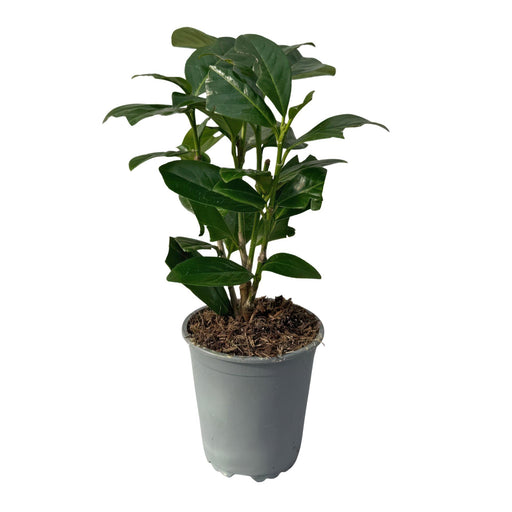
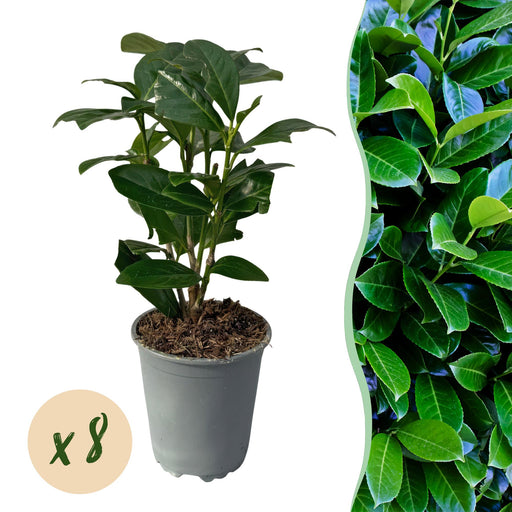
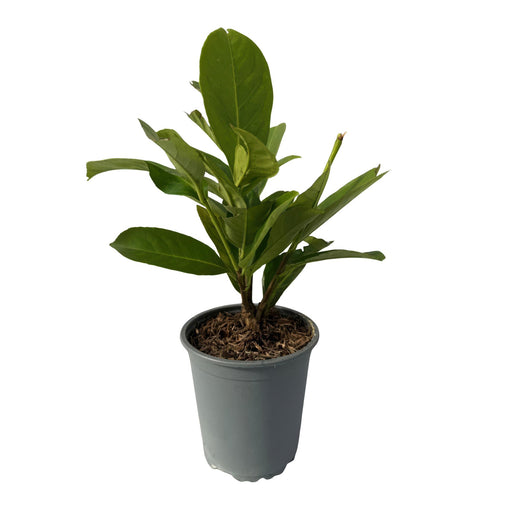
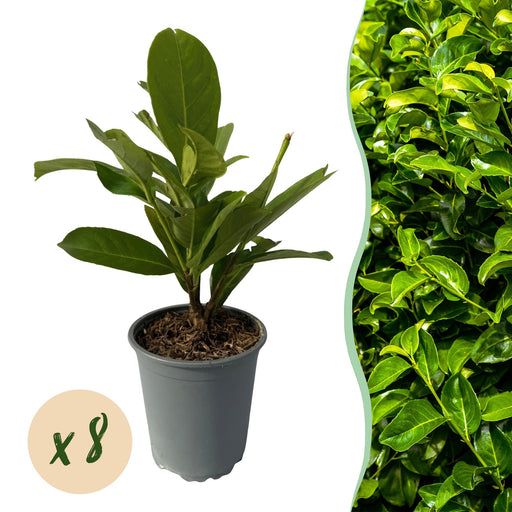


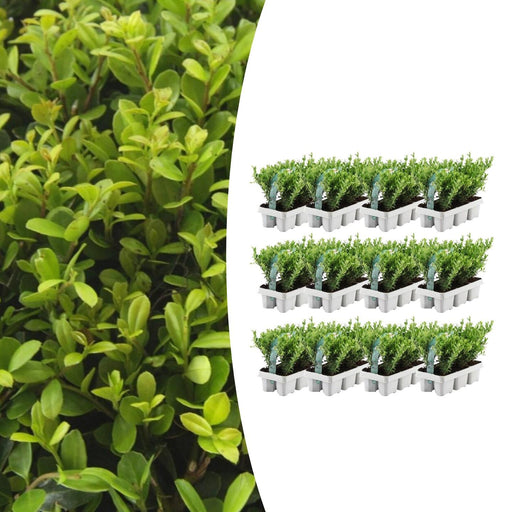

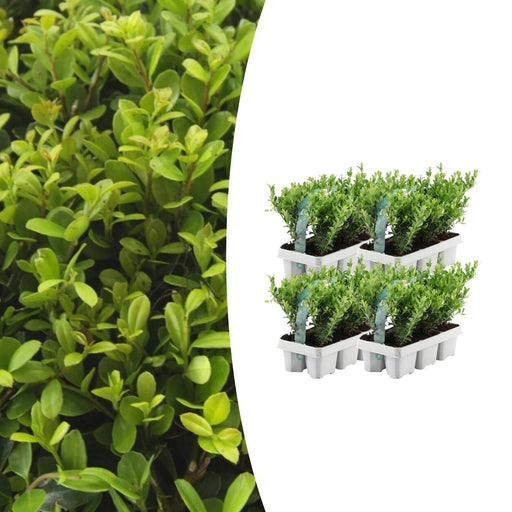


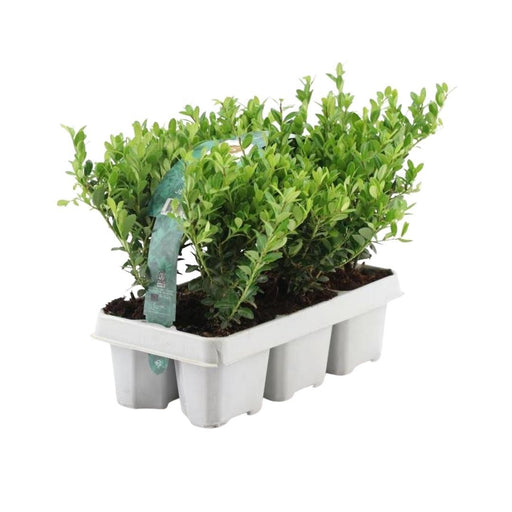
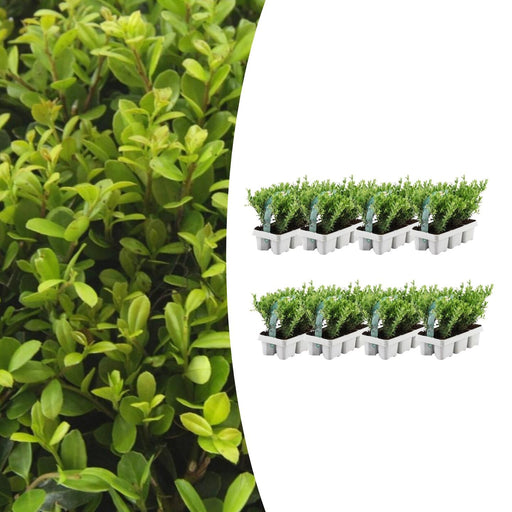










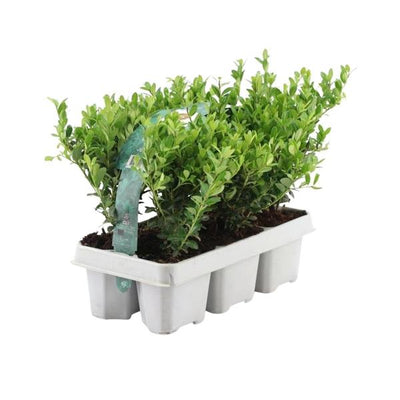


Hedge plants: The natural and lively boundary
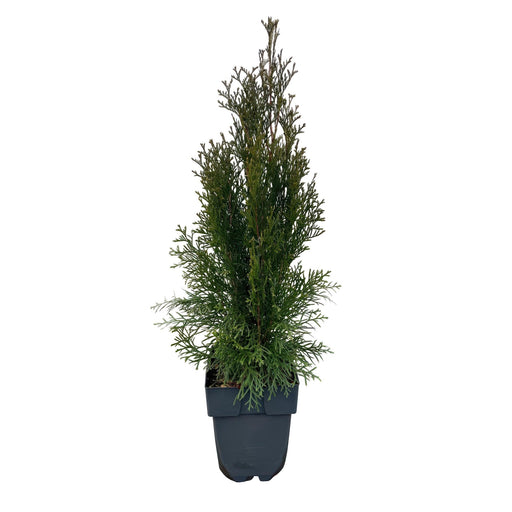
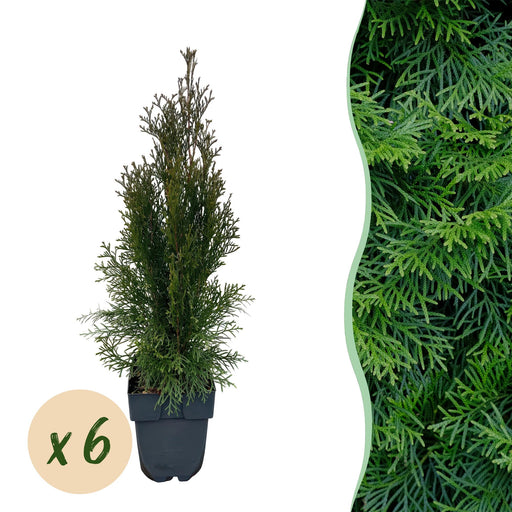
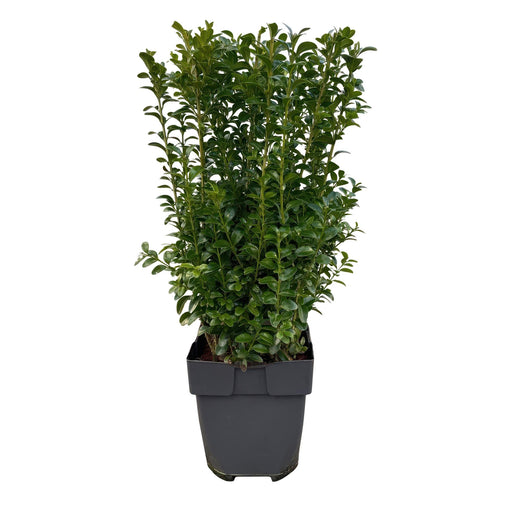
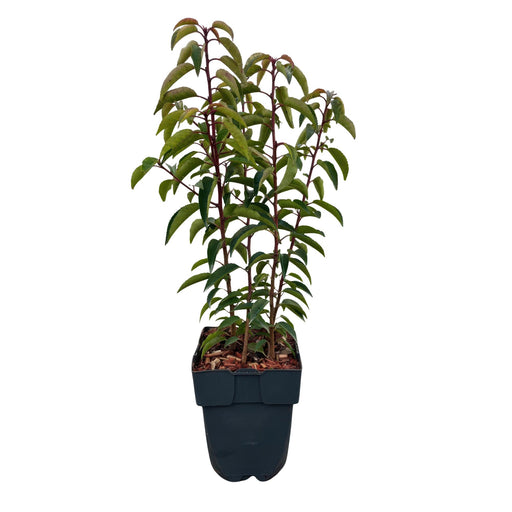
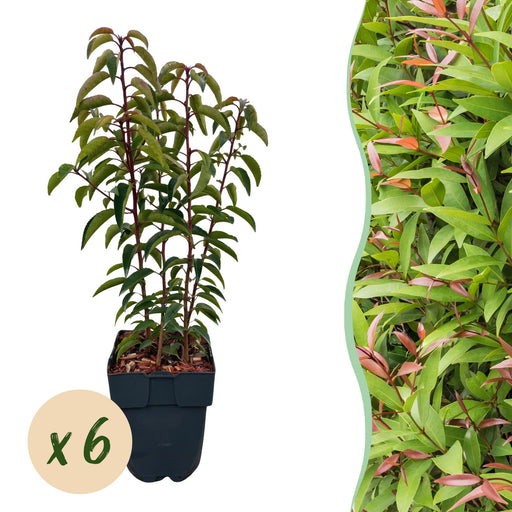
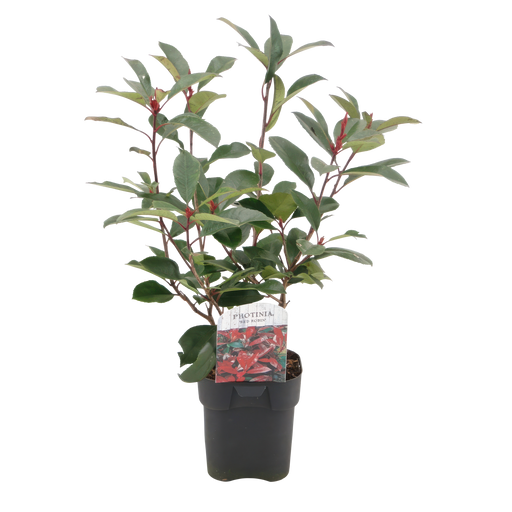
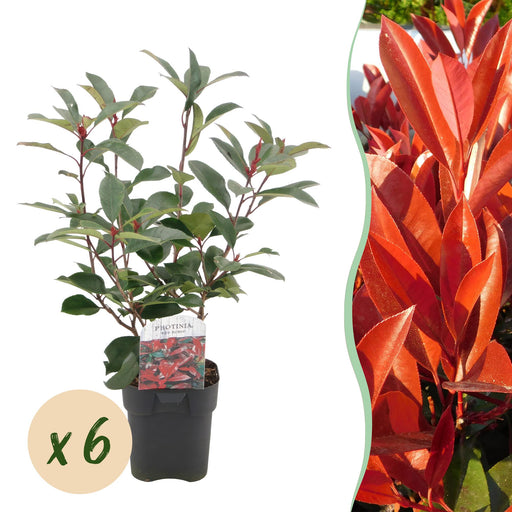
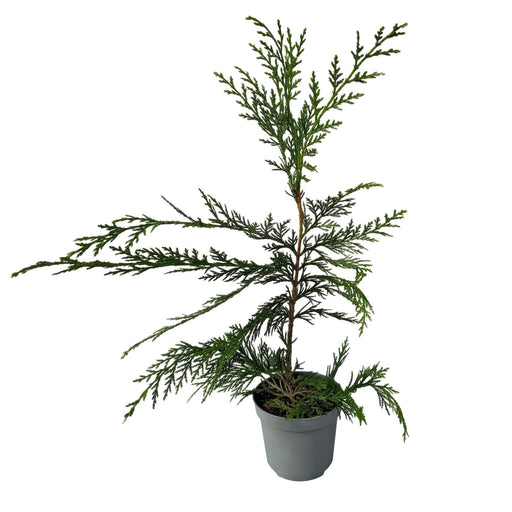
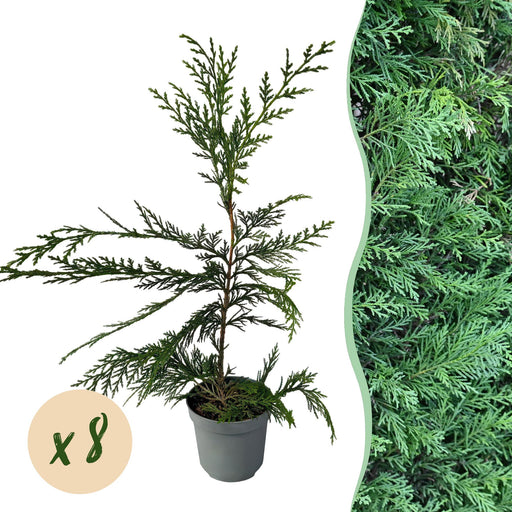
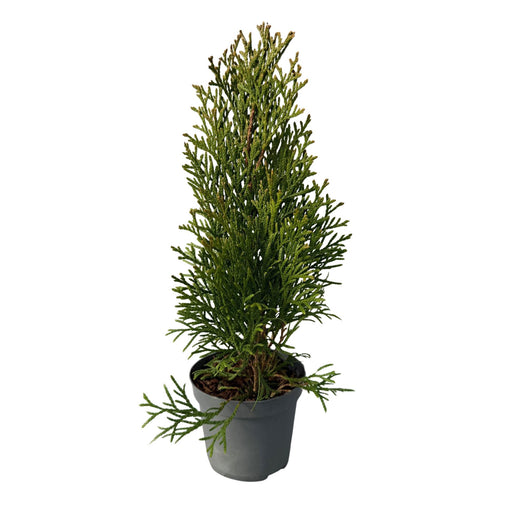
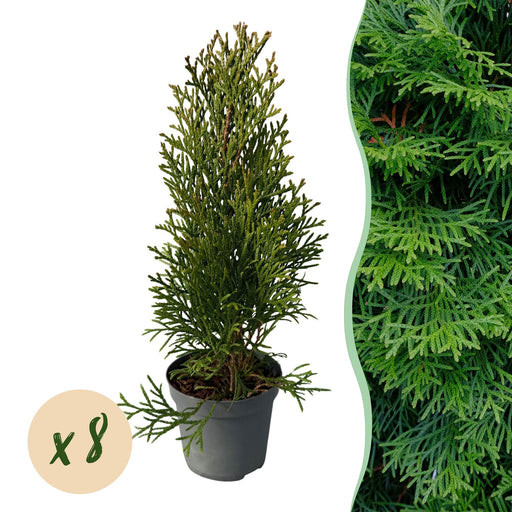
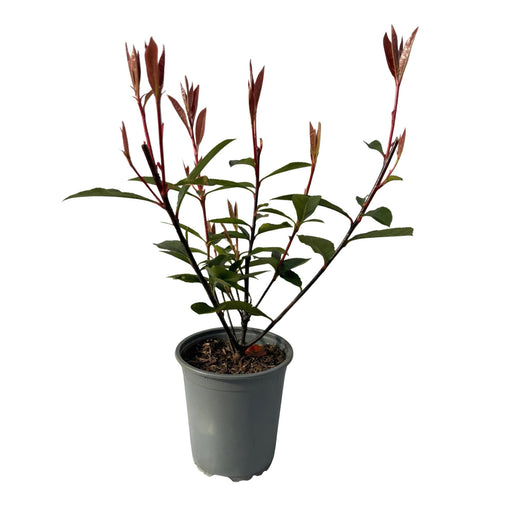
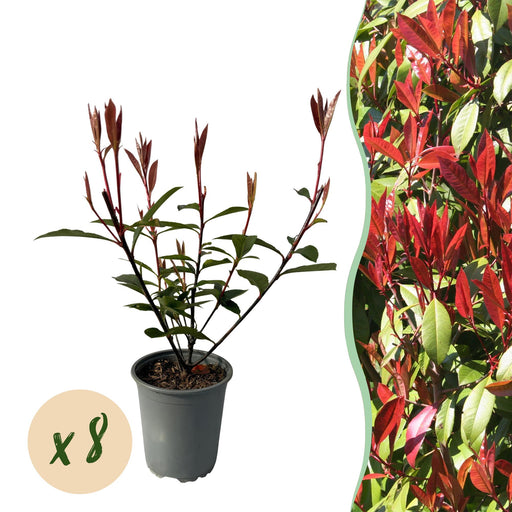
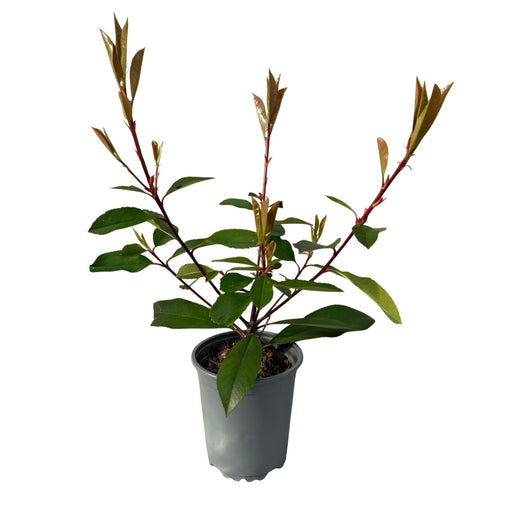
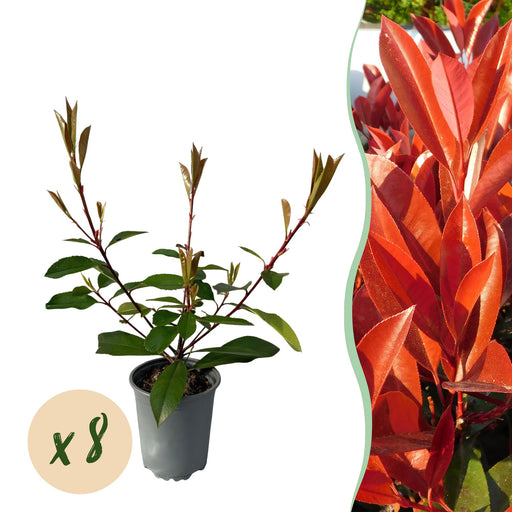
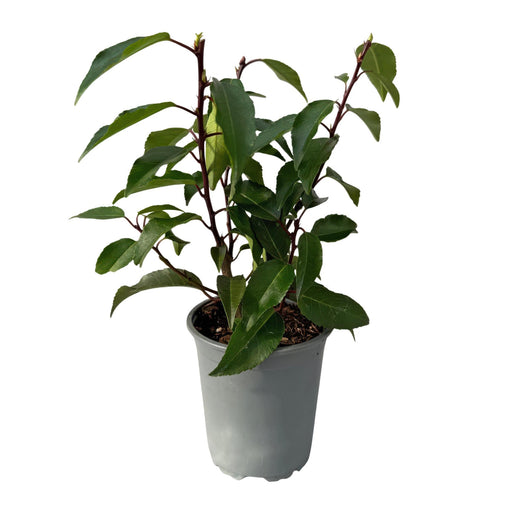
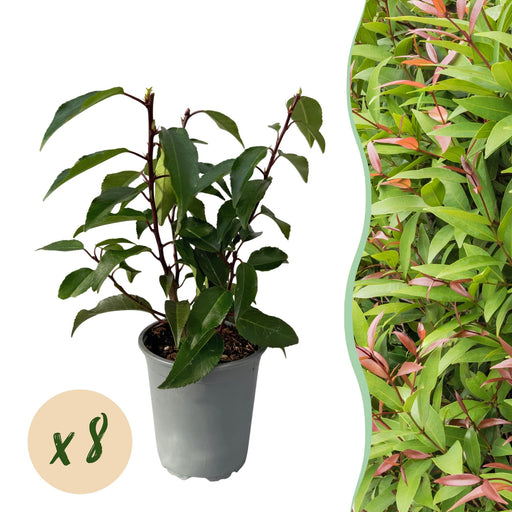
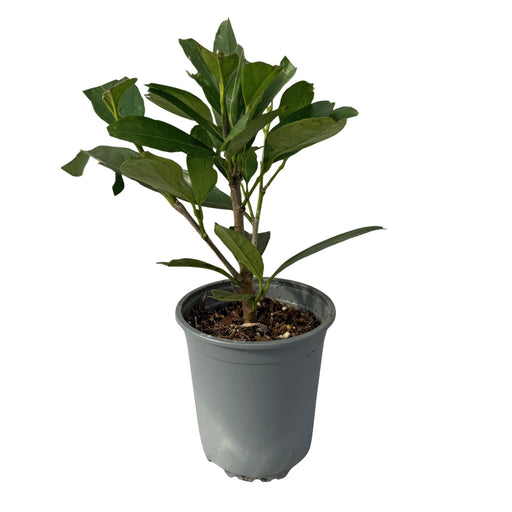
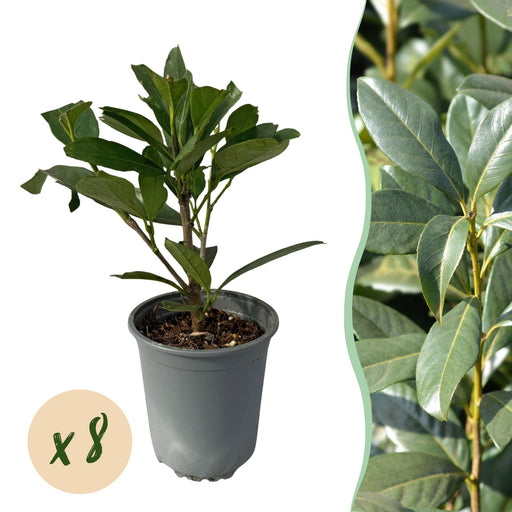
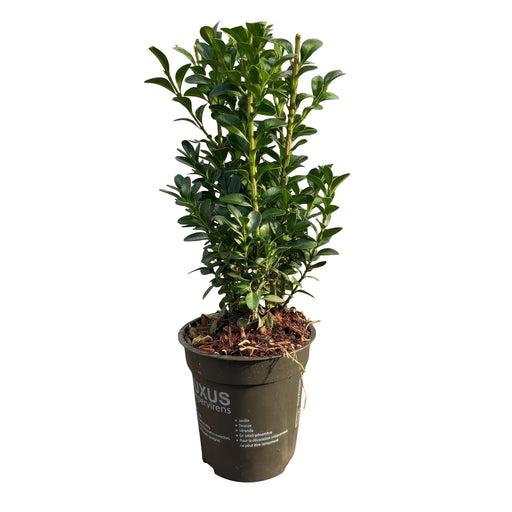
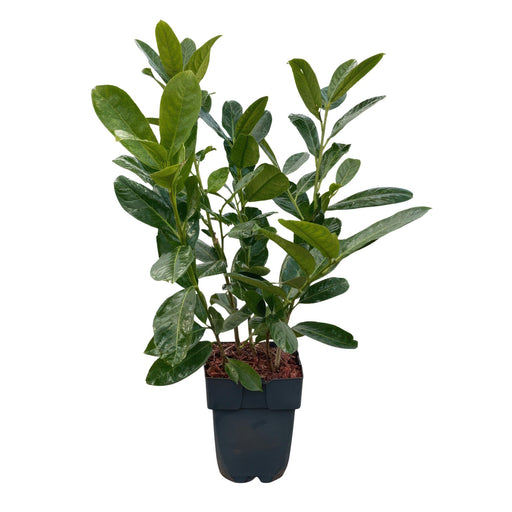
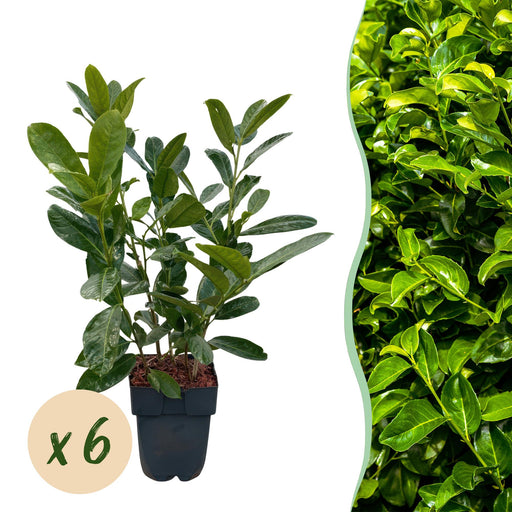
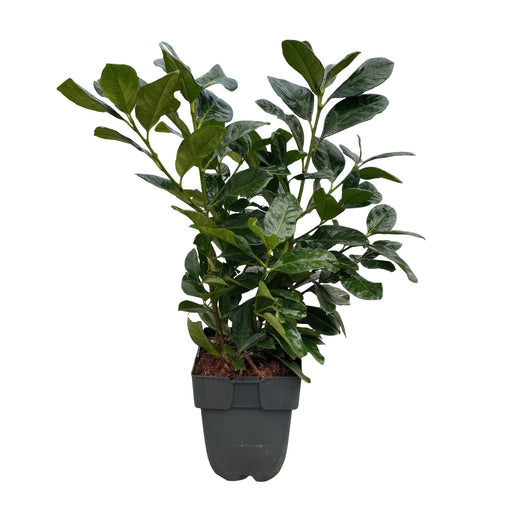
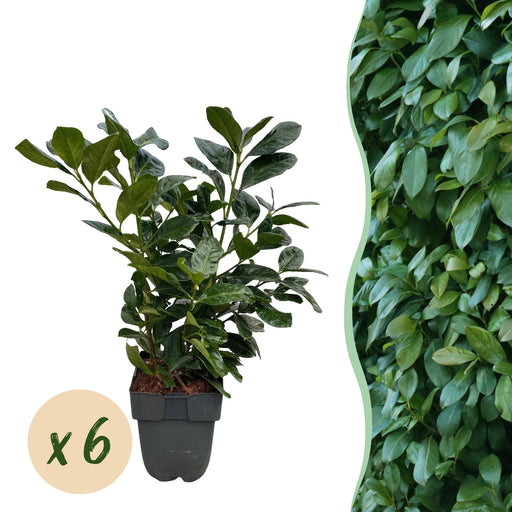
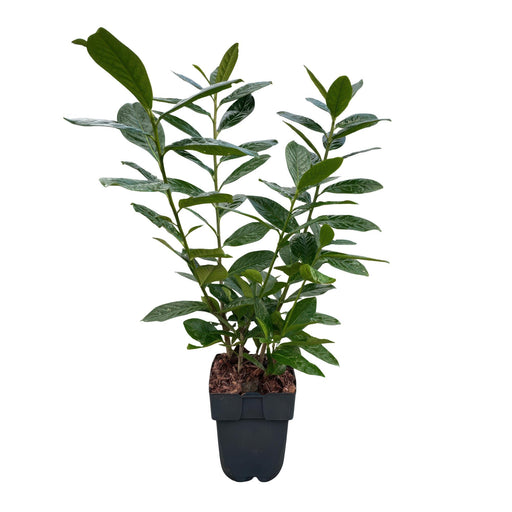
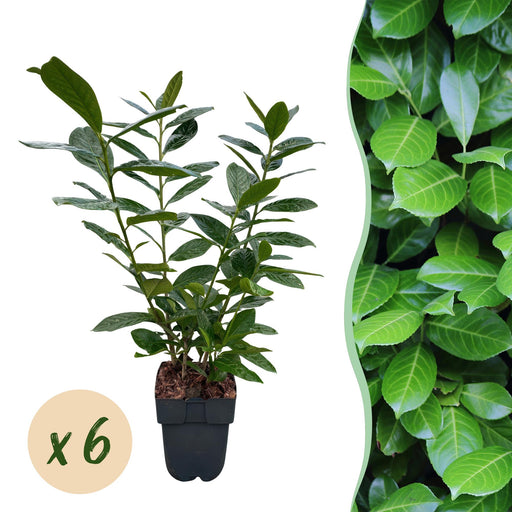
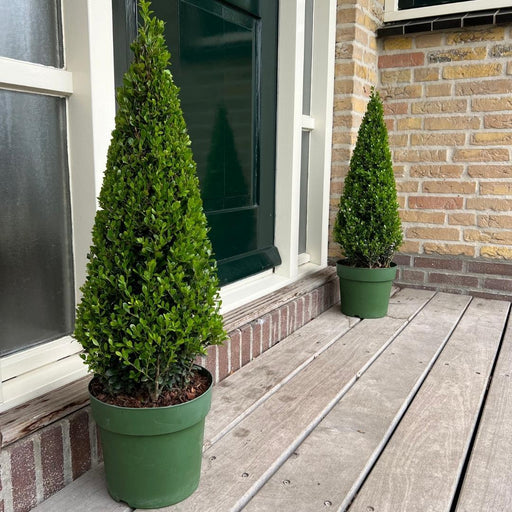
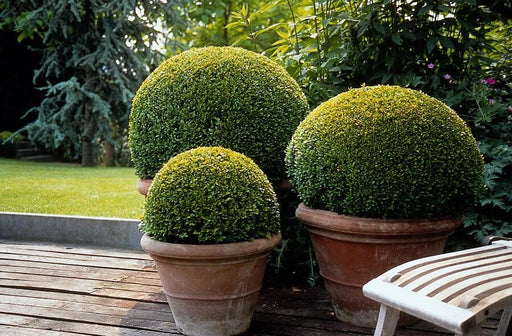
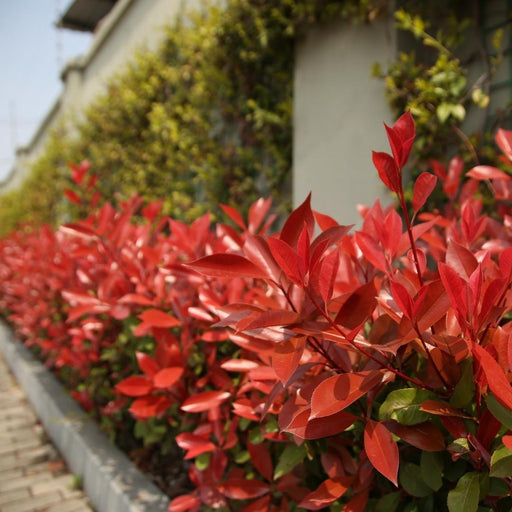
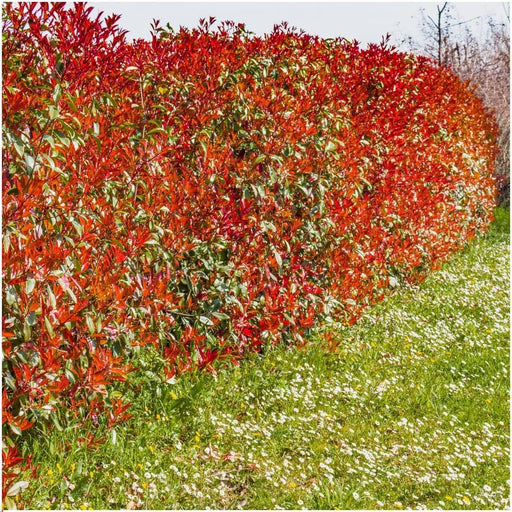
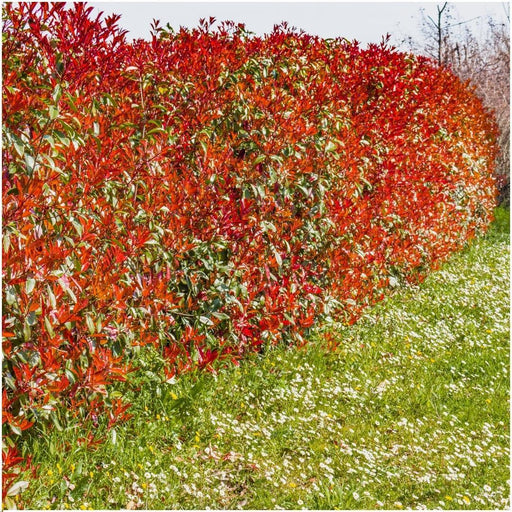
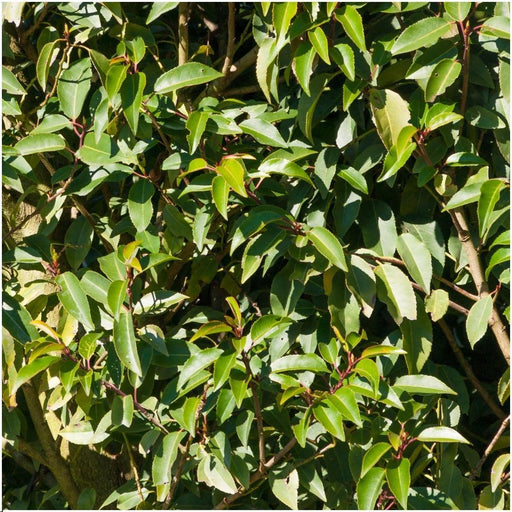
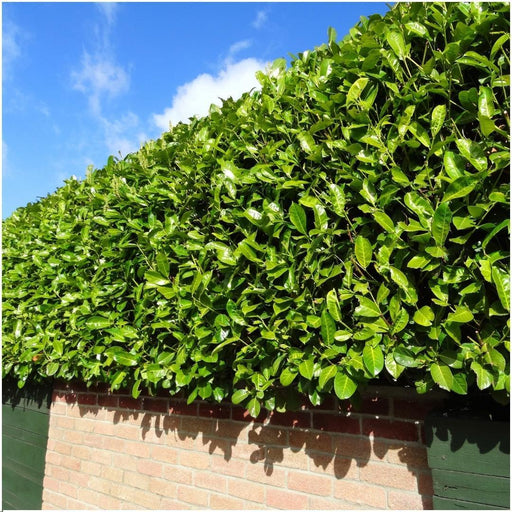
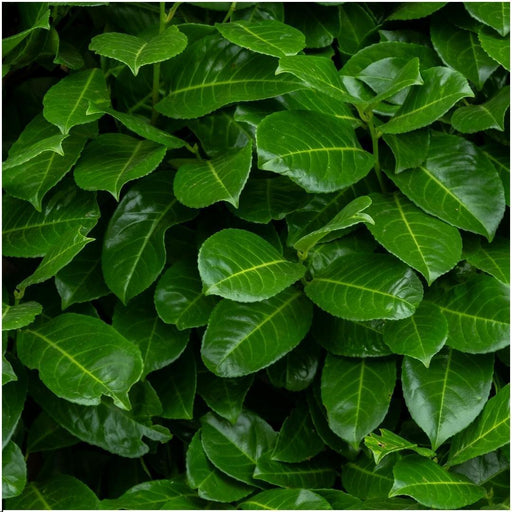
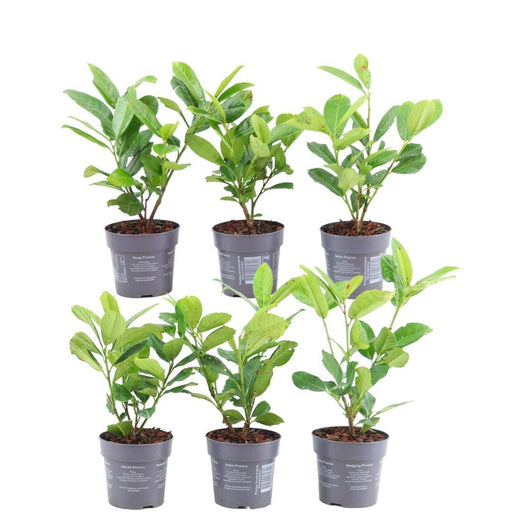
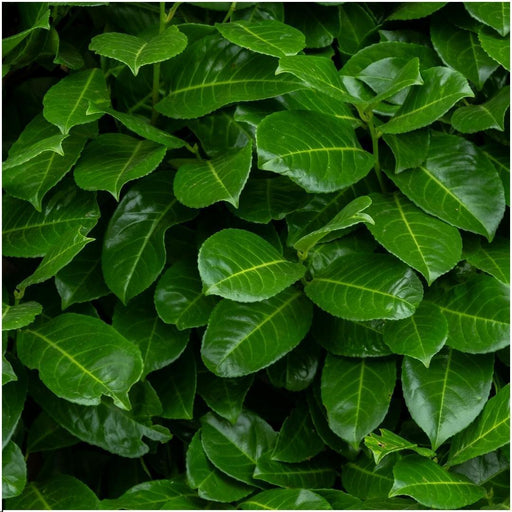
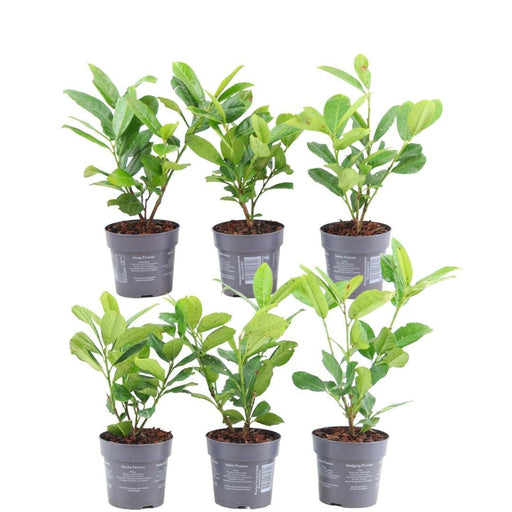
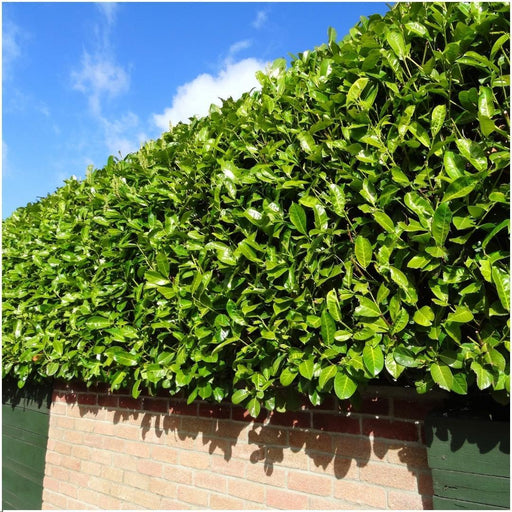
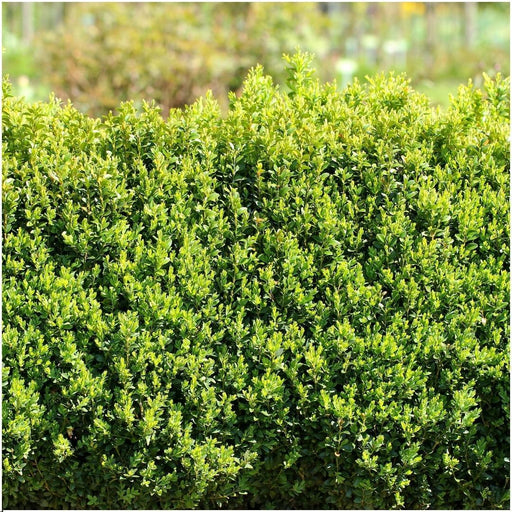
Do you want more privacy in your garden and at the same time contribute to biodiversity? Hedge plants are the perfect green alternative to a fence or wall. Whether you choose a sleek, evergreen hedge or a mixed bird hedge, plants immediately bring atmosphere and structure to your outdoor space. From the classic beech hedge to the popular laurel; with the right hedge you create a natural windbreak and a safe haven for garden birds.
Frequently asked questions about hedge plants
What is the difference between an evergreen and a deciduous hedge?
An evergreen hedge (such as Yew, Holly, or Laurel) retains its green color all year round and therefore offers complete privacy even in winter. A deciduous hedge (such as hawthorn or hornbeam) loses its leaves in autumn, but often offers stunning coloration throughout the seasons. The beech hedge (Fagus sylvatica) occupies a unique intermediate position: the leaves wither in the autumn, but remain on the branches until the new shoot in the spring, ensuring that you have hardly any visibility through it even in the winter.
How many hedge plants do I need per linear meter?
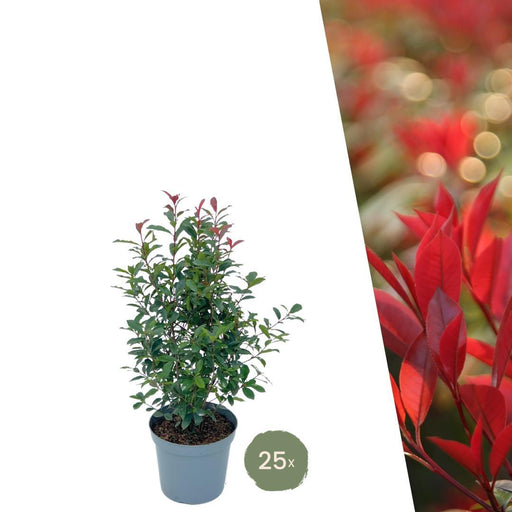
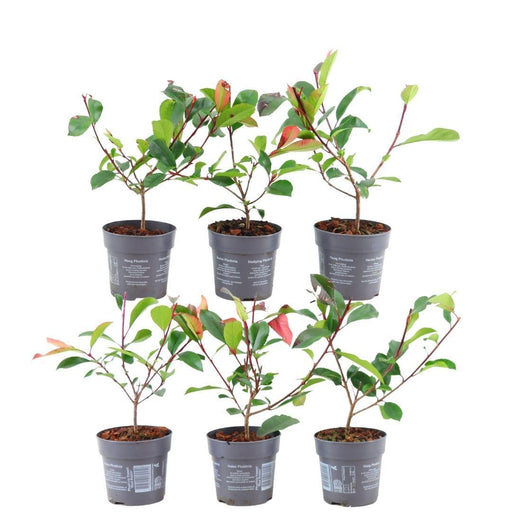
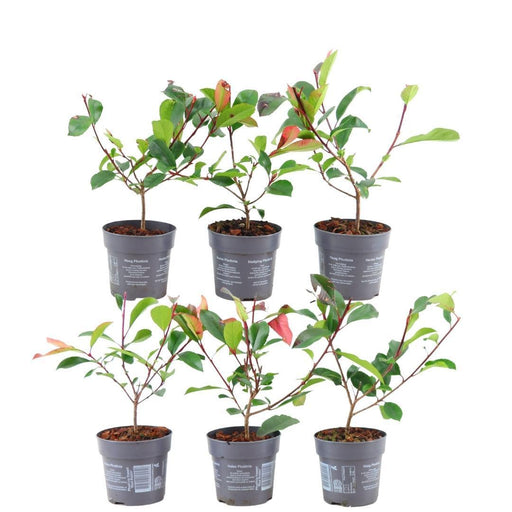
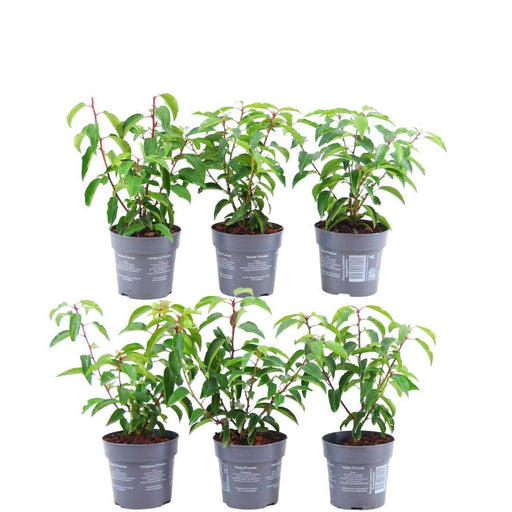
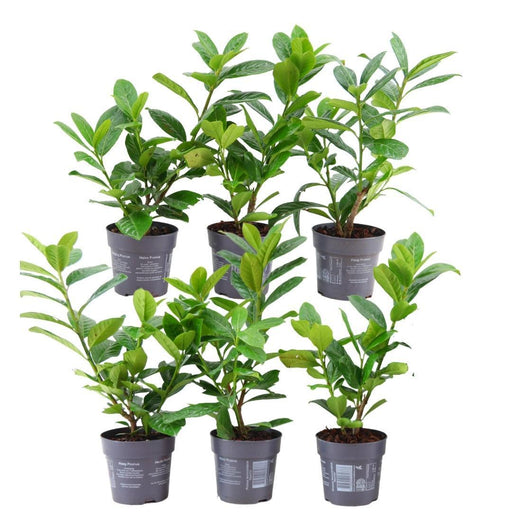
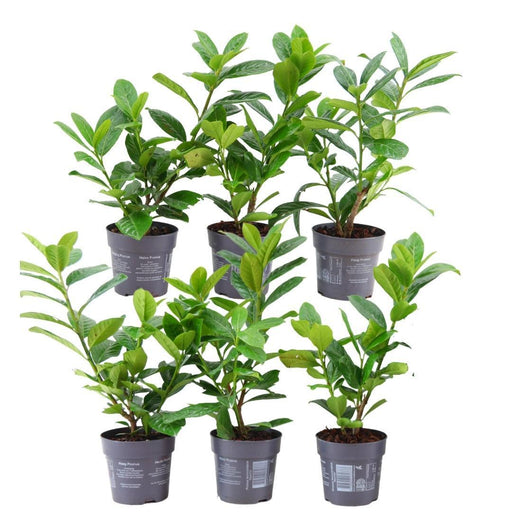
The number of plants per meter depends on the size of the plants at the time of purchase and the desired density. For a young beech hedge, we often calculate 5 to 7 plants per linear meter. For larger, mature plants such as the cherry laurel, you often only need 2 or 3 per meter. For an extra fast-growing, dense hedge, you can choose to plant the plants in a double row (zigzag).
When is the best time to plant a new hedge?
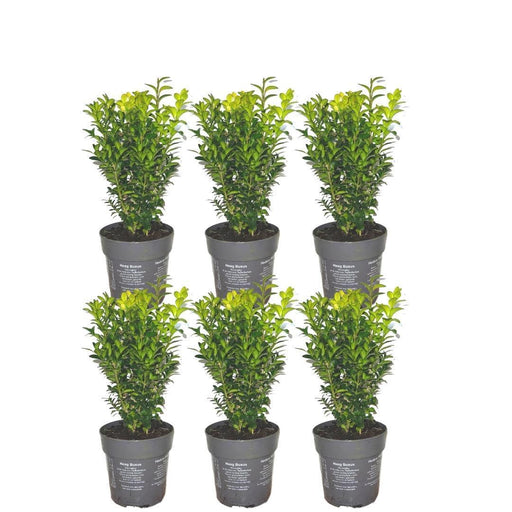
The ideal planting time for bare-root hedge plants is during the plants' dormancy period, between November and April (provided it is not freezing). Plants grown in pots can, in principle, be planted all year round, provided you give them sufficient water in the summer. Autumn is often preferred, because the soil is still warm then and the roots can establish themselves well before winter.
How do I maintain my hedge for a neat result?
Regular pruning is essential for a full and dense hedge. Most hedges only need two pruning sessions per year: one around the longest day (June 21) and a second session in late summer (August/September). Preferably use sharp hedge shears and prune the top of the hedge slightly narrower than the bottom; this way, the underside of the hedge plant also receives sufficient sunlight.
Are there also hedge plants suitable for a narrow garden?
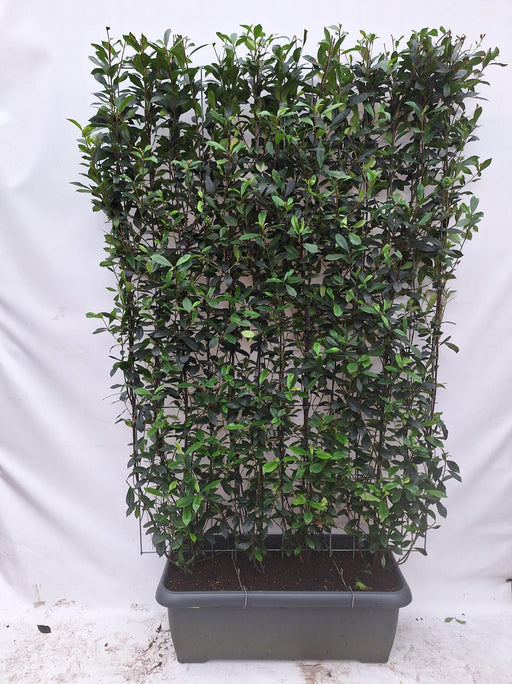
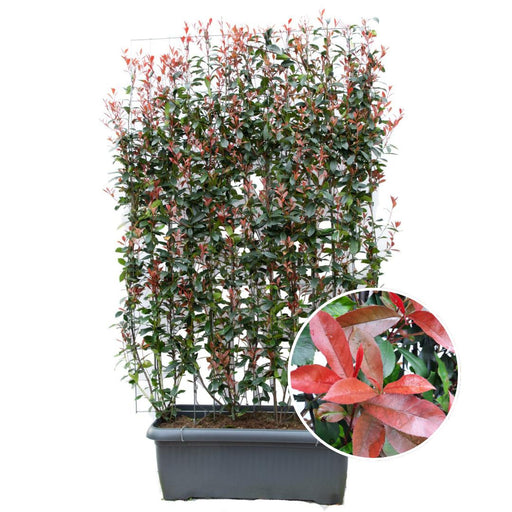
Absolutely! For a small garden, plants that can be kept narrow easily are ideal. The Taxus baccata and the Hornbeam (Carpinus betulus) grow compactly and can be pruned very narrowly without the hedge becoming bare. Also ready-made hedges on a metal trellis (such as ivy/Hedera) are an excellent choice when you want an immediate green divider that takes up hardly any space.
How do I stimulate the growth of my new hedge?
A good start begins with the soil. Improve the soil in the planting trench with special planting soil or compost. This immediately stimulates root growth. Water regularly during the first year after planting, especially during dry periods. Additionally, a layer of tree bark at the base of the hedge helps to retain moisture better in the soil and suppresses weeds between the young plants.
Buy Hedge Plants at Planten247
Are you looking for hedge plants for your garden? At Planten247, you will find an extensive selection of hedge plants, including native, evergreen, and flowering varieties. Whether you are looking for a hedge for privacy, as a windbreak, or for decoration, at Planten247 you will find the right hedge plants for your garden. View our range and easily order the perfect hedge plants online!


