5% off with code HELLO5
Ground covers are a fantastic addition to any garden. They not only provide a green carpet covering the soil, but also help suppress weeds, protect the soil from erosion and water loss, and are often very low-maintenance. At Planten247, you will find a wide selection of ground covers suitable for various garden styles and conditions.
Helleborus niger, also known as Christmas rose, is an evergreen perennial with glossy dark green foliage and beautiful white flowers that often app...
View full detailsHelleborus orientalis, also known as Lenten Rose, is an evergreen perennial with glossy dark green foliage and large, often strikingly colored flow...
View full detailsHelleborus niger, also known as Christmas rose, is an evergreen perennial with glossy dark green foliage and beautiful white flowers that often app...
View full detailsHelleborus niger, also known as Christmas rose, is an evergreen perennial with glossy dark green foliage and beautiful white flowers that often app...
View full detailsHelleborus niger, also known as Christmas rose, is an evergreen perennial with glossy dark green foliage and beautiful white flowers that often app...
View full detailsHelleborus niger, also known as Christmas rose, is an evergreen perennial with glossy dark green foliage and beautiful white flowers that often app...
View full detailsEuphorbia amygdaloides ‘Robbiae’ is a strong and characterful perennial with narrow, dark green foliage and striking yellow-green flower heads that...
View full detailsDigitalis purpurea, better known as Foxglove, is an impressive perennial that shines in early summer with tall spikes full of tubular flowers in sh...
View full detailsDigitalis purpurea, better known as Foxglove, is an impressive perennial that shines in early summer with tall spikes full of tubular flowers in sh...
View full detailsEuphorbia amygdaloides ‘Robbiae’ is a strong and characterful perennial with narrow, dark green foliage and striking yellow-green flower heads that...
View full detailsDigitalis purpurea, better known as Foxglove, is an impressive perennial that shines in early summer with tall spikes full of tubular flowers in sh...
View full detailsEuphorbia amygdaloides ‘Robbiae’ is a strong and characterful perennial with narrow, dark green foliage and striking yellow-green flower heads that...
View full detailsDigitalis purpurea, better known as Foxglove, is an impressive perennial that shines in early summer with tall spikes full of tubular flowers in sh...
View full detailsEuphorbia amygdaloides ‘Robbiae’ is a strong and characterful perennial with narrow, dark green foliage and striking yellow-green flower heads that...
View full detailsDigitalis purpurea, better known as Foxglove, is an impressive perennial that shines in early summer with tall spikes full of tubular flowers in sh...
View full detailsConvallaria majalis, better known as Lily of the Valley, is an elegant and delightfully fragrant perennial that shines in spring with graceful whit...
View full detailsEuphorbia amygdaloides ‘Robbiae’ is a strong and characterful perennial with narrow, dark green foliage and striking yellow-green flower heads that...
View full detailsConvallaria majalis, better known as Lily of the Valley, is an elegant and delightfully fragrant perennial that shines in spring with graceful whit...
View full detailsConvallaria majalis, better known as Lily of the Valley, is an elegant and delightfully fragrant perennial that shines in spring with graceful whit...
View full detailsConvallaria majalis, better known as Lily of the Valley, is an elegant and delightfully fragrant perennial that shines in spring with graceful whit...
View full detailsConvallaria majalis, better known as Lily of the Valley, is an elegant and delightfully fragrant perennial that shines in spring with graceful whit...
View full detailsHemerocallis ‘Stella de Oro’ is a compact, profusely flowering daylily with bright, golden-yellow flowers that bloom continuously throughout the su...
View full detailsHemerocallis ‘Stella de Oro’ is a compact, profusely flowering daylily with bright, golden-yellow flowers that bloom continuously throughout the su...
View full detailsHemerocallis ‘Stella de Oro’ is a compact, profusely flowering daylily with bright, golden-yellow flowers that bloom continuously throughout the su...
View full detailsHemerocallis ‘Stella de Oro’ is a compact, profusely flowering daylily with bright, golden-yellow flowers that bloom continuously throughout the su...
View full detailsHemerocallis ‘Stella de Oro’ is a compact, profusely flowering daylily with bright, golden-yellow flowers that bloom continuously throughout the su...
View full detailsHelleborus orientalis, also known as Lenten Rose, is an evergreen perennial with glossy dark green foliage and large, often strikingly colored flow...
View full detailsHelleborus orientalis, also known as Lenten Rose, is an evergreen perennial with glossy dark green foliage and large, often strikingly colored flow...
View full detailsHelleborus orientalis, also known as Lenten Rose, is an evergreen perennial with glossy dark green foliage and large, often strikingly colored flow...
View full detailsHelleborus orientalis, also known as Lenten Rose, is an evergreen perennial with glossy dark green foliage and large, often strikingly colored flow...
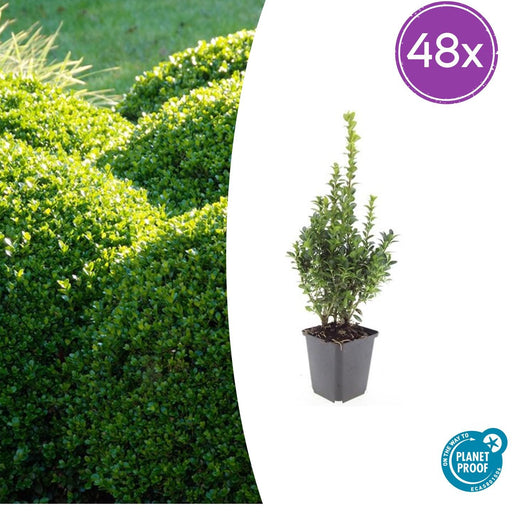
View full detailsThe **Euonymus japonicus 'Green Spire'** is an ideal boxwood substitute, perfect for hedges, planting beds, or as a solitary plant. This evergreen ...
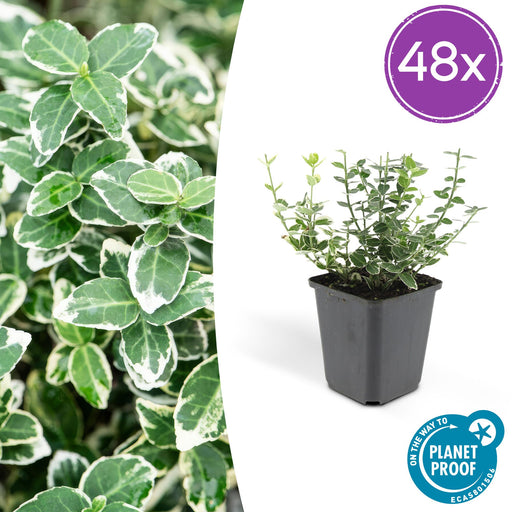
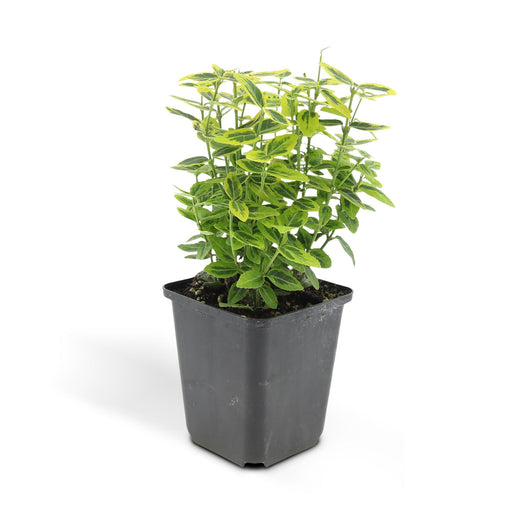
View full detailsThe *Euonymus fortunei 'Emerald 'n Gold'** is a versatile, evergreen ornamental shrub with striking variegated yellow foliage. This compact plant (...
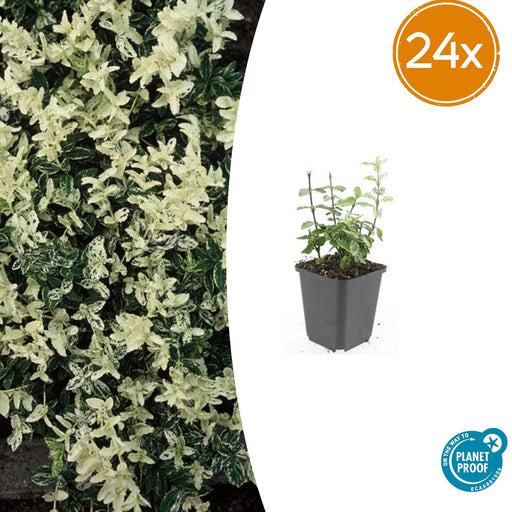
View full detailsThe **Euonymus fort. 'Emerald Gaiety'** is a versatile, hardy plant with beautiful variegated silver foliage. Perfect as a ground cover, low hedge,...
View full detailsEuonymus fortunei 'Harlequin' Bring color and life to your garden with the beautiful Euonymus fortunei 'Harlequin'. This striking shade plant featu...
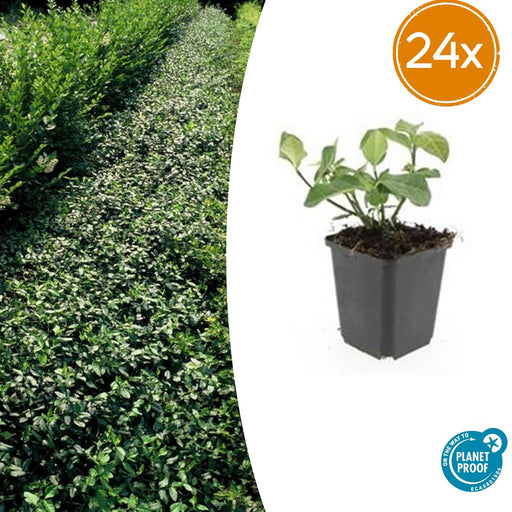
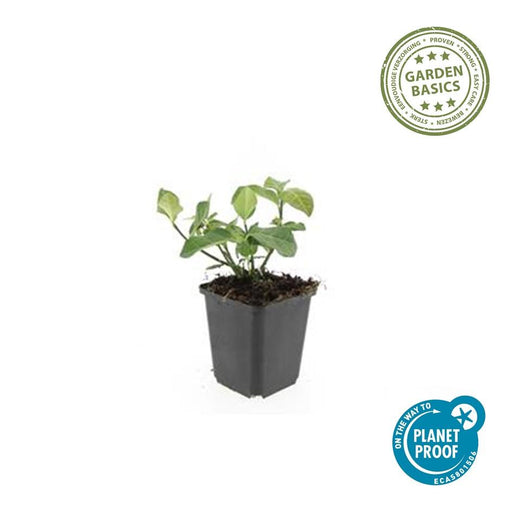
View full detailsThe Euonymus fortunei radicans is a versatile and robust ground cover that is perfect for any garden. With its dense, glossy leaves, it offers a be...
View full details**Euonymus fortunei 'Coloratus'** is a beautiful, hardy ornamental shrub with attractive, glossy leaves in a rich, deep green color. This variety i...
View full detailsThe *Euonymus fortunei 'Minimus'** is an attractive, compact ground cover with dense, green foliage that turns a beautiful yellow to golden hue in ...
View full details**Euonymus fortunei 'Dart's Blanket'** is a beautiful ground-covering plant that brings any garden to life. With its striking, dark green leaves ed...
View full detailsThe Buxus Sempervirens is a versatile, evergreen shrub that has been loved in gardens worldwide for centuries. This classic plant is known for its ...
View full detailsThe Buxus Sempervirens is a versatile, evergreen shrub that has been loved in gardens worldwide for centuries. This classic plant is known for its ...
View full detailsThe Euonymus fortunei radicans is a versatile and robust ground cover that is perfect for any garden. With its dense, glossy leaves, it offers a be...
View full detailsEuonymus fortunei 'Harlequin' Bring color and life to your garden with the beautiful Euonymus fortunei 'Harlequin'. This striking shade plant featu...
View full detailsThe *Euonymus fortunei 'Minimus'** is an attractive, compact ground cover with dense, green foliage that turns a beautiful yellow to golden hue in ...
View full detailsThe **Euonymus fort. 'Emerald Gaiety'** is a versatile, hardy plant with beautiful variegated silver foliage. Perfect as a ground cover, low hedge,...
View full details**Euonymus fortunei 'Dart's Blanket'** is a beautiful ground-covering plant that brings any garden to life. With its striking, dark green leaves ed...
View full details**Euonymus fortunei 'Coloratus'** is a beautiful, hardy ornamental shrub with attractive, glossy leaves in a rich, deep green color. This variety i...
View full detailsThe *Euonymus fortunei 'Emerald 'n Gold'** is a versatile, evergreen ornamental shrub with striking variegated yellow foliage. This compact plant (...
View full detailsThe **Euonymus japonicus 'Green Spire'** is an ideal boxwood substitute, perfect for hedges, planting beds, or as a solitary plant. This evergreen ...
View full details Flowering Ground Covers
 Ground cover Shade
Low-growing ground covers
Ground Covers With Flowers
Ground cover Shade
Low-growing ground covers
Ground Covers With Flowers
 Ground covers Evergreen
Ground covers Winter hardy
Ground covers Sun
Evergreen Ground Cover
Ground covers Evergreen
Ground covers Winter hardy
Ground covers Sun
Evergreen Ground Cover
 Extremely strong ground covers
Fast-growing ground cover
Extremely strong ground covers
Fast-growing ground cover
 Anemone
 Aster (Autumn Aster)
 Wild strawberry (Fragaria Vesca)
 Woodland Sage (Salvia Nemorosa)
 Fireweed (Phlomis Russeliana)
 Campanula
 Cotoneaster
 Hyssop (Agastache)
 Knotweed (Persicaria)
 Goose-gander (Potentilla Tridentata)
 Geranium (Crane's-bill)
 Hedera Hibernica
 Heaven's Key (Sedum 'Herbstfreude')
 St. John's Wort (Hypericum)
 Heuchera (Coral Bells)
 Verbena (Verbena Bonariensis)
 Isotoma Fluviatilis (Blue Ground Creeper)
 Japanese Cardinal's Crested (Euonymus Fortunei)
 Honeysuckle (Lonicera)
 Catnip (Nepeta)
 Copper Button (Leptinella Squalida)
 Dogwood (Cornus)
 Creeping Bugle (Ajuga Reptans)
 Lavender Plants
 Lilygrass (Liriope Muscari)
 Leadwort (Ceratostigma Plumbaginoides)
 Luzula Nivea (Snow-white Woodrush)
 Pachysandra (Pachysandra)
 Rudbeckia Fulgida (Coneflower)
 Sagina Subulata (Priemvetmuur)
 Cobbler Plant (Bergenia Cordifolia)
 Snowberry (Symphoricarpos Chenaultii 'Hancock')
 Spiny Nut - Acaena Microphylla
 Vinca Major (Periwinkle)
 Vinca Minor (Periwinkle)
 Lady's Mantle (Alchemilla Mollis)
Waldsteinia Ternata (Golden Strawberry)
Lady's Mantle (Alchemilla Mollis)
Waldsteinia Ternata (Golden Strawberry)
 Coneflower (Echinacea Purpurea)
 Creeping thyme (Thymus Serpyllum)
Ground covers form an essential category within landscape architecture. They are plants that spread horizontally across the soil and create a dense, continuous carpet of greenery or color. Instead of growing upwards, these plants invest their energy in producing runners or rhizomes, allowing them to fill bare spots in the garden rapidly. You can think of them as the 'living carpet' of the outdoor space. They come in countless varieties: from hardy, evergreen species that provide structure all year round, to deciduous varieties that surprise in the spring with exuberant blooms. Whether you have a sleek, modern garden or a wilder, natural garden, there is always a ground cover that suits the style and specific conditions of your soil. Due to their versatility, they are the ideal solution for tricky corners where other plants struggle to thrive.
In most cases, the ground covers we use in gardens are indeed perennials. This means that they have a multi-year life cycle and sprout again every year or retain their foliage, depending on the species. Perennials are the backbone of the garden because they offer a long-lasting solution for ground cover without the need to replant every season. However, there is a distinction: there are also annual ground covers that only last for one growing season. These are often used to temporarily fill gaps or to add an explosion of color to a specific part of the border. However, for those striving for a sustainable, low-maintenance garden, the perennial, hardy species are the best investment. They root deeper and become stronger and more beautiful year by year, causing the coverage to become increasingly dense and the soil to remain optimally protected against the elements.
The diversity in the world of ground covers is impressive, meaning there is a suitable match for every type of garden. For shady spots under trees, classics such as Periwinkle (Vinca) or Ivy (Hedera) are extremely suitable, as they form a dense mat even with little light. If you are looking for something for a sunny border, creeping juniper or rockrose is a strong option. Flowering varieties such as Creeping Bugle (Ajuga reptans) are also popular due to their beautiful flower spikes and decorative leaves. At Planten247, we understand that every garden is unique; that is why we offer a wide range that varies from walkable species to plants with a specific leaf structure or fragrance. Whether you are looking for a calm, green base or a colorful flower field that attracts bees and butterflies, there is always a species that matches your specific wishes and the light conditions in your garden.
Low ground covers are the specialists for the fine work. These plants generally stay very close to the ground and usually do not grow taller than 10 to 15 centimeters. This makes them perfect for locations where you do not want to obstruct the view of larger shrubs or objects, such as along garden paths, in rock gardens, or as underplanting in narrow borders. A major advantage of these dwarf varieties is that they often grow very compactly, which can give the soil an almost moss-like appearance. Think of species such as Moss Saxifrage (Saxifraga) or the wonderfully fragrant Creeping Thyme (Thymus praecox), which can even tolerate light foot traffic. These low varieties are also excellent for use between stepping stones or in the joints of a patio, where they form a natural transition between paving and planting. Despite their low height, they are extremely hardy and offer a surprisingly large impact on the overall look and neatness of your garden design.
There are many attractive ground covers to choose from. Below is a top 8 of popular ground covers:
For a garden that remains virtually free of unwanted weeds, ground covers with a very dense and compact growth habit are the absolute key to success. Species such as the classic ivy (Hedera) and the hardy periwinkle (Vinca) are ideally suited for this. In a short time, these plants form a continuous green carpet that acts as a natural barrier. The effectiveness lies in limiting light: because the leaves of the ground covers completely shield the ground, virtually no sunlight reaches the soil. However, weed seeds in the soil desperately need this light to germinate. Without light, they remain dormant or die off. Moreover, these vigorous growers absorb the available nutrients and moisture in the top layer of the soil, simply leaving no space or energy for weeds to establish themselves. As a result, you enjoy a sleek garden with minimal maintenance.
In our climate, it is wise to choose winter-hardy ground covers that can withstand frost and harsh winds. Species such as Pachysandra terminalis (Japanese spurge), creeping thyme, and creeping juniper are excellent examples of this. These plants not only survive the coldest months, but many of them also retain their green foliage in winter. This is a major advantage, as it ensures your garden looks well-groomed and vibrant even during the grey months, rather than a bare expanse of brown earth. Hardy varieties are often more robust and less susceptible to diseases. By investing in these strong plants, you lay a stable foundation for your garden design. They form a reliable green structure that returns year after year and grows stronger, regardless of how severe the winter turns out to be. This makes them the most sustainable choice for any garden enthusiast who loves a lasting result.
If you are looking for a long-lasting explosion of color in the garden, there are specific ground covers known for their extended flowering period during the summer months. Creeping phlox (Phlox subulata) and certain types of creeping thyme transform your soil into a vibrant carpet of flowers that lasts for weeks. These plants not only add visual beauty to your borders but also play a crucial role in the local ecosystem. The flowers are rich in nectar and pollen, making them a huge attraction for beneficial insects such as honeybees, bumblebees, and colorful butterflies. By choosing summer bloomers, you create a dynamic garden that is constantly in motion. It is advisable to combine different flowering species so that you can spread the flowering period from early spring to deep into late summer, which benefits both the aesthetics and the biodiversity in your immediate surroundings.
The zone under a tree can be a challenging place for planting due to the deep shade and the competition for water and nutrients with the tree roots. Therefore, you should choose true shade-loving specialists here. Ferns and the small periwinkle (Vinca minor) are excellent candidates that thrive in the cooler, moist conditions under a canopy of leaves. These plants have adapted to environments with little direct sunlight and can tolerate the mild drought that often occurs under trees reasonably well. Applying a layer of ground cover under a tree not only looks beautiful but also helps protect the tree roots from extreme heat and drying out. Moreover, it prevents weed growth in areas that are often difficult to reach with a hoe or lawnmower. The result is a natural, woodland look that seamlessly complements the larger elements in your garden.
A butterfly bush (Buddleja) thrives in full sun and, as the name suggests, attracts many insects. The space under this shrub can sometimes look a bit bare, because the shrub itself only spreads out higher up. Ground covers such as Bugle (Ajuga reptans) and periwinkle are ideal here. Bugle is particularly suitable because it tolerates the sun well and, with its often dark purple or bronze-colored leaves, forms a stunning contrast with the green leaves and colorful flower clusters of the butterfly bush. These ground covers ensure that the base of the shrub remains cool and that no weeds shoot up between the branches. Moreover, Ground Ivy often blooms early in the year, giving your garden color before the butterfly bush itself explodes in bloom. It creates layering in your border that gives the garden a lush and full appearance, while further supporting biodiversity around the shrub.
For the truly sunny and sometimes dry spots in the garden, you need 'sun worshippers' that do not wilt immediately during a heatwave. Ground covers such as various types of Thyme (Thymus), Sedum (stonecrop), and the hardy creeping Ground Ivy are masters at surviving under direct sunlight. Sedum species have thick, fleshy leaves in which they store water, making them extremely resistant to prolonged drought. Creeping thyme forms a very low, fragrant carpet that is covered with thousands of small flowers in the summer. These plants love well-drained soil and often require very little extra nutrition. In full sun, these species usually bloom much more profusely than in the shade, creating a spectacular palette of colors. They are also ideal for rock gardens or spots along a south-facing wall where temperatures can rise considerably. With these species, you make optimal use of the sunny corners in your garden.
Shady areas, such as the north side of a house or spots under dense shrubs, call for specific plants that thrive in indirect light. Pachysandra terminalis and the classic Ivy (Hedera) are the undisputed champions for these locations. Pachysandra, also known as shade-loving ivy, forms a very uniform green mat that retains its color even in deep shade. Ivy is even more versatile; This one can grow both horizontally and vertically and adapts effortlessly to the most difficult conditions. These shade plants play an important role in garden design by brightening up dark corners with various shades of green or variegated foliage. They also help to make the soil in the shade look less 'bare' and muddy. Because less evaporation occurs in the shade, these plants often remain fresh for a long time, provided the soil is not extremely compacted. They create a calm, woodland-like atmosphere that can be very relaxing.
In gardens where water drains away slowly or in places that are naturally damp, such as along a pond edge, you need plants that do not rot when given 'wet feet'. Ground covers such as Comfrey (Symphytum) and the charming Marsh Forget-me-not (Myosotis scorpioides) are excellently adapted to these conditions. These plants have root systems that can cope well with lower oxygen concentrations in the soil, something typical of saturated soil. Comfrey is a very vigorous grower that also roots deeply, which can benefit soil structure. Marsh forget-me-nots provide cheerful, bright blue blooms and spread easily across moist soil. By choosing these specific species, you prevent plants from dying due to root rot and transform a previously problematic, wet spot into a lush, overgrown part of your garden landscape that looks healthy and vibrant.
If you have pets, particularly dogs that like to sniff around in the garden or sometimes nibble on plants, it is essential to know which species can be dangerous. Commonly used ground covers such as Ivy (Hedera) and Periwinkle (Vinca) contain substances that can cause irritation or more serious symptoms in dogs if ingested. Ivy, for example, can cause vomiting, diarrhea, and skin irritation upon contact. It is therefore important to do your research thoroughly before making a choice. Fortunately, excellent pet-friendly alternatives are available. Creeping thyme, for instance, is a safe option that not only blooms beautifully and suppresses weeds but also contains no harmful substances for your loyal four-legged friend. By consciously choosing non-toxic plants, you create a safe living environment in which both your plants and your pets can thrive without worry. When in doubt, it is always wise to seek advice from an expert or choose a proven safe species.
Cats can sometimes pose a challenge in the garden, especially if they use freshly turned soil as a litter box. If you want to protect certain parts of the garden from unwanted visitors, you can use plants that cats have a natural aversion to. Strongly scented herbs such as Thyme (Thymus) and Rosemary are very effective for this. The essential oils in these plants emit a scent that is often delightful to humans, but is perceived as very unpleasant by a cat's sensitive sense of smell. Furthermore, cats do not like the texture of a dense, woody mat of creeping thyme on their paws. Another effective 'anti-cat' plant is the so-called 'Cat-repellent plant' (Coleus canina). By strategically planting this in places where cats enter the garden or where you prefer not to have them, you create a natural and animal-friendly barrier that keeps your garden clean and undamaged without the need to use chemical agents.
There are many types of ground covers suitable for various garden situations, such as sun, shade, evergreen, or fast-growing. Below you will find an overview of popular categories:
At Planten247, you will find an extensive range of ground covers that suit every garden. Whether you are looking for hardy ground covers, ground covers for shade, or flowering ground covers, we have the perfect plants for your garden. Order easily online and give your garden a low-maintenance and green look with our ground covers.