





Fountain Grass: Graceful plumes for a dynamic garden
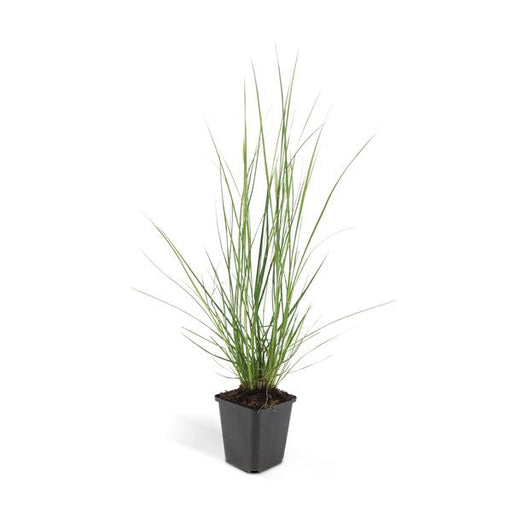
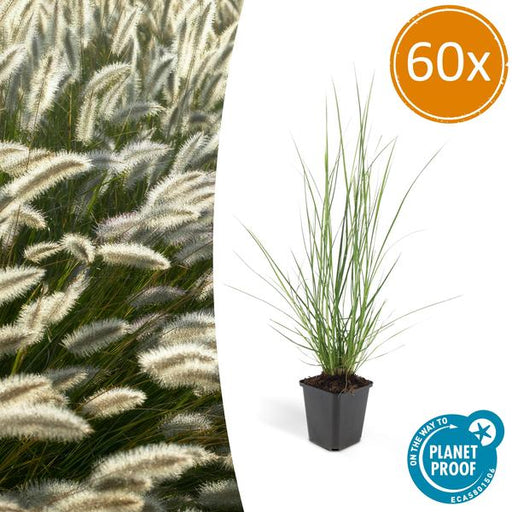
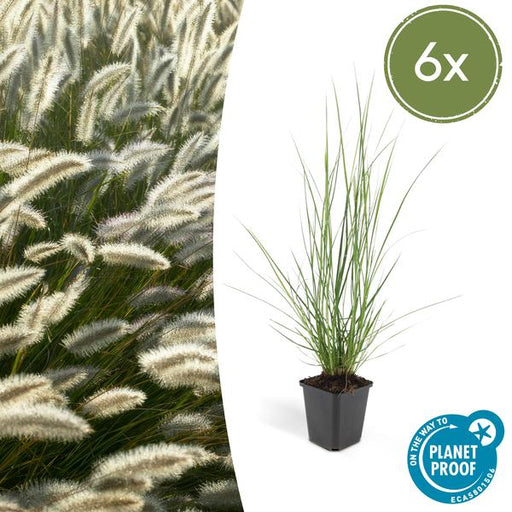
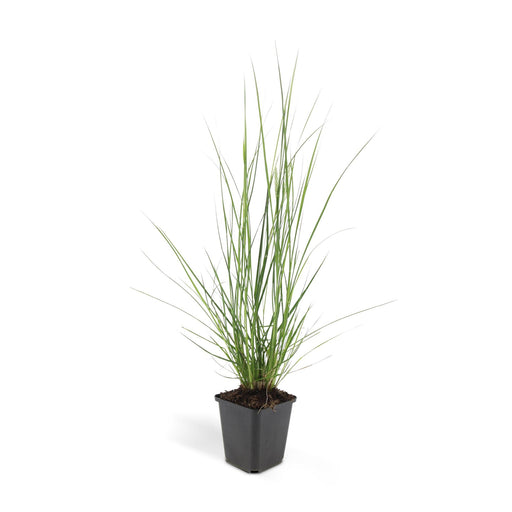
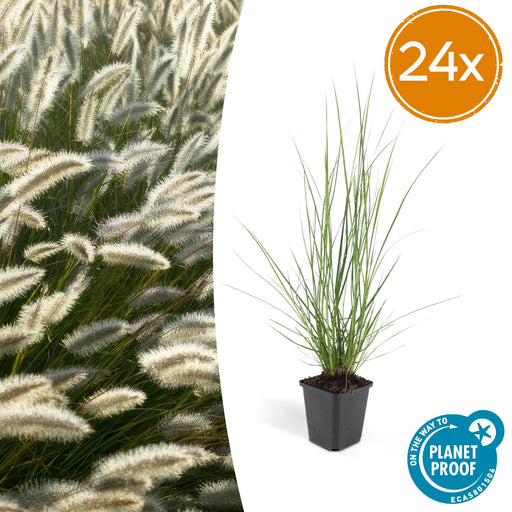
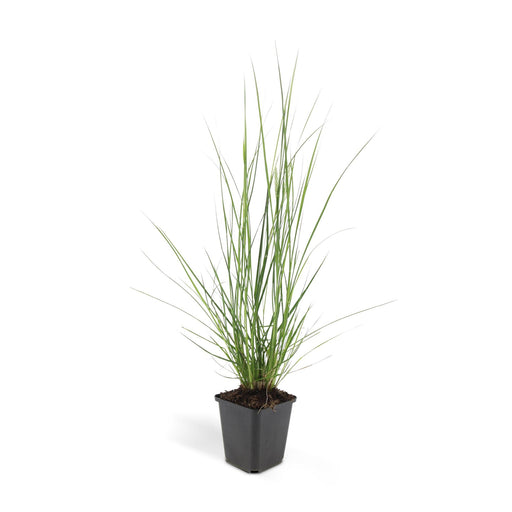
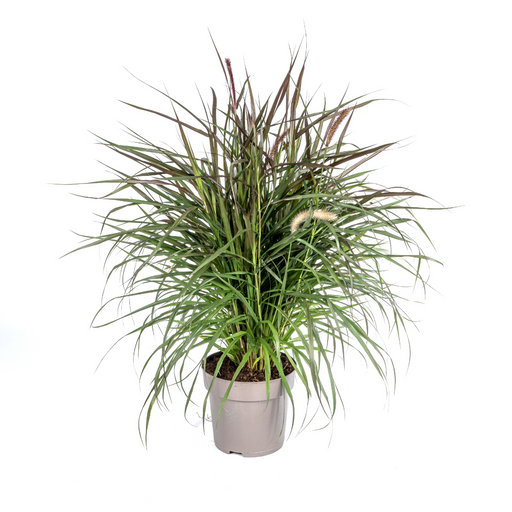
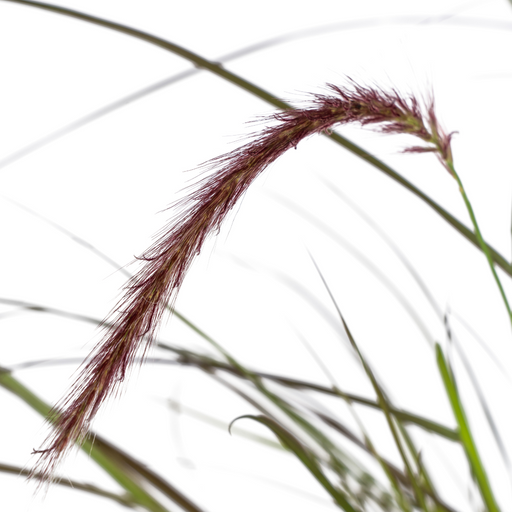
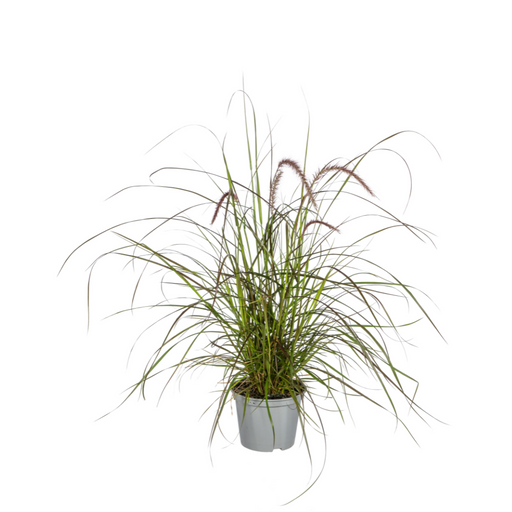
Are you looking for a plant that adds movement and texture to your outdoor space? Fountain Grass, also known by the botanical name Pennisetum, is one of the most beloved ornamental grasses. The plant owes its name to the characteristic bushy flower plumes that appear in late summer. Whether you have a modern, sleek garden or want to create a natural border, with Pennisetum alopecuroides you bring a strong, clump-forming plant into your home that remains decorative well into winter.
Frequently asked questions about fountain grass
What is the best location for fountain grass?
Fountain grass is a true sun worshipper. For the richest flowering with the most plumes, place the plant in a sunny to lightly shaded spot. The more sun the grass receives, the more compact and fuller the growth. In terms of soil, Pennisetum has few requirements, provided the soil is well-draining and not too dry in the summer. This ornamental grass also does excellently in a pot on the terrace, as long as excess water can drain away.
Is fountain grass hardy and what happens in winter?
Most fountain grass species are very hardy. In autumn, the green blades turn beautiful golden-yellow or straw-like shades. Although the plant dies back above ground in winter, the silhouette with the swaying plumes retains its ornamental value for some time, especially when covered with a layer of frost or snow. Moreover, this offers natural protection against frost for the heart of the plant.
When and how should I prune fountain grass?
Pruning fountain grass is very simple and is done only once a year. Do this in early spring (March), just before the first new green shoots become visible. Cut the entire clump back to about 10 to 15 centimeters above the ground. By doing this annually, you give the plant room to sprout again fresh and vigorously, allowing you to enjoy a full, healthy clump of grass again in the summer.
Which Pennisetum varieties are the most popular?
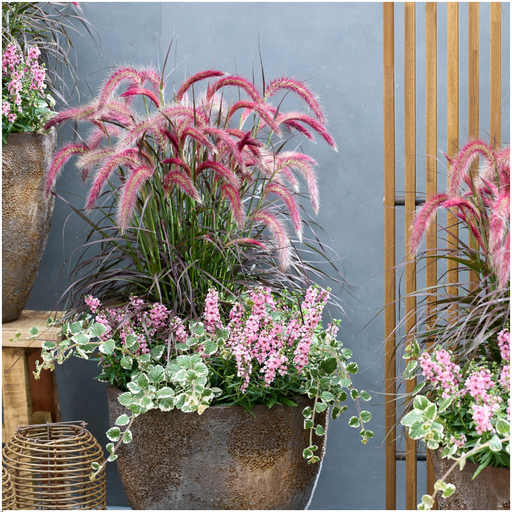
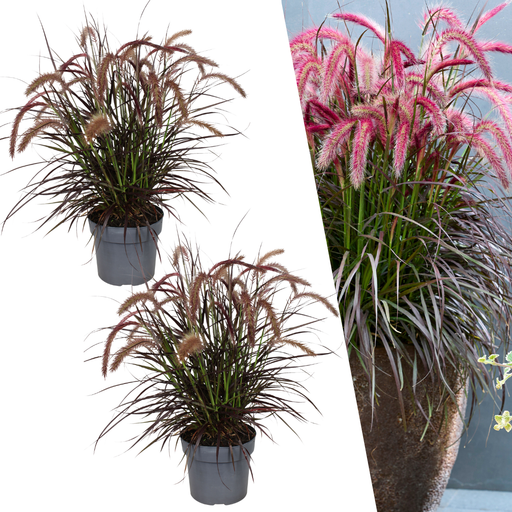
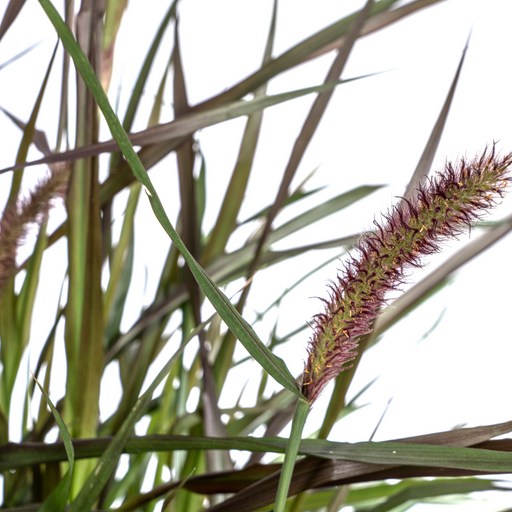
The absolute favorite is the Pennisetum 'Hameln', due to its compact growth and early flowering. For those looking for a larger variety, the Pennisetum alopecuroides is very suitable. Are you looking for a special splash of color? The Little Bunny or varieties with dark purple foliage provide a beautiful contrast in a green border. Each Pennisetum grass has its own unique height and flowering time, so there is a suitable match for every garden.
How often should I water and fertilize my ornamental grass?
Once well-rooted in the open ground, fountain grass can withstand shorter periods of drought well. However, for young plants or during extremely hot summers, extra watering is essential to stimulate flowering. In a pot, the soil dries out faster, so check the moisture regularly. No heavy fertilization is necessary; a little organic fertilizer or compost in the spring after pruning is sufficient for a vigorous growing season.
Can I combine fountain grass with other garden plants?
Certainly! fountain grass is a fantastic 'weaver' in the garden. It combines beautifully with late-blooming perennials such as Echinacea (coneflower), Verbena, or Sedum. The fine structure of the grass provides a soothing counterpoint to plants with large flowers or leaves. Also in a group (as ground cover), Pennisetum creates a calm, swaying effect that immediately adds atmosphere along a path or terrace.
Buy Fountain Grass
Buying Fountain Grass is quick and easy at Planten247. Our extensive range offers the perfect choice for every garden enthusiast. All our plants are of the highest quality and carefully cultivated. Visit our webshop and discover our handy filters to find the right Fountain Grass for your garden. Place your order today and enjoy this beautiful ornamental grass in your own garden within a few days!


