5% off with code HELLO5
Create a natural, shady oasis with our authentic woodland plants. Whether you are creating a woodland garden or want to fill a neglected corner under trees, with the right woodland plant you bring tranquility and biodiversity to the garden. Discover our selection of robust woodland plants and enjoy a low-maintenance, green outdoor space.
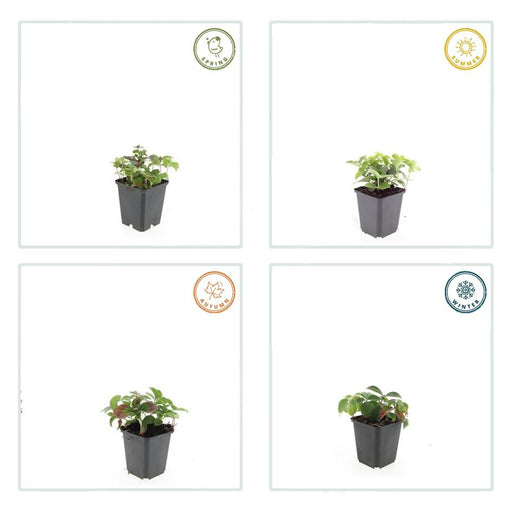
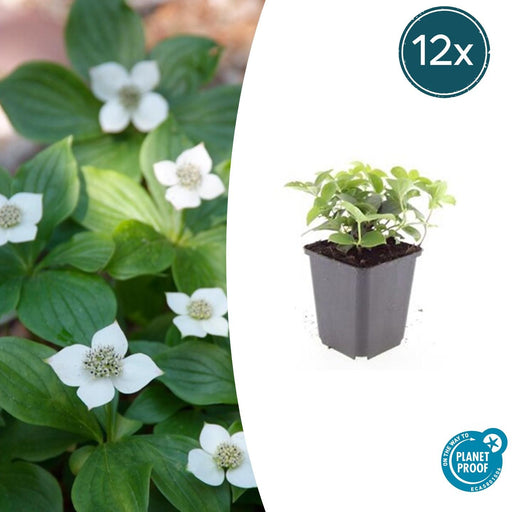
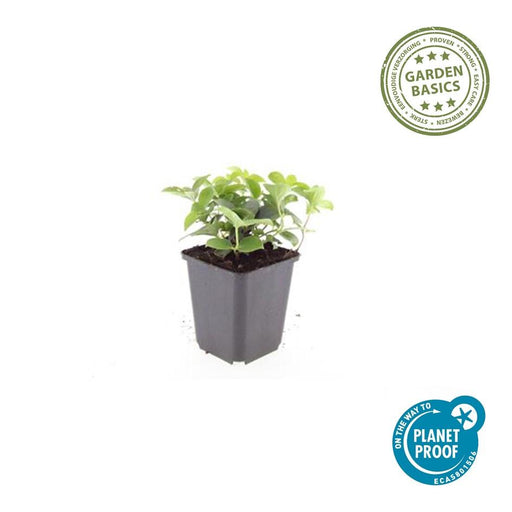
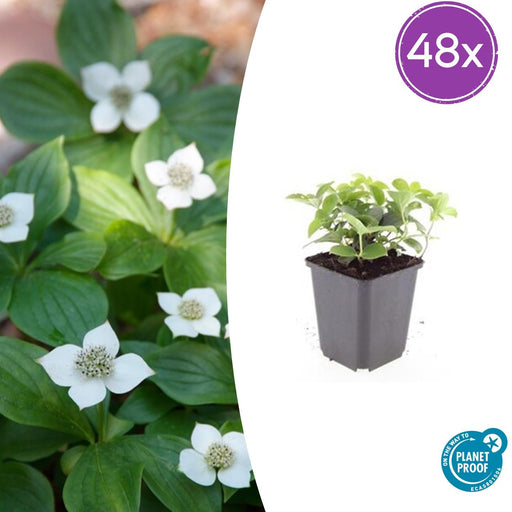
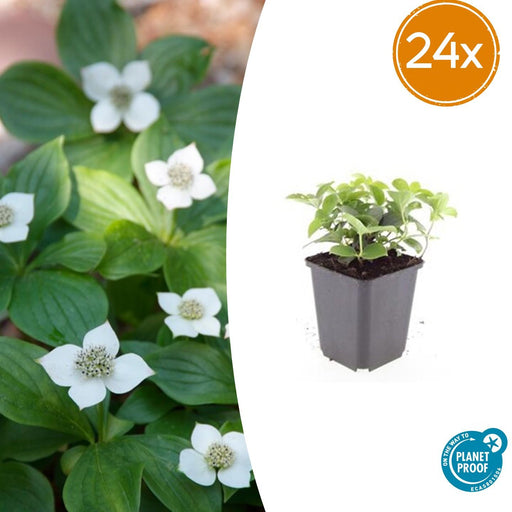
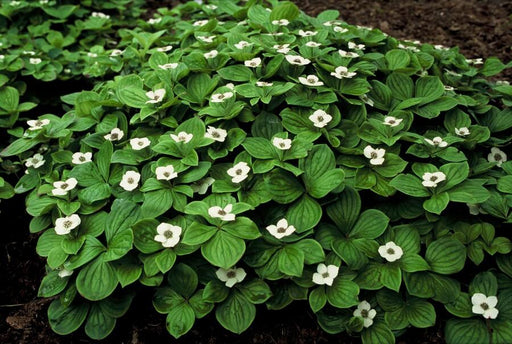
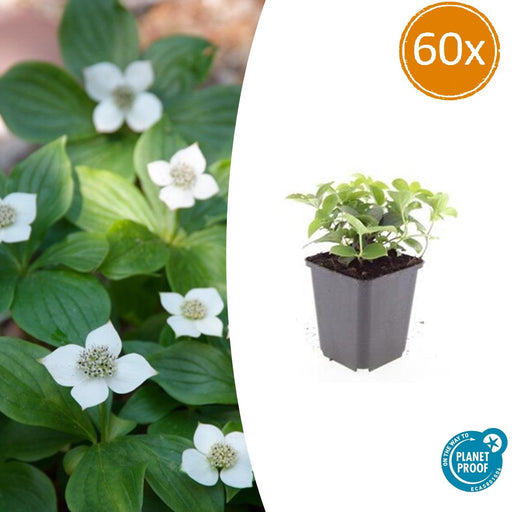
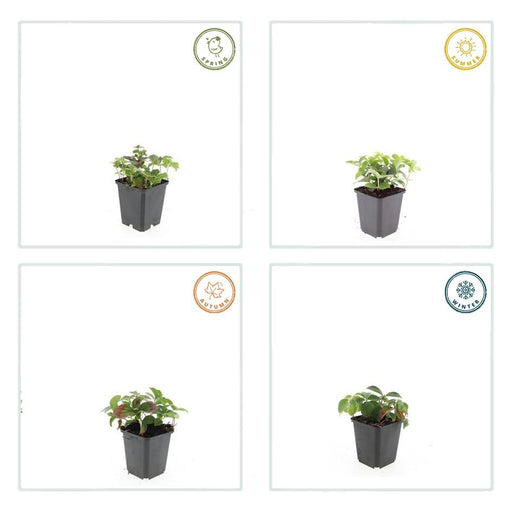
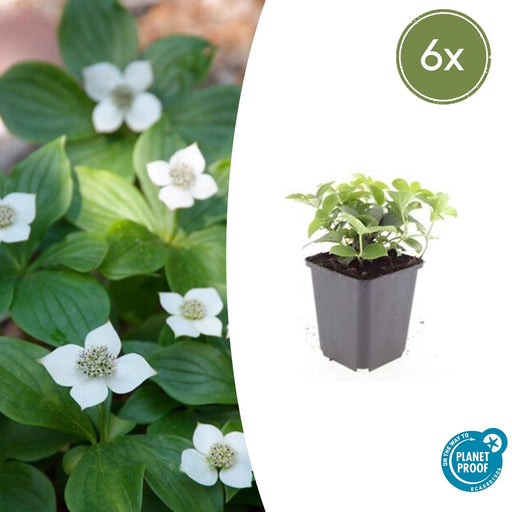
**Cornus canadensis** – Also known as the Canadian dogwood, this is a beautiful ground cover with glossy green leaves and attractive white flower c...
View full details**Cornus canadensis** – Also known as the Canadian dogwood, this is a beautiful ground cover with glossy green leaves and attractive white flower c...
View full details**Cornus canadensis** – Also known as the Canadian dogwood, this is a beautiful ground cover with glossy green leaves and attractive white flower c...
View full details**Cornus canadensis** – Also known as the Canadian dogwood, this is a beautiful ground cover with glossy green leaves and attractive white flower c...
View full details**Cornus canadensis** – Also known as the Canadian dogwood, this is a beautiful ground cover with glossy green leaves and attractive white flower c...
View full details Garden plants
 Outdoor plants
 Patio plants
 Large Garden Plants
 Garden plants Shade
 Shrubs
 Bougainvillea
 Camelia
 Campanula
 Citrus Australasica
 Citrus Calamodin
 Citrus trees
 Erysimum
 Fargesia Rufa (Bamboo)
 Fruit Trees & Fruit Plants
 Evergreen Shrubs
 Hanging geranium (Pelargonium peltatum)
 Japanese Maple
 Christmas Rose (Helleborus Niger)
 Laurus Nobulis (Laurel)
Lavender Plants
Laurus Nobulis (Laurel)
Lavender Plants
 Espalier trees
Vegetable Garden Plants
Espalier trees
Vegetable Garden Plants
 Nerium Oleander
 Olive trees
 Olive bush
Yucca Rostrata
Olive bush
Yucca Rostrata
 Butterfly bush (Buddleja davidii)
 Spanish Daisy
 Hydrangea
 Eucalyptus Tree
 Coreopsis (Girl's Eyes)
 Hibiscus
 Conifers
 Tissue plants
 Rock plants
 Wall plants
 Stinzen plants
 Bankside plants
 Underplanting
The world of woodland plants is rich in texture and subtle colors. Among the most popular choices are various fern species, such as the Kidney Fern, which unfurl beautifully in the spring. The Wood Anemone and Wild Garlic are also beloved spring bloomers that feel right at home under trees. For an evergreen accent, Holly or Yew is often chosen as a shrubby woodland plant. These species are accustomed to filtered light and form the basis of a natural garden. A woodland plant such as Ivy (Hedera) often serves as a ground cover to quickly and effectively green large areas under deciduous trees.
The greatest benefit of woodland plants is their ability to thrive in places where other plants fail: the shade. They transform dark corners into vibrant ecosystems. Because many woodland plants are accustomed to competition from tree roots, they are often very strong and long-lived species. Moreover, they require relatively little maintenance; once a woodland plant is settled, it often regulates its own moisture by keeping the soil covered. These plants are indispensable for local fauna; they provide food and shelter for hedgehogs, insects, and birds, truly bringing your garden to life.
When purchasing woodland plants, it is essential to consider their specific light requirements. Although they are called 'woodland plants', some species require light shade, while others can survive in deep shade. Also pay attention to the following:
There is an enormous variety of woodland plants available to the gardener. We distinguish between herbaceous plants, ferns, and woody shrubs. Among the herbaceous species, you will find classics such as Periwinkle and Lungwort, which often produce beautiful flowers. Ferns form a category of their own and bring a prehistoric atmosphere to the garden with their feathery leaves. In addition, there are the larger woodland plants such as the Rhododendron or the Serviceberry, which provide structure and height. Each woodland plant has its own role in the layering of a garden, from the lowest ground cover to the highest shrub layer.
The best place for woodland plants is a location with partial to full shade, preferably under the canopy of trees or on the north side of a building. When planting, mimicking the forest floor is the key to success. Mix plenty of leaf compost or humus-rich planting soil into the planting hole. This ensures the correct acidity and moisture retention capacity. Do not plant the woodland plant too deep and ensure that the roots do not come into direct contact with large tree roots that absorb all the water. After planting, apply a layer of tree bark or fallen leaves for an optimal start.
Caring for woodland plants is essentially imitating nature. In autumn, it is advisable to leave fallen leaves between the plants; this serves as natural nourishment and protection. Should the soil dry out significantly during a hot summer, water in a timely manner, preferably early in the morning. A woodland plant usually does not require heavy fertilization, but an annual application of compost or organic fertilizer in the spring stimulates healthy growth. Pruning is rarely necessary, except to remove dead leaves from ferns or to keep shrubs in check for a neat appearance.
Do you want to bring that soothing woodland atmosphere to your own garden? Buying woodland plants at Planten247 is the first step towards a natural paradise. We offer a carefully curated assortment of robust varieties that are ready to immediately fill your shady spots. Whether you are an experienced gardener or just starting out with a woodland garden, every woodland plant from our nursery is grown with an eye for vitality and quality. Order your woodland plants easily online and have them delivered fresh to your home. Turn every forgotten corner into a green eye-catcher with the power of nature!
Most woodland plants are specifically adapted to shady conditions. In full sun, the leaves of a typical woodland plant will often burn or the plant will dry out. However, there are some species, such as certain cranesbills, that can tolerate some sun provided the soil remains sufficiently moist.
Autumn is the ideal time for planting woodland plants. The soil is still warm and moist then, allowing the roots to establish themselves well before winter sets in. Early spring is a good second time, especially for species that start their growth spurt and flowering immediately afterwards.
The best way is to plant ground-covering woodland plants such as the Golden Strawberry or Hedera. These form a dense carpet that weeds can barely penetrate. Additionally, a thick layer of mulch (leaves or bark) helps to suffocate unwanted seeds while your plants benefit from the extra nutrients.
A woodland plant prefers humus-rich soil. Instead of artificial fertilizer, it is best to choose organic material such as compost, leaf mold, or dried cow manure pellets. This improves soil structure in the long term, which is essential for plants that naturally grow on a changing woodland soil.