5% off with code HELLO5
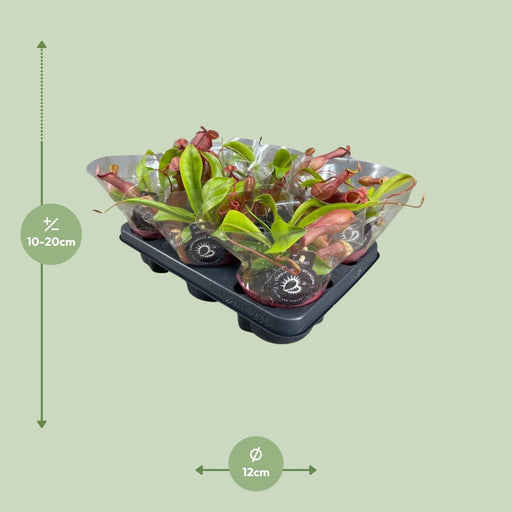
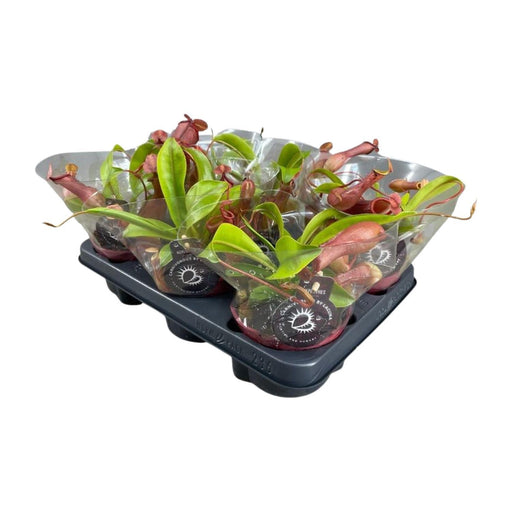
The Nepenthes Alata, also known as the Pitcher Plant, is an impressive carnivorous plant that is sure to catch the eye in your interior. This uniqu...
View full details Houseplants
Large Houseplants
Houseplants
Large Houseplants
 Small Houseplants
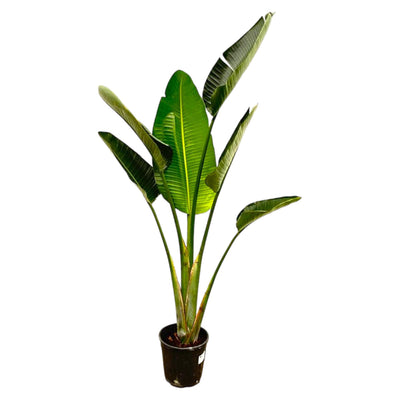 XXL Houseplant
 Mini Plants
 Cacti
Cacti
 Succulents
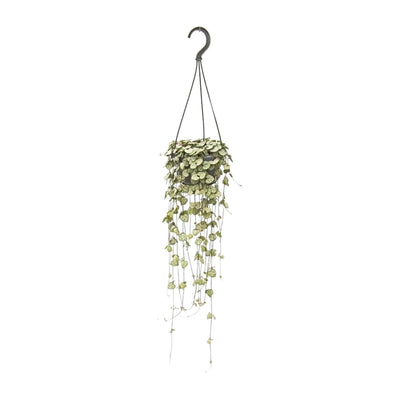 Indoor Hanging Plant
Large Indoor Hanging Plant
Indoor Hanging Plant on Cabinet
Indoor Hanging Plant
Large Indoor Hanging Plant
Indoor Hanging Plant on Cabinet
 Potted Houseplants
 Plant in Basket
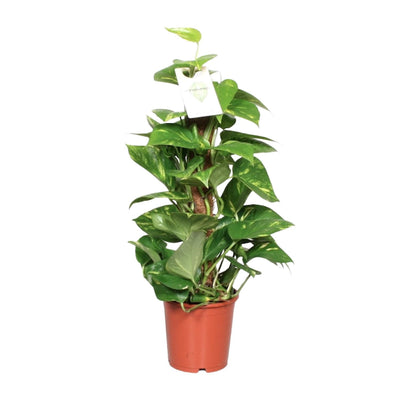 Moss Pole Plants
Bonsai Tree
Moss Pole Plants
Bonsai Tree
 Variegata
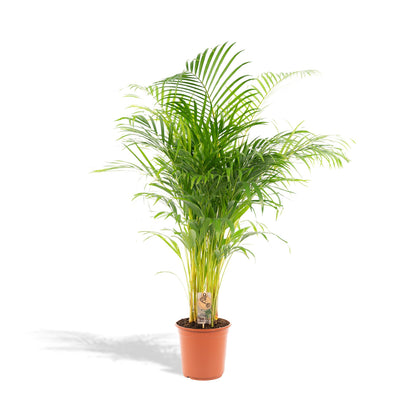 Air-purifying houseplants
 Green Houseplants
 Flowering Houseplants
Houseplant Non-Toxic
Flowering Houseplants
Houseplant Non-Toxic
 Easy Houseplants
 Houseplant on a Stem
 Branched Houseplant
 Ironclad Houseplants
Unusual Houseplants
Tropical Houseplants
Jungle Plants
Trendy Houseplants
Cheap Houseplant
Ironclad Houseplants
Unusual Houseplants
Tropical Houseplants
Jungle Plants
Trendy Houseplants
Cheap Houseplant
 Houseplant Shade
 Houseplant Partial shade
Houseplant Full Sun
Bedroom Plant
Houseplant Partial shade
Houseplant Full Sun
Bedroom Plant
 Bathroom plants
 Table Plant
Nursery Plants
Table Plant
Nursery Plants
 Plant Toilet
Plants for the Hallway
Plant Toilet
Plants for the Hallway
 Balcony plants
Windowsill Plants
Balcony plants
Windowsill Plants
 kolibri Greens
Large-Leafed Plant
kolibri Greens
Large-Leafed Plant
 Rootless Succulents
Ornamental plants
Rootless Succulents
Ornamental plants
A carnivorous plant is a type of plant that feeds on insects and other small animals to survive. These plants often grow in nutrient-poor soils, such as acidic or wet soil, where they cannot absorb sufficient minerals from the soil. Therefore, they have evolved to "catch" their own food in the form of animals, usually insects, which they catch and digest using special mechanisms. Carnivorous plants are an impressive example of nature's adaptability, with the plants developing various trapping techniques to obtain their nutrition.
Carnivorous plants often use a combination of scent, color, and movement to attract their prey. Some species have sticky surfaces or leaves that resemble the lures of an insect trap, while others use mechanical trapping power, such as rapidly closing leaves that act as a trap. The deliberate capture of their prey is crucial for their survival, as it provides them with necessary nutrients, such as nitrogen and phosphorus, which would otherwise be difficult to obtain from the soil. The process of catching and digesting prey is not only a fascinating natural phenomenon, but it also helps maintain the plant's ecosystem. There are more than 600 different species of carnivorous plants worldwide, most of which originate from tropical or subtropical climates. They are often characterized by their ability to survive in environments unsuitable for other plants, such as swampy areas, heathlands, and peat bogs. Carnivorous plants are a symbol of nature's power to adapt to challenging conditions. It is therefore no wonder that many people consider them a curious addition to their garden or houseplant collection.
There are various types of carnivorous plants, each with its own unique trapping techniques and survival strategies. The best-known species are the Venus flytrap, the sundew, the pitcher plant, and the pitcher plant. Each species has its own specific characteristics, but they all have one thing in common: they use living creatures to obtain their nutrients. The most popular carnivorous plants are discussed below.
The Venus flytrap is one of the best-known carnivorous plants. It has unique leaves that snap shut quickly as soon as an insect or other small animal lands on the nutritious "trap". The leaves have hairs that, when touched, cause the leaves to close rapidly. This mechanism ensures that the plant holds the prey while digestion begins. The Venus flytrap can catch an insect about 3 to 4 times per trap before the trap becomes depleted. The sundew is another popular carnivorous plant that catches its prey using sticky hairs on its leaves. These hairs produce a sticky substance that binds insects to itself when they touch the leaves. Once the prey is trapped, the leaves slowly curl around the insect, setting the digestion process in motion. Sundews can come in various forms, from small ground covers to large, colorful specimens. The pitcher plant is one of the most beautiful and impressive carnivorous plants. The plant has tube-like structures filled with nectar and fragrant substances to attract insects. The insect falls into the pitcher and cannot escape because the walls of the pitcher are smooth, and the plant then digests the prey. The pitcher plant is particularly effective at catching flies, bees, and other insects that come near the plant. The pitcher plant closely resembles the pitcher plant but often has larger and deeper-shaped "cups" that make it more difficult for prey to escape. This plant uses a similar method of luring and digesting, but the digestion process can take longer depending on the size of the captured prey. Pitcher plants are impressive and exotic additions to your garden and are perfect for people looking for an ornamental yet functional plant. Caring for a carnivorous plant requires some knowledge, as these plants need special conditions to grow and survive well. They prefer soil that is poor in nutrients, such as peat or acidic soil, and often require high humidity to thrive. It is important to understand that carnivorous plants are not ordinary garden plants and that their nutritional needs differ significantly from those of other plants. One of the most important factors for the care of carnivorous plants is water. Carnivorous plants should never be watered with tap water, as the water often contains too many minerals that can be harmful to the plant. Instead, you should use distilled water, rainwater, or purified water. The plant also needs well-draining soil that does not suffocate its roots. In most cases, it is important to place the plant in a pot equipped with holes to drain excess water. Carnivorous plants must also receive sufficient sunlight. Most species prefer sunny or partially sunny spots, and in some cases, they can be kept indoors, as long as they receive enough light. It is important not to expose the plant to too much direct sunlight, as this can burn the leaves. In cold climates, it may be necessary to bring the plant indoors during the winter, where it can survive in a cool but bright environment. Carnivorous plants must be fed insects regularly, especially if kept indoors. Outdoors, they get their nutrition from nature, but indoors they often need to be fed manually. It is important not to overfeed them, as this can harm the plant. During the winter months, carnivorous plants often need a rest period, during which their growth slows and they require less nutrition. Large carnivorous plant Large carnivorous plants are a fascinating option for garden enthusiasts looking for an impressive addition to their outdoor space. Although most carnivorous plants remain relatively small, there are some species that can grow to impressive dimensions. The pitcher plant and the cup plant, for example, can become quite large, with cups that can measure up to 30 centimeters or more. These larger plants not only attract insects but can also catch larger prey, offering a unique experience for the owner. Large carnivorous plants do require somewhat more care and attention than their smaller counterparts, especially when it comes to their environment and water needs. They need sufficient space to grow, so it is important to ensure that you place them in a suitable pot or bed where they can develop freely. Large carnivorous plants also need to be provided with sufficient light and moisture, and must be fed regularly to support their energy needs. Large carnivorous plants can form a magnificent centerpiece in your garden, especially if you love exotic and striking plants. They are not only fascinating to look at but also extremely useful for controlling insects in your garden. If you have the space and are willing to care for them well, large carnivorous plants can be an impressive and practical element in your outdoor space.
Carnivorous plants can also be kept indoors perfectly well, provided they receive the right care. Indoors, these plants can adapt well, as long as they receive sufficient light and humidity. The main challenge when keeping carnivorous plants indoors is ensuring they receive sufficient nutrition, since they will not be in their natural environment to catch insects. Therefore, you must manually feed the plants small insects, such as flies or fruit flies, that they can catch.
It is also important to ensure the correct temperature and humidity in the room where your carnivorous plant is located. Most carnivorous plants prefer a humid environment, so it can be helpful to use a humidifier or spray the plant regularly with a fine mist. Place the plant in a spot where it receives sufficient sunlight, for example close to a south-facing window, but avoid direct sunlight, which can burn the leaves.
Although caring for carnivorous plants indoors can be a bit more work, it is certainly worth the effort. They are not only interesting houseplants but also effective natural insect controllers. With proper care, carnivorous plants can be a unique and low-maintenance addition to your home.
When buying a carnivorous plant, you should also take into account the care instructions provided by the seller. This helps ensure that your plant adapts well to its new environment. Whether you buy a Venus flytrap, sundew, or pitcher plant, make sure you give your plant the right care so that it can thrive. Carnivorous plants can be an excellent addition to your garden or interior, and with the right knowledge and care, they can provide years of enjoyment.