
5% off with code HELLO5
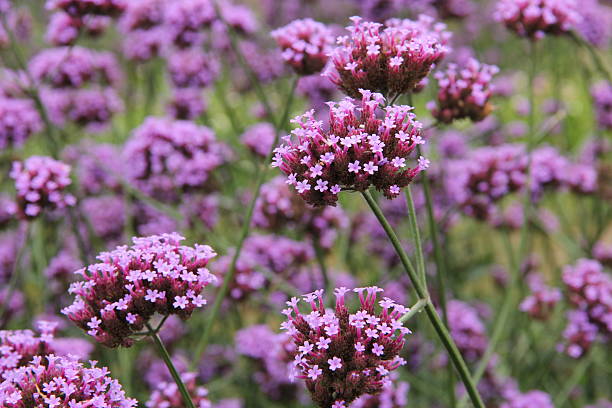
Plants, garden plants and border plants form the basis of an atmospheric garden. One of the most beloved border plants is the Verbena (Verbena Bonariensis). This graceful, tall-growing plant with purple flowers attracts bees and butterflies and gives the garden a playful, natural look. To keep the plant healthy and promote flowering, pruning is essential. In this blog, you will discover when and how best to prune Verbena and how to care for the plant after pruning. This is the moment when the plant emerges from its winter dormancy and begins to form new shoots. Pruning in the spring ensures that the plant remains strong and vital, leading to richer flowering in the summer months. Leave the plant alone as much as possible during the winter, as the withered stems offer protection against frost. Additionally, you can prune lightly in the summer, around July or August, to prolong flowering. By removing spent flowers and weak stems, you stimulate the production of new flowers and keep the plant attractive for longer. Ensure that you never prune too rigorously during this period, to prevent the plant from disrupting its natural growth cycle.

Pruning Verbena is simple, but it is important to do it correctly to promote growth and flowering.
1. Use sharp and clean pruning tools
Sharp pruning shears or lopping shears prevent ragged cuts, making the plant less susceptible to diseases and fungi. Clean your tools regularly with disinfectant to prevent the spread of plant diseases. 2. Spring pruning: prune back to 10-15 cm
3. Remove dead and weak branches
4. Winter protection: leave a few stems
5. Summer pruning for longer flowering 6. Extra tips for healthy growth
By following these pruning tips, you ensure that your Verbena provides beautiful and long-lasting blooms year after year!
With proper care, Verbena Lollipop remains healthy and blooms for a long time with beautiful purple flowers that attract butterflies and bees. After pruning, Verbena needs some extra attention to thrive recover and sprout again. With proper care, you promote vigorous growth and long-lasting flowering in the summer. 1. Provide sufficient water After pruning, it is important to water the plant well, especially if the spring is dry. Keep the soil moist, but prevent it from becoming too wet, as Verbena Bonariensis does not like waterlogged soil. 2. Feed the plant with fertilizers
To stimulate growth, you can apply an organic fertilizer or a general fertilizer for flowering plants in the spring. This helps with the formation of strong new shoots and abundant flowering later in the season.
3. Remove weeds around the plant
Weeds can compete with Verbena for nutrients and water. Keep the base of the plant free of unwanted vegetation to promote healthy growth.
4. Protect young shoots from frost
In early spring, it can still cool down considerably. Protect new shoots from late frost by placing a layer of mulch, straw, or fallen leaves around the base of the plant. This not only helps against the cold but also keeps the soil moist and nutritious.
5. Support long stems if necessary
If the plant grows quickly, the long stems can sometimes fall over due to wind or rain. If necessary, you can place light support, especially if the plant is in a windy garden.
With proper care, your Verbena will quickly form new shoots and bloom profusely again in the summer with beautiful purple flowers that attract bees and butterflies.
During flowering, you can regularly remove spent flowers (deadheading) to prolong the flowering period. This prevents the plant from putting all its energy into seed formation and stimulates new flower production. If you leave the spent flowers on, the plant self-seeds and appears in various places in your garden the following year. This can create a beautiful, natural effect.
By applying these simple pruning and care tips, your Verbena will stay healthy and you will enjoy abundant flowering every year!
Pruning Verbena Lollipop

Verbena Bonariensis Care after Pruning

What to do with spent Verbena?


