
5% off with code HELLO5
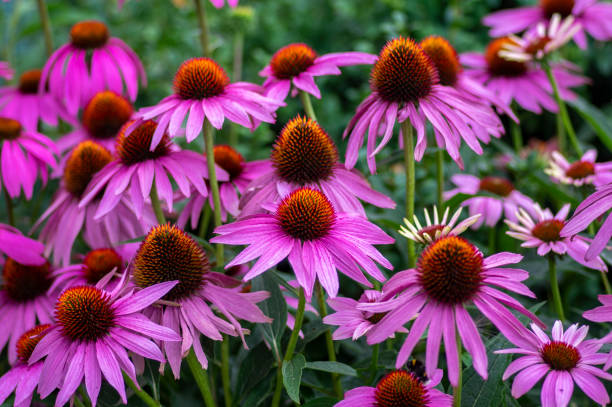
Garden plant enthusiasts appreciate the Coneflower (Echinacea Purpurea) for its beautiful flowers and long flowering period. This perennial plant is not only an eye-catcher in the border, but also functions as a ground cover and attracts bees and butterflies. To keep the coneflower in top condition, it is important to prune it correctly and at the right time. In this blog, we explain when and how to prune the coneflower and how to best care for the garden plant after pruning.

Pruning the coneflower depends on the purpose of the pruning:
During the growing season (summer and early autumn): By regularly removing spent flowers (deadheading), you extend the flowering period and stimulate new flower formation.
In the autumn (late autumn): Many gardeners choose not to prune the coneflower back completely in the autumn, because the seed heads attract birds and the plant adds structure to the winter garden.
In early spring (March - April): This is the best time for a thorough pruning of the Coneflower. The dead stems from the previous season can be cut off to make room for new growth.

Pruning the coneflower (Echinacea) is a simple but important task to keep the plant healthy and flowering. By pruning at the right times, you encourage a longer flowering period, prevent diseases, and help the plant develop well. Below you will find the steps to prune the Coneflower plant.
1. Supplies for Pruning Coneflower
Before you begin, make sure you have the right tools:
2. Removing Spent Coneflower Flowers
During the growing season (summer and early autumn), you can remove wilted flowers to encourage new blooms.
Cut off the spent flowers just above a pair of leaves or a side branch. This prevents the plant from putting energy into seed formation and promotes further flowering.
Regularly removing wilted flowers can ensure that your coneflower continues to bloom longer, sometimes well into autumn.
By pruning your coneflower well, it remains healthy and strong, and you can enjoy beautiful, long-lasting blooms every year!
A well-pruned coneflower needs the rightcare to stay healthy and strong: Fertilization: Apply an organic fertilizer or compost in the spring for strong growth and abundant flowering. Watering: The coneflower is reasonably drought-tolerant, but provide sufficient water during dry periods. Location: Ensure a sunny spot with well-draining soil. soil. Soil improvement: Add compost if necessary to improve soil structure and nutrients. Read more here: Coneflower Care By following these simple pruning and care tips, you will enjoy a beautiful, healthy, and flowering coneflower in your garden year after year!Extra Tips for Pruning Coneflowers

Coneflower Care after Pruning


