
5% off with code HELLO5
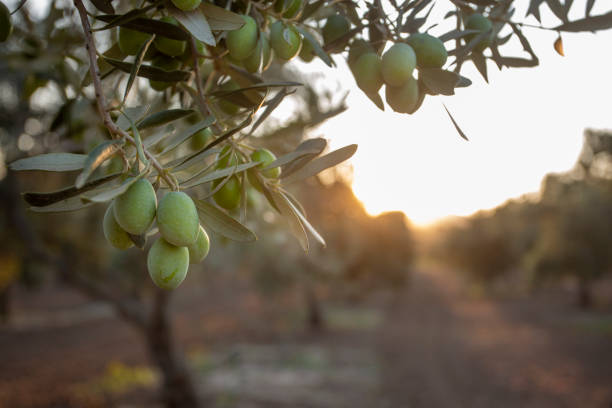
An Olijfboom is a beautiful addition to any garden and is known for its Mediterranean appearance and durability. Garden plants like this bring life to the green environment, but to keep an olive tree healthy and beautiful, regular pruning is essential. In this blog, we discuss everything about pruning an olive tree, including the right time and the best techniques. With the right care and attention, plants such as the olive tree can remain healthy and brighten up your garden for years to come.

The right time to prune an olive tree is crucial for the growth, health, and appearance of the tree. In the Netherlands, ideally, you prune an olive tree in the spring, around March or April, when the risk of frost is minimal and the tree is entering its growth phase. This ensures that the tree has sufficient time to recover and develop new shoots before the warm summer months arrive. Well-timed pruning not only promotes compact and balanced growth but also helps keep the olive tree strong and vital. In addition to the major pruning in the spring, light pruning in the summer, usually in June or July, can be beneficial. This is primarily intended to maintain the shape of the tree and remove dead, damaged, or weak branches. This keeps the olive tree looking well-groomed and ensures the interior of the crown receives sufficient light and air circulation, which helps prevent mold formation and diseases. It is important to avoid pruning in late autumn or winter. During this cold period, the olive tree recovers more slowly and is more susceptible to frost damage. By pruning at the right time, you ensure that your olive tree remains strong and healthy, so that you can enjoy a beautiful, Mediterranean eye-catcher in your garden for years to come.

Correct pruning of an olive tree is essential for promoting healthy growth, maintaining a beautiful shape, and strengthening the structure of the tree. Proper pruning helps the olive tree use its energy more efficiently, resulting in a more robust and productive tree. Follow these detailed steps for effective pruning:
Use the right tools – Ensure you use sharp pruning shears or secateurs. The tools must be clean to reduce the risk of infection and to make clean cuts that promote the tree's recovery. Damaged branches can weaken the tree, so sharp tools are crucial for proper pruning.
Start with dead and diseased branches – First, remove all dead, diseased, or damaged branches. This is the most important step, as it promotes the health of the tree. Dead branches often attract insects or can spread diseases, so it is important to remove them as soon as possible. Examine the branches closely and prune away anything that looks unhealthy.
Thin out the crown – The crown of the olive tree must remain light and airy to ensure good health. Remove excess branches, especially in the center of the tree. This ensures that sunlight and air can penetrate well into the heart of the tree. Preventing a dense, clogged crown helps prevent fungal growth and diseases. It also ensures better flowering and fruit set in the next season.
Limit vertical shoots – Water sprouts are branches that grow strongly vertically upwards and bear little to no fruit. These branches can drain a lot of energy from the tree, without offering any benefits in terms of fruit. Prune away these water shoots to concentrate the olive tree's energy on the productive branches, resulting in a healthier tree that has less difficulty developing new fruit.
Maintain a beautiful shape – Olive trees are not only practical but also aesthetically pleasing. Prune the tree so that it maintains a beautiful, balanced shape. This entails slightly shortening long branches and not making the tree too dense. Ensure there is enough space between the branches so that the tree has an open and airy structure. This not only aids growth but also makes the tree visually more attractive.
An olive tree can be pruned back quite severely, but it is important not to be too rigorous. Never prune more than a third of the tree per year. This is a safe guideline to ensure the tree does not weaken or experience too much stress. Pruning too drastically can slow the tree's growth and may even reduce fruit production for the following season. It is therefore important to strike a balance and always prune with care. Pruning too much can prolong the recovery process, making the tree more vulnerable to diseases and environmental stress.
By pruning carefully, your olive tree remains healthy, strong, and beautiful, allowing you to enjoy a magnificent tree with an optimal olive yield for years to come.

A standard olive tree requires a slightly different approach than an olive tree growing in the ground. With a standard olive tree, you focus primarily on maintaining a beautiful, spherical crown that emphasizes the typical appearance of this tree. It is important to regularly remove shoots growing on the trunk (root suckers), as these can weaken the tree and divert the olive tree's energy towards unwanted growth. By keeping the trunk free of these shoots, you preserve the strength in the tree's main structure. In addition, it is essential to properly maintain the tree's crown. Thin out the crown by removing excess or densely packed branches to allow sufficient light and air circulation within the tree. This prevents fungal growth and promotes healthy branch growth. Maintaining an open structure is important for the aesthetics and health of the tree, as it ensures balanced growth and prevents the crown from becoming too dense or tangled. By properly maintaining the shape, the standard olive tree remains compact and graceful. This not only makes the tree a beautiful eye-catcher in your garden but also helps to keep growth in balance, allowing the olive tree to retain its fruiting potential.
Some people choose to prune an olive tree drastically, similar to a pollard willow. This means that the tree is pruned back heavily, leaving only a few thick branches or a sturdy trunk. This technique can be particularly effective for an aging olive tree that needs a rejuvenation treatment. By pruning the tree in this way, the tree's energy is re-concentrated on developing new, healthy shoots and branches. However, it is important to understand that the tree may look bare in the first season. The olive tree will temporarily lose its leaves and slowly begin producing new shoots, which can take a while. Patience is therefore required, but once recovered, the tree can grow much fresher and healthier, with a new, strong structure. This form of pruning can also help bring the tree back into balance if it has become too large or uncontrolled. Please note that an olive tree pruned like a pollard willow requires more maintenance than a traditionally pruned tree. It is important to properly manage the new shoots and check the tree regularly to ensure that it maintains its desired shape.
Pruning a potted olive tree requires extra attention and care, as the tree's growth is more restricted due to limited root space. In a pot, the tree can absorb fewer nutrients and water, making it important to prune the tree regularly to promote healthy growth and maintain its shape. Prune the tree lightly, especially the longest branches, to prevent it from becoming too large for the pot and so that the tree retains a beautiful, compact appearance.
Additionally, it is essential to thin out the crown regularly. This not only helps keep the tree balanced but also improves air circulation within the branches. Good air circulation prevents mold formation and other diseases that can develop in a dense and damp environment. By removing excess or overly close branches, the rest of the tree gets room to grow healthily. Because the roots in a pot have less room to expand, it is important not to prune the tree back too much. Pruning too rigorously can stress the tree and hinder recovery. It is therefore better to perform small, frequent pruning tasks rather than major pruning.

Young or small olive trees generally require less pruning than older trees, but it is still important to create a good basic shape from a young age. Start by removing unwanted shoots and branches that hinder the growth of the main structure. This helps the tree focus on developing a strong trunk and healthy branching, which is essential for the tree's future growth and stability. Ensure that the tree has a clear central leader (the main branch), which becomes the tallest and strongest branch. Remove side branches that grow too low or obstruct the central leader. This ensures the tree develops a balanced and strong structure, which is easier to maintain later on. Creating a good foundation also ensures that the olive tree is easier to keep in shape in the future and remains healthy.
As the tree gets older, pruning can become more intensive, but by pruning well in the early years, you lay a solid foundation for the tree's further growth.

A neglected olive tree can be restored to top shape brought about with a strategic and patient pruning. Begin by removing dead, diseased, or damaged branches. These branches can endanger the health of the tree and must be pruned away first. Next, it is important to remove excessive shoots or water sprouts that are growing uncontrollably. These branches take a lot of energy from the tree without contributing anything to fruit production, and can hinder the future growth of the olive tree. Instead of drastically pruning the tree back all at once, you can gradually reshape the neglected olive tree over several years. Prune away only a small portion of the tree each year so that the tree does not experience too much stress. Pruning too rigorously can weaken the olive tree and delay recovery. By working patiently and carefully, you give the tree time to adapt and develop new, healthy branches. Once the tree is in good condition again, you can proceed with regular maintenance pruning to keep your olive tree healthy and maintain its natural shape. Patience is therefore important when pruning a neglected olive tree, but with the right care, it can come back to life and restore its beauty.
After pruning, an olive tree needs some extra care to recover properly. Give the tree sufficient water, especially in warm weather, and consider light fertilization to stimulate growth. Avoid pruning immediately after heavy rainfall or frost to prevent infections. With proper aftercare, your olive tree will continue to grow healthy and beautifully. With these tips, you can prune your olive tree correctly and enjoy a healthy and beautiful tree in your garden! Read more: Olive Tree Care


