
5% off with code HELLO5
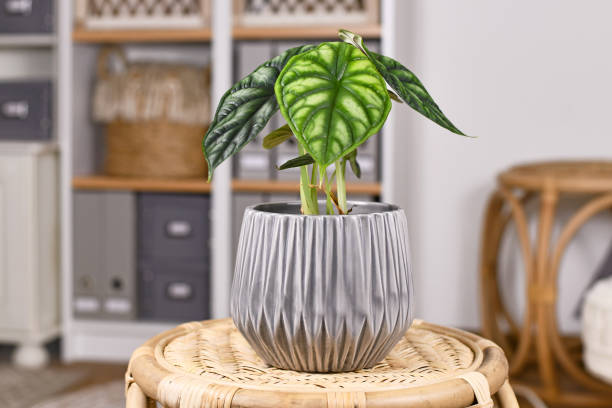

The best time to take elephant ear (Alocasia) cuttings is in the spring and summer, when the plant is in its active growth phase. The warmer temperatures between 18°C and 24°C promote root formation and help the cuttings adapt more quickly. Ensure that the cuttings receive sufficient light, but avoid direct sunlight to prevent scorching. It is also important to maintain high humidity, for example by regularly misting the cuttings or placing them under a transparent cover.
Use a well-draining potting soil, such as a mixture of potgrond and perlite, to prevent root rot. Taking cuttings in the spring or summer offers the best chance for successful rooting and a healthy new plant.
Yes, you can certainly propagate an elephant ear! This method is ideal for growing multiple new plants or rejuvenating your current plant. Elephant ear cuttings can be taken in various ways, such as via water or in potting soil. Taking cuttings is a great option if you want to share your plant with friends or family, or if your plant is becoming overgrown and needs new planting.
Root cuttings are a simple and effective way to propagate an Elephant Ear (Alocasia). By cutting off a healthy root from the mother plant and allowing it to root, you can grow new plants. This process requires care and attention, but with the right steps, you can successfully create new Elephant Ear plants. Below is a detailed step-by-step plan for propagating an Elephant Ear via root cuttings.
1. Remove the mother plant from the pot
Begin by carefully removing the Elephant Ear from its pot. Shake the soil loose from the roots so that you have a clear view of the roots. It is important to do this carefully so as not to damage the roots.
2. Find a healthy root
Choose a firm, healthy root that is free from rot or damage. Ideally, the root piece contains a growth point or a node, as this helps with root development. It is important that the root contains sufficient nutrients to support the new plant.
3. Cut off the root
Using a sharp and clean knife, cut off a piece of root of approximately 5-10 cm. Ensure you create a clean cut to prevent infections. Do not cut off too much root, as pieces of root that are too large will cost the plant more energy to recover.
4. Place the root cutting in water or potting soil
There are two ways to root the root cutting:
5. Ensure sufficient light and humidity
Place the root cutting in a spot with plenty of indirect light. Elephant ear plants love light, but direct sunlight can damage the young roots. Increase the humidity around the root cutting by, for example, spraying the surroundings or placing a transparent cover over the pot. This creates a mini-greenhouse, which promotes root formation.
6. Wait for the roots to grow. After about 3 to 6 weeks, the root cuttings should develop new roots. This is the time to transplant the root cuttings into a larger pot with fresh potting soil. It may take a while before you see visible roots, so be patient. Once you have checked the roots and they are strong enough, you can place the new plant in a larger pot.
With this simple method, you can grow multiple Elephant Ear plants, allowing you not only to beautify your own garden but also to give gifts or exchange plants. Taking cuttings is a great way to ensure healthy new plants without extra costs.
Taking cuttings in water is a commonly used method to propagate elephant ear plants. Here is how to do it:
Cut off a healthy shoot
Choose a strong shoot that has at least a few leaves and a clearly visible growing point. This ensures that the plant has enough energy to root properly.
Place the cutting in a glass of water
Place the cutting in a glass or transparent vase with water, making sure that only the bottom part of the cutting is in the water. It is important that the growing point and the leaves do not come into contact with the water to prevent rotting.
Place the glass in a bright spot
Place the glass in a spot with plenty of indirect light. Elephant ear plants love light, but direct sunlight can burn or dry out the young cutting, so avoid this.
Change the water weekly
To minimize the risk of rot, change the water weekly. This keeps the water quality high and prevents bacteria from developing, which can disrupt root growth.
After 2-4 weeks
After about 2-4 weeks, the roots will start to grow. When the roots are about 3-5 cm long, the cutting is ready to be transplanted into potting soil. Ensure that the roots are clearly visible and firm before moving the cutting.
With patience and care, you can successfully propagate a new Elephant Ear plant in this way and watch the roots slowly develop into a new, healthy plant.
There are various types of Elephant Ear plants that you can propagate. Below, we discuss some popular species:
The Alocasia Zebrina is a striking plant, known for its striped stems and large green leaves. This unique plant can easily be propagated via division or water cuttings. Both methods are simple, provided the cuttings have a healthy root structure. With water cuttings, you cut off a piece of the plant, preferably with roots, and place it in water. Change the water weekly to prevent rot. With division, you carefully remove the plant from the pot and separate the root tubers, ensuring each part has sufficient roots to grow well. Both methods can be effective if you are patient and take good care of the cuttings.
The Alocasia Polly, also known as the African Mask Plant, is loved for its striking, glossy leaves with a deep green color and white veins. This plant can also be easily propagated by division or water cuttings. Ensure that the cuttings have a healthy root structure before planting them, so that they can recover and grow well.
The Alocasia Macrorrhizos, often referred to as the giant elephant ear, is known for its large leaves and robust appearance. This species can also be successfully propagated via division or water cuttings. Just like with other Alocasia species, it is important to ensure that the cuttings have a healthy root structure before placing them in potting soil, to guarantee the best chance of growth.
Each species has its own characteristics, but the general propagation methods are similar.

After taking cuttings, proper care is crucial for your new elephant ear to grow successfully. Here are some important care tips:
Light:
Give the cutting sufficient indirect light. Direct sunlight can burn the leaves.
Water:
Ensure the soil remains moist, but prevent the roots from standing in water to prevent root rot.
Humidity:
Elephant ear plants love high humidity. Consider spraying water or using a humidifier.
Temperature:
Keep the temperature between 18°C and 24°C for optimal growth.
Cutting food:
After a few weeks, you can give a light amount of houseplant food to support growth.
Read more: Alocasia Care

Propagating Elephant Ear (Alocasia) is a fun and simple way to expand your houseplant collection. Whether you choose to propagate in water or directly in potting soil, with the right care your new cuttings will quickly grow into healthy, strong plants. Follow the tips in this blog and create your own green oasis with beautiful elephant ear plants!


