
5% off with code HELLO5
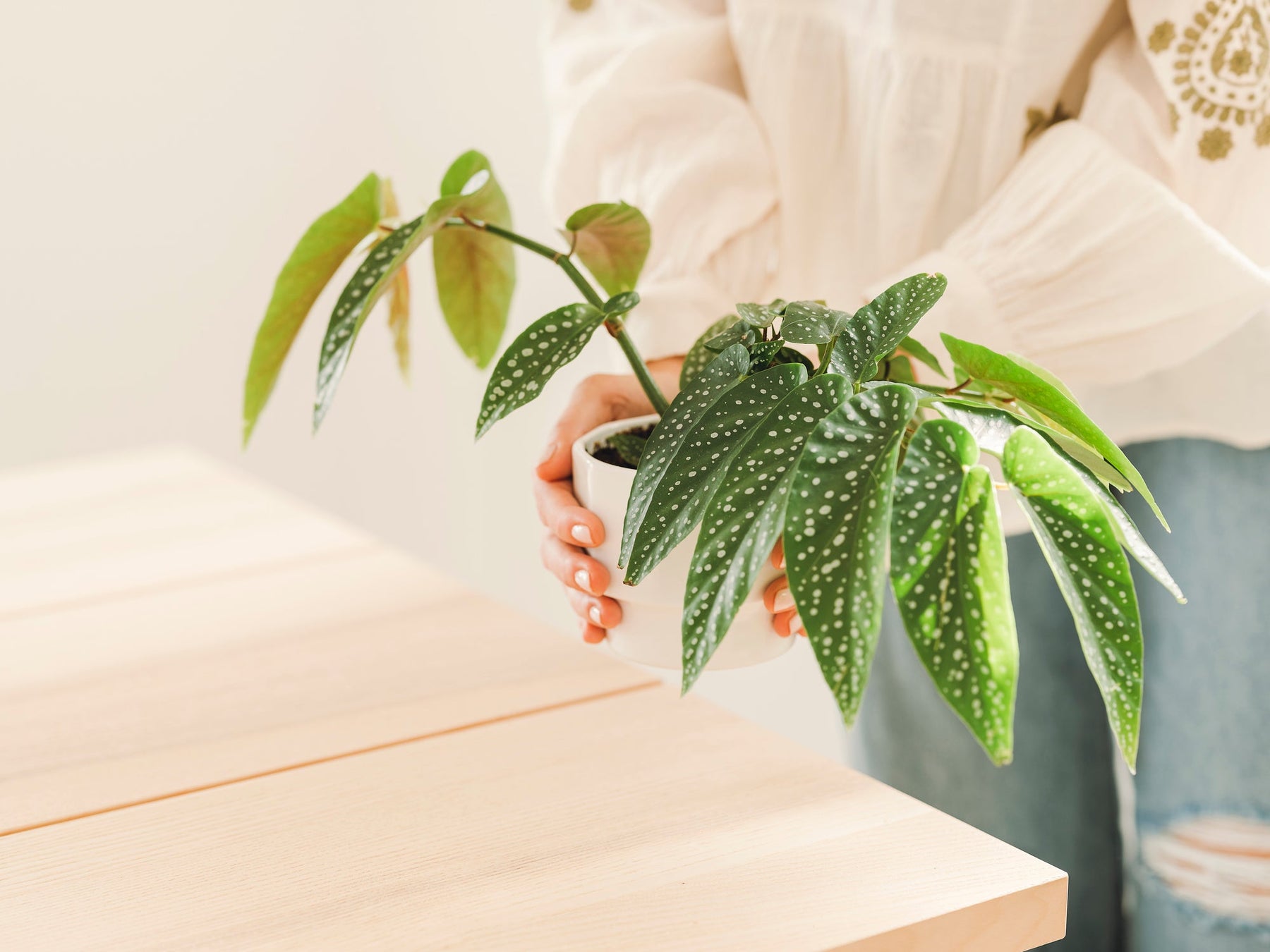
Begonias are beloved houseplants because of their colorful flowers and decorative leaves. One of the nicest ways to expand your collection or to give a friend a piece of your green paradise is by propagating begonias. Taking cuttings is a simple method to multiply new plants, and with the right techniques, you can successfully grow your own begonias. In this guide, we cover everything you need to know about Begonia cuttings, including the most frequently asked questions.
1. Choose a Healthy Mother Plant:
5. Prepare the Potting Soil:
6. Plant the Begonia Cuttings:
7. Create a Humid Environment:
8. Place in a Warm, Bright Spot:
9. Maintenance and Check Regularly:
10. Transplanting Begonias: With these steps, you can easily propagate new Begonias and expand your green collection. By providing the right care and attention, you can enjoy the beauty of your Begonias in any room or garden.
It typically takes 4 to 6 weeks for Begonia cuttings to start rooting, depending on factors such as temperature, humidity, and care. For optimal root formation, a constant temperature of 20-24°C and high humidity are important. An airy, well-draining soil mix and a location in bright but not direct sunlight also promote faster root development. Patience and care are crucial, but with the right conditions, you will see healthy roots appear on your cuttings within a few weeks.
Yes, you can successfully root Begonia cuttings in water. This method is an effective way to stimulate root growth and offers good visibility of the process. Here is how to do it:
Prepare the Cuttings: Cut healthy cuttings about 10-15 cm long from the Begonia, ensuring they have at least one or two leaves. Remove the lower leaves to prevent them from rotting in the water.
Place in Water: Place the cuttings in a glass or pot with clean water, ensuring that only the bottom half of the cutting is submerged. Make sure the leaves do not touch the water to prevent mold formation.
Create a Suitable Environment: Place the glass in a bright, warm spot without direct sunlight. Change the water regularly to keep it clean and oxygenated.
Wait for Roots: After 2 to 4 weeks, the cuttings will begin to develop roots. As soon as the roots are about 2-3 cm long, the cuttings can be transplanted into soil.
Rooting Begonia cuttings in water is a visually appealing and simple method to propagate new plants, and it can also help to closely monitor root formation.
The best time to take Begonia cuttings is in the spring or early summer. During these periods, the plant is in its active growth phase, which increases the chance of successful root formation. Warming temperatures and longer daylight hours promote the growth of new roots and leaves, which is essential for the recovery and development of the cuttings. Taking cuttings during these seasons ensures that the young begonias have sufficient time to root and establish themselves before the cooler autumn and winter months arrive. Although taking cuttings is also possible outside these periods, growth may be slower due to lower light intensity and cooler temperatures.
After planting the Begonia cuttings, it is important to keep the soil evenly moist and protect the cuttings from direct sunlight. Ensure sufficient air circulation by removing the cover occasionally. As soon as the cuttings have developed roots, you can remove the cover and care for the young plants as you would with mature Begonias.
Yes, you can take cuttings from flowering Begonias, but it is often better to take cuttings from non-flowering branches. Flowering branches may have less energy to form roots, which reduces the chance of success.
With this blog, you can get started with propagating Begonias with confidence. Whether you want to expand your own collection or give a friend a beautiful plant, the technique of propagation offers a simple and effective way to grow new Begonias. Have fun propagating your Begonias and creating a lush green space!


