
5% off with code HELLO5
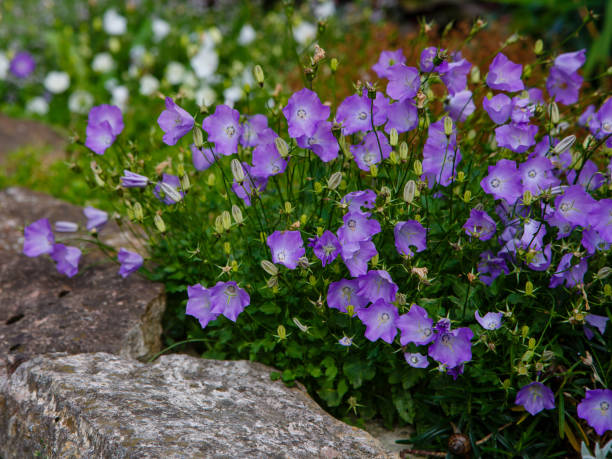
The Campanula, also known as the bellflower, is a charming garden plant that brightens up any garden or balcony with its playful, bell-shaped flowers. This versatile plant blooms profusely in soft shades of blue, white, or purple and comes in various forms: from ground covers to upright varieties.
To keep your Campanula vital and encourage long-lasting blooms, it is important to prune it at the right time and in the right way. In this blog, you will learn exactly when and how to prune Campanula and what you can do afterwards to care for it optimally. alt="">
Although the Campanula is not an extremely demanding plant, it benefits enormously from regular pruning. Especially when you want it to bloom longer and more compactly, or if you want to keep it within bounds, pruning is a smart and simple way to achieve this.
There are several benefits to pruning a Campanula:
Stimulation of reblooming: By removing spent flowers in a timely manner, the plant will put energy into creating new flower buds instead of seed formation.
Compact growth: Campanulas can spread considerably. By pruning the plant, you prevent it from growing too far or overgrowing other plants.
Plant rejuvenation: You can prune away old, woody stems to make room for fresh young green growth.
Healthy appearance: By removing dead or diseased parts, you prevent diseases from spreading.
The answer to the question of whether you should prune a Campanula is therefore: yes, definitely do it! Regular pruning keeps your bellflower healthy, vital, and attractive for a long time.

The Campanula has different growth phases, and pruning is beneficial during several of those phases. Below you will find an overview of the best pruning times and why they are important.
Spring is the perfect time to give your Campanula a major overhaul. During this period, you can cut the plant back heavily, especially if it has been left standing over the winter and has formed old, withered stems. This pruning moment focuses primarily on:
Removing dead or frozen parts
Pruning back woody or uncontrolled growth
Stimulating a fresh start to the growing season
Use sharp pruning shears or garden shears and work precisely. The plant will quickly sprout again with fresh foliage and later flowers.
During the flowering period, it is best to apply a form of light pruning. This involves regularly cutting away spent flowers to stimulate new flower formation. Campanulas often bloom in waves; by pruning after the first flowering period, you can induce a second bloom.
Remove spent flowers with the flower stalk down to the base
Optionally trim back long shoots slightly to maintain shape
At the end of the season, you can choose to cut the plant back for the winter. This is especially useful if you want a neat garden, or if the plant has become very large or untidy. Autumn pruning is not strictly necessary, as some garden enthusiasts prefer to leave the withered parts standing as natural winter protection.
Please note: do not prune too radically in the autumn, because the plant then has less energy to recover. Leave a few centimeters of stem if necessary.

A good pruning requires care, timing, and the right garden tools. Whether you have a ground-covering species like Campanula portenschlagiana or an upright variety like Campanula persicifolia, the pruning technique is largely similar.
Use sharp and clean garden tools. Good pruning shears prevent ragged wounds and reduce the risk of disease. Always clean your tools beforehand, especially with diseased plants.
Start with dead and diseased parts. Cut these away at the base. Watch out for discolored stems or leaves with mold.
Prune to just above a leaf pair or growth node. This ensures that the plant branches out at that spot and becomes more compact.
Remove spent flowers immediately. This prevents seed formation and significantly extends the flowering period.
Water after pruning. Especially in warm weather, this helps the plant recover quickly.
Optionally leave some flowers for seed formation. If you want the plant to self-seed or harvest seeds, allow a few flowers to develop into seed pods.
Extra Tip: Wear gloves if you have sensitive skin. Some Campanula species can be mildly irritating to the touch.
By following these steps annually, you will keep your Campanula vigorous, bushy, and profusely flowering. You prune not only for the shape, but also for the health of the plant.

After a good pruning, it is important to continue taking good care of your Campanula. Especially if you have pruned back heavily in the spring or after flowering, the plant is temporarily more vulnerable and needs some extra attention.
Important points to consider:
Ensure sufficient water, but prevent waterlogged roots – Campanula likes moist but well-draining soil.
Add nutrients if you have pruned in the spring. Choose an organic fertilizer or liquid food for flowering plants.
Protect young shoots against slugs or direct sunlight if necessary, especially with new growth in the spring.
Providing careful aftercare is the best way to ensure your Campanula is in full bloom again quickly. For a complete overview of water requirements, fertilization, location, and more, also read our extensive blog: Campanula Care!


