
5% off with code HELLO5
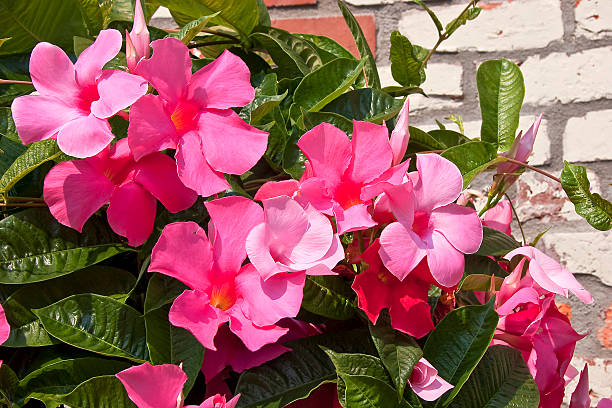
The Mandevilla, also known as Dipladenia, is a graceful climbing plant that makes summer shine with its exotic flowers and lush foliage. This tropical plant is loved for its long flowering period, easy care, and versatile use as a garden plant. Whether you have a balcony, terrace, or garden, the Mandevilla brings color and atmosphere wherever you are. Thanks to its climbing nature, it can grow beautifully upwards along a trellis, pergola, or fence, but it also does excellently as a hanging plant in a pot.
With proper care, the Mandevilla remains an eye-catcher in your outdoor space for years. In this blog, read everything about caring for, pruning, fertilizing, and overwintering these beautiful Mandevilla plants.

Where to Place Mandevilla in Winter?
A cool, bright spot is ideal. Think of a conservatory, an unheated guest room, a garage with daylight, or a bright cellar. The plant hardly needs any water during this period, as it is in a dormant state. Ensure that the potting soil does not dry out, but give it a small amount of water at most once every two to three weeks.
Note: Does the Mandevilla receive too little light during the winter months? Then it may (temporarily) lose its leaves. That is normal – it will sprout again in the spring.

Watering is essential for the Health and flowering of the Mandevilla. During the growing season, from spring to early autumn, this plant requires regular watering. Water it as soon as the top layer of the potting soil feels dry. In hot summers, this often means watering daily, especially if it is in a plant pot.
Tips for watering Mandevilla:
Preferably use rainwater or low-calcium water.
Let ensure there is no water standing at the bottom of the pot; Mandevilla does not like wet feet.
It is better to give small amounts more often than a lot of water at once.
In autumn and winter, when the plant is dormant, drastically reduce watering. Too much water during this period can cause root rot.

The location largely determines how well your Mandevilla grows and blooms. This sun worshipper loves a warm and sunny spot, but a little shelter is also important.
Ideal spot outdoors:
Sunny spot facing south or west
Out of the wind
Not directly in the full midday sun during heatwaves (light shade is welcome then)
Indoors in winter:
Ensure a bright spot, for example near a south-facing window. The more light, the better the plant survives the winter.
A spot with too little sunlight can cause the Mandevilla to bloom poorly or even drop leaves. Pay particular attention to this when placing it indoors or on a balcony with a lot of shade.

Choose a pot with a diameter of at least 30 cm.
Lay a layer of clay pellets or hydrokorrels on the bottom for good drainage.
Use airy potting soil, preferably enriched with compost or organic fertilizer.
Water immediately after planting.
Provide a trellis or support system so that the plant can work its way up.
Note: in open ground, the plant can stand on its own. until the first night frost. After that, you must dig it up or treat it as an annual.

One of the greatest assets of the Mandevilla is its exuberant flowering that lasts for months. The first flowers usually appear in late May and continue blooming until October, provided the conditions are favorable.
What determines the flowering time?
Sufficient sunlight
Water regularly
Fertilize regularly
Remove spent flowers
The flowers appear in clusters and are available in colors such as white, pink, red, purple, and yellow. Bees, butterflies, and other insects also love it, a bonus for the biodiversity in your garden!

Although the Mandevilla is an attractive plant, it is important to know that it is toxic to dogs and cats, among others. In particular, the white milky sap released when pruning or breaking branches contains substances that can cause skin irritation or poisoning.
Caution with pets and children:
Dogs and cats must not gnaw on or eat the plant.
Ingestion of leaves or flowers can lead to vomiting, diarrhea or lethargy.
Caution is also advised for small children.
Wash your hands after contact with the milky sap and wear gloves when pruning if necessary.

Pruning is not complicated, but it is important for compact growth and abundant flowering in the following season. Preferably prune in early spring, around March, before the plant sprouts.
How to Prune Mandevilla in 4 Steps:
Use sharp, clean pruning shears.
Cut long shoots back to about 20–30 cm above the ground.
Remove dead, diseased, or tangled branches.
Leave a few strong main shoots as a basis for the new growing season.
Would you like more detailed advice? Then read our separate blog: Mandevilla Pruning
Growing a new Mandevilla yourself is easier than you think. It is best to take cuttings in the spring or early summer, when the plant is actively growing.
How to propagate a Mandevilla:
Cut off a young, healthy shoot of 10-15 cm.
Remove the lower leaves and cut off any large leaves halfway.
Place the cutting in a small pot with cutting soil or coconut coir.
Cover the pot with a plastic bag or mini greenhouse to retain moisture.
Place in a warm, bright spot (around 20-25°C).
After 3 to 5 weeks, the first roots will appear and can the cutting be transplanted into a larger pot.

Regular fertilization is essential for abundant flowering and healthy growth. Start this as soon as the plant begins to grow actively, usually from April or May.
Fertilization tips:
Use a liquid fertilizer for flowering plants.
Fertilize weekly or every two weeks during the growing season.
Stop fertilizing from September – then the plant goes dormant.
A nutrient deficiency leads to reduced flowering and weak growth, so ensure a good balance.

Yellow leaves are a common problem and can have various causes:
Too much water: roots can start to rot.
Too little water: leaves lose their vitality.
Nutrient deficiency: especially with prolonged use of potting soil without fertilizer.
Too little light: the plant cannot then produce enough energy.
Check the location, the soil moisture, and add plant food if necessary.
If you If your Mandevilla loses leaves, you don't need to be immediately alarmed. This is normal behavior in autumn or winter. The plant then enters a dormant state and partially withdraws.
Other possible causes:
Sudden temperature change
Too little light
Dry indoor air
Water shortage or actually too much water
Give the plant some time. In spring, it usually sprouts fresh new shoots and leaves again.

The Mandevilla is a magnificent climbing plant that, with the right care, brings color and life to your garden or balcony for months. From watering to pruning, and from fertilizing to overwintering, this beautiful plant is worth it all. Pay close attention to its needs, and it will richly reward you with beautiful flowers.


